
24/7 Customer Support

Free returns

Same-day & Next-day Delivery

Quality Guaranteed

Unlock Your Welcome Offers: FREE Delivery | Up to 80% OFF | Free 30-day JoyPlus trial
Download the APP
Choosing period care and personal hygiene products online can seem straightforward until similar-looking packs differ in absorbency, materials, sheet count and disposal instructions. A low-priced multipack may not suit your flow, while a “natural” or “biodegradable” label may offer less information than expected.
This guide from the Joybuy Product Recommendation Officer focuses on practical buying checks for UK households, including menstrual care, disposable face towels, personal cleansing wipes and household cleaning wipes.
Regular tampons, super plus tampons and sanitary pads are designed for different flow levels. Using a higher absorbency than necessary is not a sensible way to extend wear time. Tampon guidance generally advises choosing the lowest absorbency suitable for your flow and changing the product according to the pack instructions.
For heavy-flow users, a higher-absorbency tampon may be useful at particular times, but it should not automatically replace regular tampons throughout the cycle. Pads can also provide useful backup, particularly overnight or when flow varies.
Terms such as organic cotton, biodegradable, compostable and eco-friendly hygiene products describe different attributes. Check the full materials list, including the applicator, wrapper and outer packaging.
For example, a tampon may use organic cotton but still include a plastic applicator. Conversely, some products use cardboard applicators or compostable wrappers but may contain different absorbent-core materials. Disposal facilities also vary, so “compostable” does not necessarily mean suitable for your household food-waste collection.
Facial cleansing wipes, toilet wet wipes, antibacterial wipes and household cleaning wipes are not interchangeable. A wipe intended for a kitchen surface may contain fragrance or cleaning agents that are unsuitable for facial or intimate skin. A facial wipe may not have the cleaning formulation needed for grease or hard-surface dirt.
Look for the stated application, fragrance information, alcohol content, reseal design and disposal instructions before buying a large pack.
For menstrual products, compare the stated absorbency category with your usual flow. Regular tampons may suit light to medium days, while super plus tampons are designed for heavier-flow periods. Applicator tampons can be convenient for beginners or users who prefer guided insertion; non-applicator designs are usually more compact for handbags and travel.
The Natracare Super Organic Cotton Tampons With Applicator pack lists super absorbency at 9–12g, while the Tampax Compak Pearl Regular pack is described for regular absorbency needs. Always follow the enclosed leaflet and change tampons within the stated time, commonly every 4–8 hours, or sooner if saturated.
People with sensitive skin may prefer products that are fragrance-free, alcohol-free and dye-free, although individual tolerance varies. Organic cotton tampons can be relevant for shoppers wishing to avoid rayon or certain synthetic components. Check whether the product is certified, rather than relying only on front-of-pack wording.
For facial use, compare sheet texture, size and whether the wipe is intended for wet and dry use. Plant-based or cellulose fibres may be useful to shoppers seeking disposable face towels, but they should still be disposed of as directed.
A 10- or 16-count menstrual pack may be practical for trying a new format, while larger wipe bundles can reduce how often you reorder. However, oversized packs are only economical if the product suits your routine and remains properly sealed.
Resealable caps or adhesive closures help retain moisture. Store wipes and period products in a cool, dry place, away from direct sunlight and excess humidity. Do not use products if packaging is damaged, the wipe has an unusual odour or the material appears discoloured.
The following products match distinct shopping priorities rather than placing them in a universal ranking.
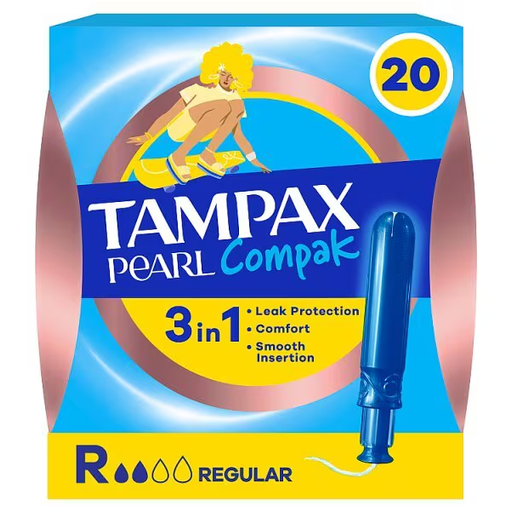
Why This Fits Their Persona: A 20-pack gives newcomers a practical quantity for regular-flow days, whether commuting in the UK or keeping supplies at home.
The pack clearly identifies regular absorbency and includes a compact applicator, helping avoid choosing a higher absorbency without a stated need.
Compact plastic applicator, rounded tip, fragrance-free and dye-free materials, with 20 tampons per pack.
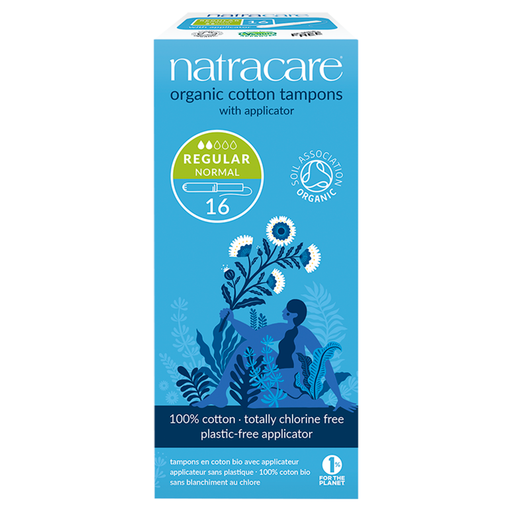
Why This Fits Their Persona: Suitable for shoppers prioritising organic cotton and a plastic-free applicator for regular-flow days.
Its listed materials specify 100% organic cotton and a compostable cardboard applicator, rather than using sustainability wording without material details.
Certified organic cotton, no rayon, plastics, dyes or perfume listed, and widthways expansion.
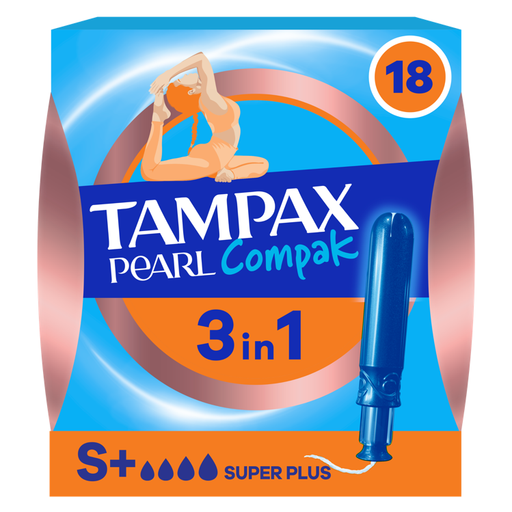
Why This Fits Their Persona: The super plus format is intended for heavier-flow days, with a compact applicator suited to work, travel or keeping in an emergency bag.
It is labelled for heavy-flow use, so shoppers can compare the format with their actual needs rather than relying on vague “extra protection” wording.
MotionFit design, LeakGuard braid and a stated change interval of 4–6 hours for this absorbency category.
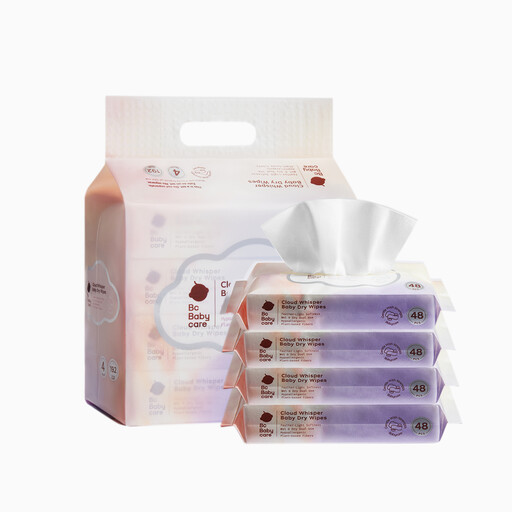
Why This Fits Their Persona: The compact four-pack format suits holidays, gym bags and households wanting wet and dry face wipes without carrying a reusable towel.
The product specifies alcohol-, paraben- and fragrance-free materials and clearly states that used sheets must not be flushed.
100% viscose fibres, glycerine, 200 × 200mm sheets and dual-use application with water.
We have compiled a complete, real-time list of products that fully satisfy these strict selection criteria and UK safety regulations.
Follow the instructions supplied with the specific product. Many tampons state a replacement interval of 4–8 hours, while some higher-absorbency products specify 4–6 hours. Use the lowest absorbency suitable for your flow and read the information about Toxic Shock Syndrome included in the pack.
Do not assume that “flushable” means suitable for every toilet or drainage system. Check the product label and local water-company advice. Facial wipes, disposable face towels, antibacterial wipes and household cleaning wipes should not be flushed. Bin disposal is the safer routine for most wipe types.
They can reduce the cost per sheet or item, but only when the product matches your usage and can be stored correctly. Compare price per tampon, pad or wipe, pack size, delivery charges and expected waste. For occasional travel, individually packed toilet wet wipes or smaller facial towel packs may be more practical than a bulk box.