
24/7 Customer Support

Free returns

Same-day & Next-day Delivery

Quality Guaranteed

Unlock Your Welcome Offers: FREE Delivery | Up to 80% OFF | Free 30-day JoyPlus trial
Download the APP
Choosing a permanent hair dye for home use is not simply a matter of picking a shade from the front of the box. The result depends on your existing colour, percentage of grey, hair condition and the formula inside the kit. A poor match can leave you with unwanted warmth, uneven coverage or a shade that is difficult to change.
This guide explains the key differences between permanent and semi-permanent colour, highlights common shopping traps and matches selected products to practical UK shopper profiles.
Permanent hair colour uses an activator, usually containing hydrogen peroxide, to alter the hair’s natural pigment. The visible colour may fade over time, but the treated hair does not simply return to its original shade.
A semi-permanent hair dye, by contrast, deposits colour without the same level of lasting change. For example, L'Oréal Casting Crème Gloss shades are designed to fade gradually over up to a stated number of washes, making them more suitable for colour refreshes or cautious experimentation.
Always check whether the box says permanent, semi-permanent or glossing colour before ordering.
A light blonde or platinum image does not guarantee the same result on every starting colour. Dark brown, black or previously coloured hair may not lift evenly with a standard blonde kit. Some lightening products also have specific restrictions regarding dark hair, bleached hair or previously applied colour.
For a significant colour change, read the “before and after” shade chart and the exclusions on the packaging. Do not rely on the product image alone.
An ammonia-free hair dye may be preferable if you wish to avoid ammonia in the formula, but it can still contain other colourants and ingredients capable of causing an allergic reaction. L'Oréal Casting Crème Gloss 515 Iced Chocolate, for instance, is an ammonia-free semi-permanent kit, yet its instructions still require an allergy alert test.
“Gentle”, “conditioning” and “glossy hair colour” describe product positioning or the expected cosmetic finish. They do not remove the need to follow safety instructions.
Choose according to your maintenance routine:
If grey coverage is your priority, look for a product that specifically states coverage on the packaging. Some kits are designed for first greys, while others state coverage for resistant or extensive grey hair.
Root-first application is generally important for regrowth. Several kits include an applicator bottle, gloves and a post-colour conditioner, reducing the need to buy extra equipment. Check whether the kit is intended for dry, unwashed hair or damp, towel-dried hair, as instructions differ between products.
Compare the ingredient list rather than relying only on front-of-pack claims. Some kits contain ammonia, while others use alternatives such as ethanolamine. A conditioner, treatment or mask can improve the hair’s feel and shine after colouring, but it does not make the colour risk-free.
Look for practical features such as:
Always perform the required allergy alert test 48 hours before use, even if you have used the same product previously. Follow the leaflet, wear gloves, avoid the eyes and do not use hair colourants on irritated or damaged scalps. Products containing permanent colourants are not intended for people under 16. Do not use hair dye on eyelashes or eyebrows.
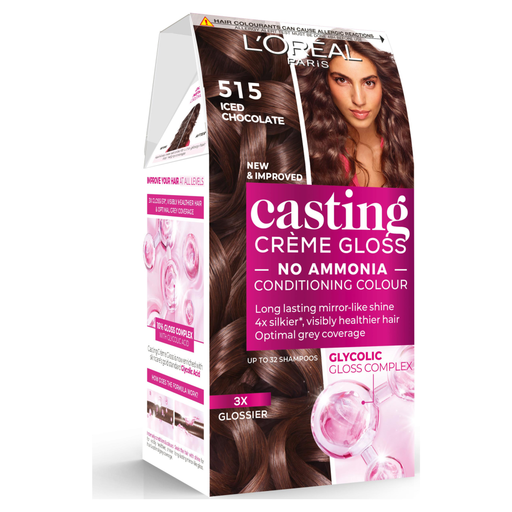
Why This Fits Their Persona: A practical option for shoppers who want to refresh brunette colour without committing immediately to a permanent change. The kit is designed for a 20-minute application and includes gloves and a glossing mask.
Its semi-permanent classification is clear, helping avoid accidentally buying permanent colour when a gradual fade is preferred. It is described as covering first greys rather than extensive grey hair.
Ammonia-free formula; stated colour life of up to 32 washes; includes a conditioning glossing mask.
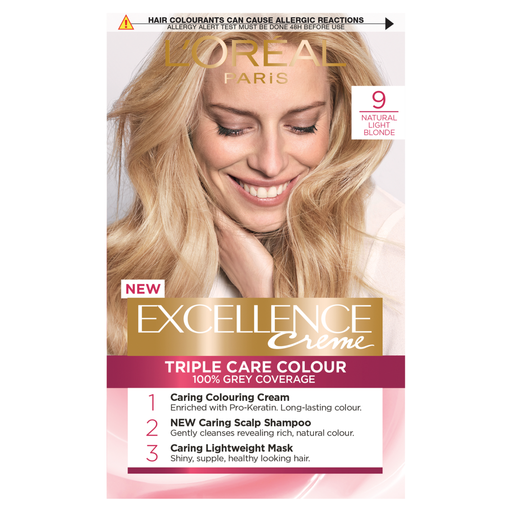
Why This Fits Their Persona: Suits shoppers looking for a complete at-home hair colour kit with separate cleansing and conditioning stages after colouring.
The instructions provide different application timings for first-time users, lightened hair and light blonde bases, helping reduce one-size-fits-all application.
Includes Pro-Keratin colouring cream, post-colour shampoo and nourishing mask; designed to provide up to 100% grey coverage.
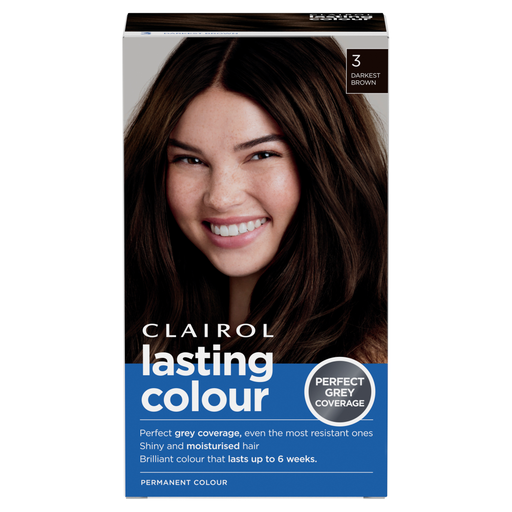
Why This Fits Their Persona: A dark brown option for regular home colour users who prioritise root coverage and a straightforward three-step routine.
The product information specifically identifies grey coverage and a six-week colour result, making the expected maintenance pattern easier to plan.
Permanent dark brown shade; includes developer, gloves and ColourLast Conditioner; stated coverage for resistant grey hair.
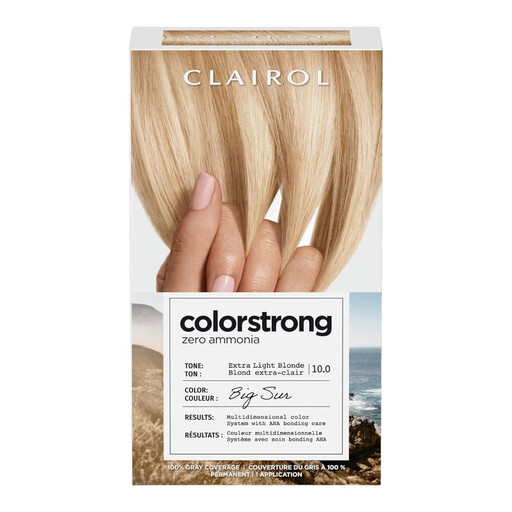
Why This Fits Their Persona: Intended for shoppers seeking a light blonde permanent shade with a multi-step colour and conditioning system.
The kit separates a bonding primer, permanent colour and bonding treatment, so the contents and application stages are clearly defined rather than presented as a single vague “care” claim.
Zero-ammonia formula; product information states 100% grey coverage; includes AHA in the primer, colour and treatment steps.
We have compiled a complete, real-time list of products that fully satisfy these strict selection criteria and UK safety regulations.
Before starting, place an old towel over your shoulders and protect nearby surfaces from staining. Prepare clips, a timer and a non-metallic bowl only if the instructions require one. Keep the kit, leaflet and gloves together.
Do not save leftover mixed colour. Once colourant and developer are combined, use the mixture immediately and dispose of unused product according to the packaging guidance. For long hair or dense hair, check whether one pack is sufficient before purchase.
If your hair has been bleached, permed, relaxed, treated with henna or coloured with a metallic dye, check the product exclusions carefully. A strand test can also help reveal how your hair may take the shade, but it does not replace the mandatory allergy alert test.
It can be, but coverage varies by shade, formula and the amount of grey. Choose a kit that clearly states its grey-coverage capability. Apply to the roots first if the instructions recommend it, and follow the stated extended timing for stubborn greys.
The colour remains in the treated hair, but brightness and tone can fade with washing, heat and sun exposure. Product descriptions commonly give a guide such as six to eight weeks or a number of washes. New root growth will still require maintenance.
The upfront cost of a home hair colour kit is usually lower than a salon appointment, but the total cost depends on hair length, how often you recolour and whether you need extra products. Factor in gloves, colour-safe shampoo and the possibility of needing more than one pack for longer hair.