Choose a personal blender if you are happy to make date smoothies in small rounds: compare cup capacity and the manufacturer’s guidance for your ingredients rather than relying on wattage alone. If you regularly serve several friends at once, a jug blender with sufficient working capacity may mean fewer batches, though it takes up more storage space. Remove date stones before blending and check how thoroughly the cups, blades and seals can be cleaned when preparing drinks for guests with allergies.
Who this choice suits
Date-and-frozen-fruit smoothie makers
If you combine sticky dates with frozen fruit or other dense ingredients, check the blender’s stated ingredient uses and instructions as well as its motor rating. Sage Appliances describes higher-powered blenders as an option for dense foods, but that does not establish how a particular date smoothie will turn out.
Occasional hosts making small rounds
If you usually make one drink but prepare extras when friends visit, cup capacity and the number of supplied cups affect how many rounds you will need. NutriBullet describes personal blenders as intended for single or smaller portions; a jug is another option when shared batches become routine.
Smoothie makers with compact kitchens
If worktop space and washing-up matter most, a direct-to-cup model may fit your routine. Check which parts of the exact model can go in the dishwasher, while allowing for repeat batches when several people want a drink.
What matters when choosing
Decide how many drinks you need to make together, then check the chosen blender’s guidance for the ingredients in your recipe and its cleaning instructions.
| Concern |
What to check |
Who this matters to |
| Dense ingredients |
Check the exact model’s stated uses for frozen fruit and other tough ingredients, alongside its motor rating and instructions. Remove date stones. |
I want to blend dates with frozen fruit without choosing on wattage alone; around 50% of consumers put handling these ingredients first. |
| Drinks for guests |
Compare usable cup capacity and supplied cups with the number of drinks you plan to make. Consider a jug blender for regular shared batches. |
When several friends want a smoothie together, I would rather avoid making one drink after another; roughly 33% of consumers prioritise serving capacity. |
| Space and clean-up |
Check the appliance footprint and the washing instructions for cups, lids, blades and seals. |
In a small kitchen, I need a blender I can put away and clean thoroughly after guests leave; about 17% of consumers make convenience their primary concern. |
Mistakes to avoid
-
Assuming extra cups replace a shared-batch jug
Personal blenders are designed around smaller portions. Extra cups may help you prepare drinks in sequence, but they do not increase the amount blended in one batch.
Compare usable capacity with the number of guests you normally serve. If several drinks need to be ready together, include a jug blender in your comparison.
-
Choosing by wattage alone
A motor rating does not establish the finished texture of a date smoothie or show whether the exact model is intended for every ingredient in your recipe.
Check the manufacturer’s ingredient guidance, cup and blade system, capacity and operating instructions alongside the rated power.
-
Overlooking residue before serving a guest
Milk, nuts or nut butter left on food-contact parts can matter to someone with an allergy. Food Standards Agency guidance identifies allergen cross-contact as a food-handling risk.
Ask guests about allergies before choosing ingredients, and thoroughly clean cups, lids, blade assemblies, seals and preparation surfaces before making an allergy-sensitive drink.
Brands to consider for these blender types
Ninja
Ninja’s CB100UK is a 1,100 W Foodi Power Nutri Blender 2-in-1, according to Ninja Kitchen UK. It is a personal-blender option to examine if your recipe includes denser ingredients.
- The CB100UK combines a stated 1,100 W rating with a 2-in-1 format.
- Check the supplied cup capacities and the instructions for your ingredients on the exact model; its rating does not establish date-smoothie texture.
NutriBullet
NutriBullet offers personal-blender formats with different motor ratings and cup sizes, making the capacity of the particular model important when friends visit.
- The 600 Series has 680 ml and 511 ml cups; the Ultra is described with 700 ml and 900 ml cups.
- A larger personal cup is still a small-batch format. Check the exact variant’s supplied parts and availability before ordering.
Magimix
Magimix provides a jug-blender alternative for hosts who regularly prepare shared batches rather than individual cups.
- Magimix lists a 1.2 L working capacity for Blender Power 3 and describes it as suitable for up to two or three people.
- A jug needs more storage space than a compact personal blender. Check compatibility and package contents separately if you want Magimix BlendCups.
Joybuy product choices
These choices include personal-cup blenders for making drinks in rounds and jug formats to consider when you often serve several friends together. Compare the exact cups and operating instructions with your date-smoothie recipe before choosing.
 No image available
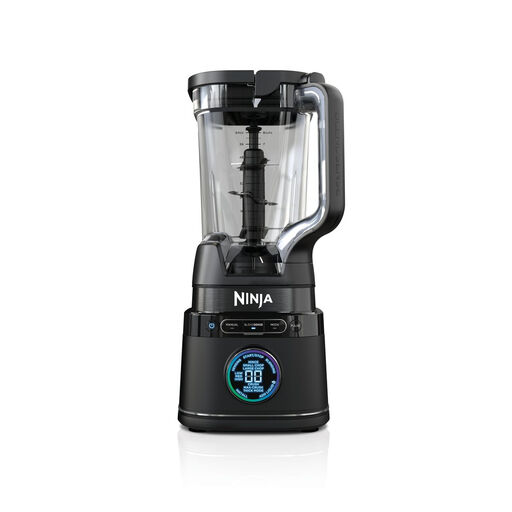
Ninja Detect Blender Pro & Single Serve TB301UK, black
Consider this jug-and-single-serve format if you sometimes make individual smoothies and sometimes prepare drinks for visitors together.
Check the capacity of each supplied cup and the jug, as well as the exact package contents, against the portions you intend to serve. Remove date stones and follow the model’s ingredient instructions.
View on Joybuy
 No image available
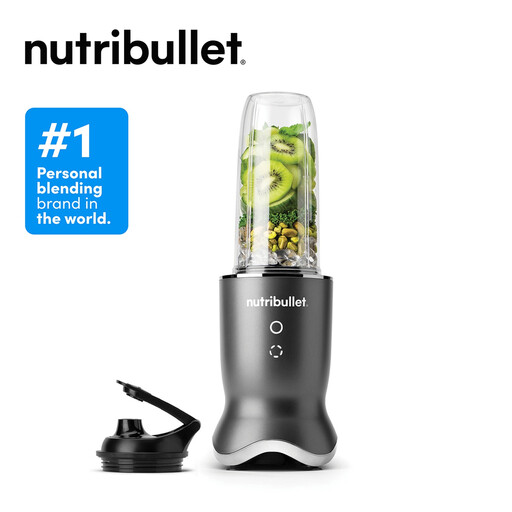
Nutribullet Ultra personal blender, graphite, 1200 W, 900 ml cup
The 900 ml personal cup is worth considering if you want room for a larger individual smoothie or fewer small rounds when friends visit.
The product title states a 1200 W rating and a 900 ml cup. It is not a shared-batch jug, so plan on further rounds for several guests and follow the model’s instructions for your ingredients.
View on Joybuy
 No image available
Nutribullet 900 Series Matte 10-Piece Kit, sand, 900 W, 900 ml
This personal-blender kit may suit a host preparing individual drinks in sequence rather than one shared jug.
The product name states 900 W and 900 ml. Confirm the exact kit contents before ordering, as its title gives conflicting piece counts, and check the model’s instructions for your chosen ingredients.
View on Joybuy
 No image available
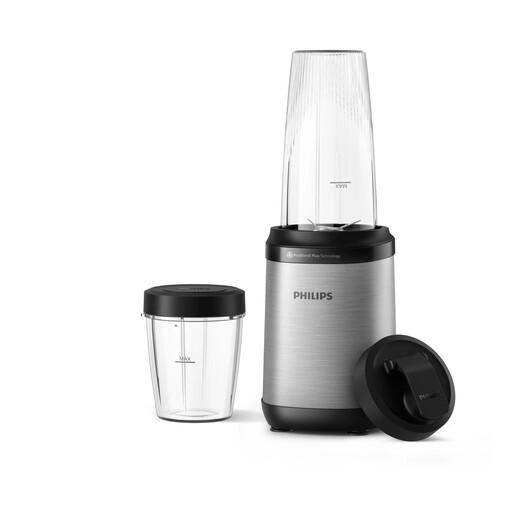
Philips 5000 Series HR2765/00 blender
Consider this tumbler-style option if you are content to make guest drinks in rounds.
Check the tumbler capacity and the instructions for your recipe. The listing describes a standard EU power cord and advises a suitable adapter for UK use, so confirm the supplied plug and appropriate setup before buying.
View on Joybuy
 No image available
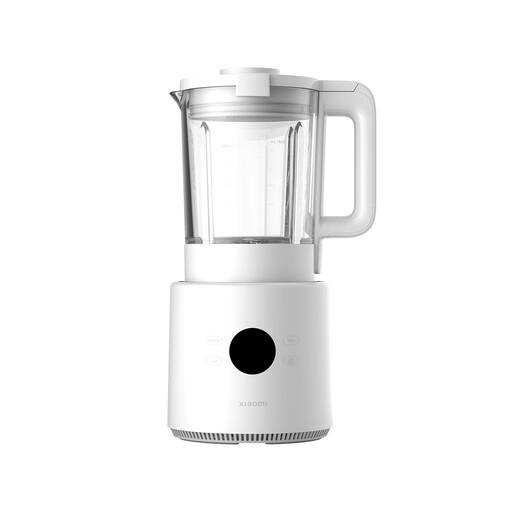
Xiaomi Blender Pro
This jug-blender alternative is relevant if making drinks for several visitors in a shared batch matters more than blending in a personal cup.
It is a jug format rather than a personal-cup model. Check its usable cold-drink capacity and the manufacturer’s instructions for dates and any tougher ingredients in your recipe.
View on Joybuy
Common questions
Should I remove date stones before blending?
Yes—pit the dates and check for fragments before putting them in the blender. Do not assume a personal-blender blade is intended to process hard stones; follow the instructions for the exact model.
Can one personal blender make smoothies for several friends?
Yes, if you are willing to make drinks in rounds and the cup holds an appropriate amount for each blend. For regular shared batches, compare a jug blender’s working capacity instead; Magimix describes its 1.2 L working-capacity Blender Power 3 as suitable for up to two or three people.
How should I prepare smoothies for friends with allergies?
Ask about allergies before choosing ingredients, then thoroughly clean the cup, lid, blade assembly, seals and preparation surfaces before making the drink. This is especially important if those parts have previously been used with milk, nuts or nut butter; Food Standards Agency guidance identifies allergen cross-contact as a food-handling risk.


