One-cup frozen-mocha makers
If you make one drink at a time, a blending cup with a drinking lid may save you from decanting it. Check the model’s ice guidance, maximum-fill line and cleaning instructions before choosing a cup size.


For a frozen mocha containing ice or frozen ingredients, choose an exact blender model whose maker states that it handles them; wattage alone does not establish that suitability. A mains-powered personal blender fits a regular one-cup break near a socket, while a cordless model makes sense when you need to blend elsewhere and can manage charging. Extra vessels or food-processing functions are worth considering only if you will use them beyond this drink.
If you make one drink at a time, a blending cup with a drinking lid may save you from decanting it. Check the model’s ice guidance, maximum-fill line and cleaning instructions before choosing a cup size.
If you want a dense, frappé-style mocha or also make smoothie bowls, look for a model designed for thick mixtures. A standard drink cup and a dedicated thick-mixture bowl serve different uses.
If you need to blend at a desk, outdoors or somewhere without a nearby socket, a cordless cup blender is relevant. Check its usable capacity and plan to keep it charged.
Decide first whether you need to blend away from a socket. Then check the exact model’s frozen-ingredient guidance, the space available below its fill line and how much washing-up its parts involve.
| Concern | What to check | Who this matters to |
|---|---|---|
| Ice and frozen ingredients | Look for ice-crushing or frozen-ingredient instructions for the exact model and variant, rather than judging by wattage. | If ice or frozen coffee cubes are central to my mocha, I want a model intended to process them. Around 40% of consumers put frozen-drink capability first. |
| One-cup use and cleaning | Compare the maximum-fill line, included drinking lid and cleaning instructions for each removable part. | For a short break, I want to drink from the blending cup and clean up without dealing with unnecessary attachments; around 30% of consumers prioritise that convenience. |
| Thick texture and other recipes | Check for a thick-mixture vessel or a relevant programme, and whether you would use the extra parts. | I prefer a dense frappé and may make bowls or other mixtures too. Roughly 20% of consumers put texture and broader use ahead of the other concerns. |
| Cordless use | Check cup capacity, charging arrangements and the maker’s frozen-ingredient guidance. | When my break happens away from a socket, I need to blend there and can plan around charging; about 10% of consumers place that freedom first. |
Motor wattage does not replace the exact model’s instructions for ice or frozen ingredients.
For a frozen mocha, check for an explicit ice-crushing, frozen-ingredient or relevant Crush-mode statement, then follow the maker’s preparation guidance.
A cordless cup adds charging to your routine and may leave less room for a drink than a larger mains-powered cup.
If socket-free blending is not important to you, compare mains-powered personal blenders on their cup, lid and frozen-drink instructions instead.
Cleaning instructions can differ for the cup, lid, blade assembly and motor base.
Follow the exact model’s instructions for each part and unplug a mains blender before cleaning it.
Reviews alone cannot establish the appliance’s identity, instructions or suitability for your delivery destination.
Check the seller and manufacturer details, appropriate product marking and supplied instructions. Electrical Safety First also advises checking for a standard UK three-pin plug with a fuse.
Ninja offers distinct options here: the cordless Blast BC151UK for blending away from a socket and the mains-powered CB100UK for drinks and thick mixtures.
The mains-powered Pro 900 is a compact blend-and-drink option for a frozen mocha made near a socket.
The MultiPro Go Blend FDP23.380GY is relevant when a personal-blender attachment would also serve food-preparation tasks.
The PerfectMix Essential BL771BG0 is a larger-jug alternative if a personal cup would be too limiting for household use.
These personal blenders cover one-cup frozen mochas made near a socket and a cordless option for breaks elsewhere. Compare each cup’s fill line and the maker’s ice-use instructions against your usual recipe.
 No image available
Consider this for a single frozen mocha made near a socket and carried in a drinking bottle.
The listed set has two Tritan to-go bottles. Check the maximum-fill line and the model’s ice-use instructions against your recipe.
 No image available
This mains-powered cup blender is an option for a frozen mocha made near a socket; its product name identifies it for crushing ice and frozen fruit.
The stated 900ml cup capacity is not a maximum-fill line. Check that line and the exact ice-use instructions before preparing a drink.
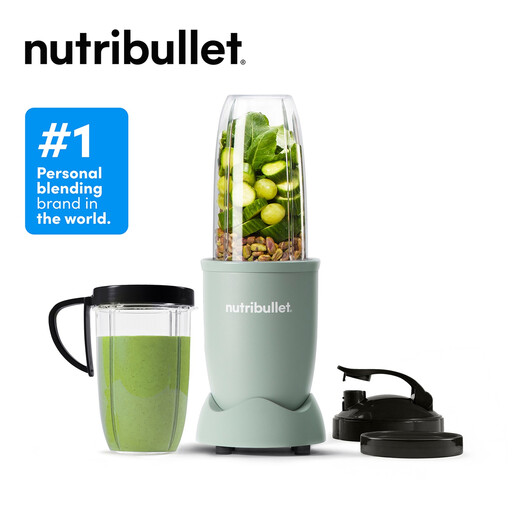 No image available
Its personal-cup format suits a frozen mocha made near a socket, and the product name identifies ice and frozen fruit among its intended ingredients.
Confirm the maximum-fill line, ice-use instructions and included pieces before choosing this kit; the listed piece counts conflict.
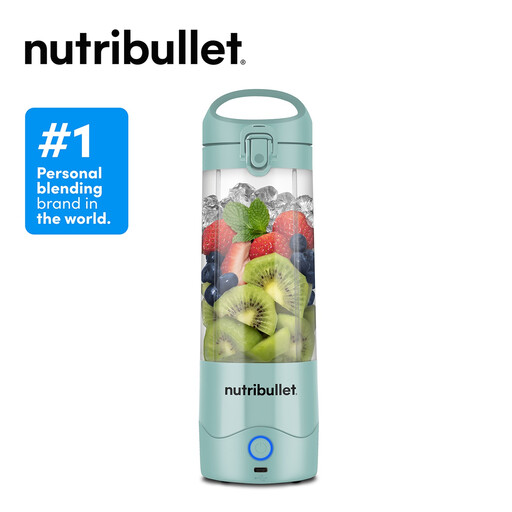 No image available
Choose a cordless cup format if you need to make your frozen mocha away from a socket and can keep the blender charged.
The product name lists a 475ml cup, to-go lid and USB-C charging cable. Check the maximum-fill line and exact ice-use instructions before blending.
No: choose an exact model whose maker or product listing explicitly identifies ice-crushing or frozen-ingredient use, and follow its instructions. A wattage figure by itself does not establish that ice is suitable.
Choose by the space available below the cup’s maximum-fill line, not its headline capacity alone. A cup of roughly 500ml to 700ml can be a starting point for one drink if your ingredients fit within that line; check the exact model before preparing your recipe.
Follow the maker’s cleaning instructions for the cup, lid and blade assembly separately, and unplug a mains blender before cleaning. Electrical Safety First advises checking which parts are dishwasher-safe rather than treating that description as applying to the whole appliance.
Check the seller and manufacturer details, supplied instructions, appropriate product marking and plug arrangement for your delivery destination. Electrical Safety First advises looking for a standard UK three-pin plug with a fuse; if marking details matter to your purchase, confirm those applicable to where the blender will be delivered.