Single-serve frozen-mocha regulars
If you usually make one drink, check the exact model’s ice guidance, usable cup capacity and lid before choosing extra batch capacity.


For an ice-heavy frozen mocha, start with a personal blender whose exact model is specified for ice, then choose a cup and cleaning routine that fit one serving. A mains-powered model may suit regular thick mixtures, while a cordless cup prioritises portability; neither wattage nor an ice-crushing claim guarantees a smooth texture. Follow the model’s ice, fill and running instructions, and cool the coffee unless the appliance explicitly permits hot liquids.
If you usually make one drink, check the exact model’s ice guidance, usable cup capacity and lid before choosing extra batch capacity.
If you use plenty of ice or frozen ingredients, look for a model-specific ice claim and follow its blending controls and loading instructions rather than relying on motor wattage alone.
If coffee, milk and cocoa residue will need cleaning often, check which removable parts can go in a dishwasher and whether the running and rest instructions fit your routine.
Check ice suitability for the exact model before deciding whether cup convenience, cleanup or a simpler setup matters most to you.
| Concern | What to check | Who this matters to |
|---|---|---|
| Ice texture | Look for an ice or frozen-ingredient claim for the exact model, then check its loading and blending instructions. | If ice pieces would spoil the drink I make most often, I would put frozen-ingredient handling first; around 36% of consumers may share that primary concern. |
| One-drink convenience | Check the maximum-fill mark, cup capacity and whether a drinking lid comes with the chosen bundle. | When I make one mocha to take away, I want a cup that suits that serving without decanting; this may be the main priority for around 29% of consumers. |
| Cleaning routine | Confirm which cup, lid and blade components are dishwasher-safe and check the model’s running and rest limits. | If I make frozen coffee on busy weekdays, awkward cleanup could put me off using the blender; around 21% of consumers may put routine upkeep first. |
| Proportionate features | Compare the supplied cups and controls with your usual serving, and check whether you need a jug for larger batches or permitted hot-liquid use. | For an occasional single drink, I would rather choose the features I will use than store a larger jug; around 14% of consumers may make that their primary consideration. |
Ice guidance differs by model. Breville’s Blend Active instructions call for some liquid when processing ice and limit a run to 30 seconds, followed by a 60-second rest.
Check the exact model’s instructions before making an ice-heavy mocha; do not extend a run to force a thick mixture through.
A finished drink being cold does not make hot coffee suitable for every blender. Breville says its Blend Active is not for hot food, while nutribullet describes its separate Blender 1000W jug model as suitable for hot liquids.
Cool espresso or brewed coffee before blending unless the instructions for your exact appliance expressly permit hot liquids.
A motor rating does not establish how a particular model will handle your ice load or serving size.
Consider wattage alongside that model’s ice claim, cup configuration, controls and operating instructions.
For mains-powered blenders, Electrical Safety First advises a UK three-pin plug with a fuse and recommends buying from a reputable retailer and registering the appliance for recall contact.
Check the plug and seller before use, follow the appliance instructions and unplug it before cleaning.
Ninja presents the mains-powered CB100UK as a 1,100W 2-in-1 blender with Smart Torque and Auto-iQ for different textures.
nutribullet specifies its 900 Series personal blender with a 900W base, 700ml cup and to-go lid.
Breville specifies the Blend Active Family Pack as a 350W personal blender with a 0.6L bottle and an ice-crushing claim.
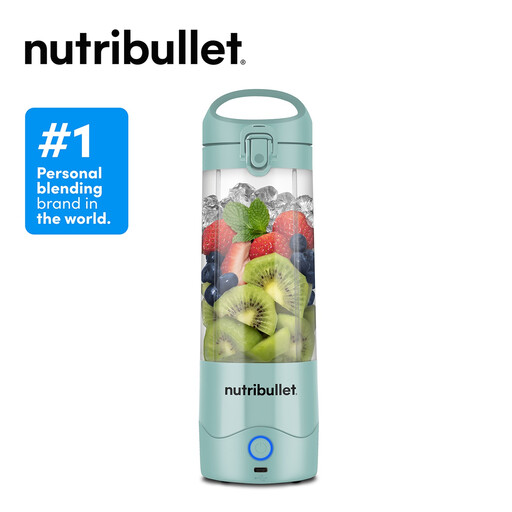
This cordless cup option is for making one frozen mocha to take with you. Its listed ice-crushing capability does not establish how it will handle every ice-heavy recipe, so check its instructions before using ice regularly.
 No image available
The cordless cup and to-go lid suit a single drink away from the kitchen.
The listing specifies a 475ml cup and USB-C charging cable, claims ice and frozen-fruit processing, and describes the cup, lid and blade assembly as dishwasher-safe.
Check the model’s permitted ice load, fill and running instructions before blending ice. Cool coffee unless its instructions expressly permit hot liquids.
Cool it first unless the exact personal blender’s instructions expressly permit hot liquids. Breville says its Blend Active is not suitable for hot food; nutribullet describes hot-liquid use for its separate, vented-lid Blender 1000W jug model.
Follow your blender’s own loading instructions. KitchenAid’s general guidance puts liquids below frozen ingredients and ice, while Breville’s Blend Active instructions call for some liquid when processing ice; do not assume another model uses the same sequence or quantities.
Electrical Safety First advises checking for a UK three-pin plug with a fuse. It also recommends buying from a reputable retailer, following the manufacturer’s instructions and registering the appliance for recall contact.
Do not assume warranty terms carry across sellers or bundles. Check the stated warranty, seller and exact configuration for the model you intend to order.