Small-batch iced-drink hosts
If you make one or two drinks at a time, a compact blending bottle may suit you, provided you are comfortable preparing further drinks in separate batches.


Choose a bottle-style personal blender if you are happy to make iced chocolate in successive small batches. If serving several friends in one blend matters more, consider a hybrid appliance or a larger jug blender, accepting that it will be less like a compact blend-and-go bottle. Whichever format you choose, check the exact model’s ice-processing instructions, fill limits and cleaning guidance.
If you make one or two drinks at a time, a compact blending bottle may suit you, provided you are comfortable preparing further drinks in separate batches.
If several drinks need to be ready together, compare larger jugs, their fill limits and the exact model’s ice-processing instructions rather than relying on a personal cup’s stated capacity.
If you want a personal-drink option on ordinary days and a larger vessel when friends visit, a hybrid appliance offers both workflows, with more components to use and store.
Choose it when: You usually make individual iced chocolates and can serve visitors in successive batches.
Trade-off: A small bottle does not establish how many finished drinks you can make at once; the recipe and fill limit matter.
Choose it when: You want a personal-blending option for everyday use and a larger vessel for visitors, as offered by Kenwood’s MultiPro Go Blend.
Trade-off: A multi-function system has more parts than a dedicated personal blender.
Choose it when: Preparing several drinks in one blending session matters more than drinking from the blending bottle.
Trade-off: You will need space for the jug and will pour the finished drink into serving glasses.
| Concern | What to check | Who this matters to |
|---|---|---|
| Ice processing and texture | Check the exact model’s ice-processing instructions, including any requirement to add liquid; wattage alone does not establish how it handles ice. | I want the ice to blend into my chocolate rather than remain in chunks; around 36% of consumers would put ice processing first. |
| Capacity for visitors | Compare vessel capacity and maximum-fill guidance with your recipe volume, rather than converting litres into a fixed serving count. | When friends arrive together, I would rather make their drinks in fewer rounds; roughly 29% of consumers would make batch capacity their primary concern. |
| Cleaning between batches | Check which removable parts the manufacturer permits in a dishwasher and how the vessel is handled if ingredients jam. | If I am making drinks one after another, I do not want washing and reloading to dominate the visit; about 21% of consumers would prioritise that workflow. |
| Personal-blender convenience | Check the bottle format, capacity and included components, and whether a larger appliance also has a personal-blending attachment. | Most days I make a drink just for myself, so I can accept extra batches when friends visit; around 14% of consumers would put the personal-drink format first. |
A motor rating does not tell you whether the exact model is intended to process ice or how it will perform with your recipe. Which? includes ice crushing in its blender tests, while manufacturers give model-specific instructions and claims.
Look for explicit ice-processing guidance for the model, then check its vessel capacity and controls.
A small blending bottle may mean repeated blending when several friends want iced chocolate.
Compare your recipe volume with the vessel’s maximum-fill guidance before deciding whether successive batches are practical.
Breville’s guidance for a jammed bottle says to remove it from the motor unit before agitating or redistributing ingredients.
Switch off and detach the bottle before handling the mixture, and follow the model’s instructions for balancing ice and liquid.
A UK government product-safety report identified a serious fire risk involving the plug and fuse of one specific blender. That finding does not establish a fault in other models.
Check the seller, plug information and instructions for the blender you intend to order, and consult the UK government’s product-safety alerts and recalls service for that product.
Breville’s Blend Active range is relevant if you prefer a compact bottle-style blender for small iced-chocolate batches.
nutribullet has personal-drink models as well as a larger jug format, so the relevant choice is how often you serve one person versus several.
Kenwood’s MultiPro Go Blend is relevant if you also want food-preparation functions alongside personal and jug blending.
These choices include bottle-style personal blenders for successive drinks and a jug-and-cup appliance for a larger-batch workflow. Compare each model’s ice instructions and fill guidance before deciding how it fits your recipe.
 No image available
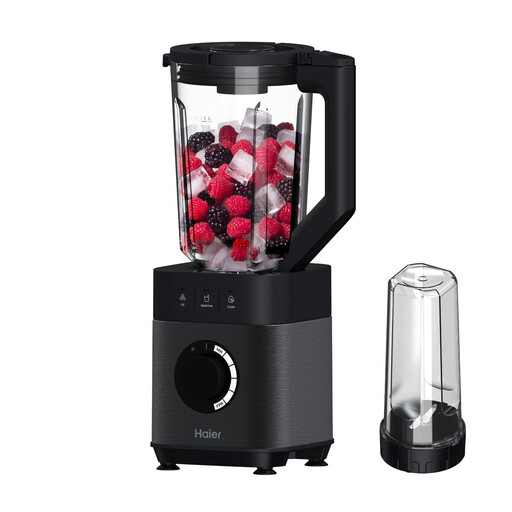
Consider the jug-and-cup format if you want a larger vessel when friends visit and a separate cup for individual drinks.
The product name specifies a 1.7L glass jug, 0.6L Tritan cup and 1200W motor. Check the usable fill limit, ice-processing instructions and UK electrical details for the exact listing.
 No image available
Its personal-cup format suits iced chocolates made individually, with further drinks prepared in separate batches.
The product name specifies a 900ml cup, 900W motor and ice use. The listing gives conflicting kit-piece counts, so confirm the included components, fill guidance and UK plug before ordering.
 No image available
This is a personal-cup option if you are content to prepare friends’ iced chocolates in successive blends.
The product name lists a 900ml cup, 1200W motor and suitability for crushing ice. Check the cup’s fill guidance, model-specific ice instructions and UK electrical details.
 No image available
The small bottle format is for individual iced drinks rather than a whole group in one blend.
The product name lists one-touch operation, detachable blades and ice crushing. Check its fill limit, ice-processing and cleaning instructions, and UK electrical details before buying.
 No image available
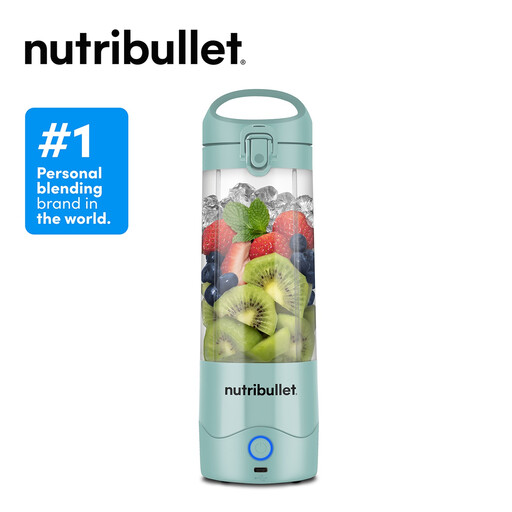
Choose this small personal-cup format only if making separate drinks for visitors fits your plans.
The product name lists a 475ml cup, to-go lid and USB-C charging cable. Check the exact model’s ice instructions and required charging power source before ordering.
Use ice only if the exact model’s instructions permit it. Breville advises adding a small amount of liquid when processing ice; follow the guidance for your own blender rather than assuming that every personal model works the same way.
A 0.6L bottle is a small-batch vessel, not a fixed number of servings. Compare your recipe volume with the bottle’s maximum-fill guidance, and consider a larger jug if you want several drinks prepared together.
Switch off and remove the bottle from the motor unit before redistributing the ingredients. Breville says the balance of food, ice and liquid can contribute to jamming, so follow your model’s instructions for the mixture.
Only wash parts in a dishwasher when the exact model’s instructions allow it. Breville lists the Blend Active bottle as dishwasher-safe; check cups, blades, lids and other components separately rather than treating the whole appliance alike.
Check the exact seller listing, plug information and product instructions, and look up the model in the UK government’s product-safety alerts and recalls service. A government report concerning one blender’s plug and fuse does not establish a problem with other products.