
24/7 Customer Support

Free returns

Same-day & Next-day Delivery

Quality Guaranteed

Unlock Your Welcome Offers: FREE Delivery | Up to 80% OFF | Free 30-day JoyPlus trial
Download the APP
Pest control traps can offer a targeted way to manage unwanted insects, rodents and garden pests without treating an entire room or planting bed. However, choosing by a bright package or a broad “all-purpose” claim can lead to wasted money, poor results and unnecessary risks around children, pets or wildlife.
This guide from the Joybuy Product Recommendation Officer explains what to check before buying pest control traps, from a wasp trap for the patio to fungus gnat traps for houseplants.
A trap designed for flying insects will not solve a mouse problem, while a rat trap is unsuitable for garden slugs. Some products are highly targeted, such as pheromone traps for particular leaf miner species. Check the named pest on the packaging rather than relying on general wording such as “garden protection”.
A trap can only work where the pest is active. A wasp trap placed beside a frequently used seating area may attract insects closer to people before they enter the trap. Rodent traps generally work more effectively along walls, behind appliances or near visible activity. Slug traps need to be placed close to vulnerable plants, not simply at the edge of a large garden.
Coverage claims also need scrutiny. A product may state a coverage area under specific conditions, but several traps may be needed around beds, greenhouses or outbuildings.
“Reusable” does not always mean maintenance-free. Pitfall traps may need emptying and fresh bait, while sticky insect traps need replacing when covered. For any trap, check how it is opened, cleaned, reset or disposed of. Used rodent traps should be handled with gloves and kept away from children and pets.
Match the mechanism to the pest:
For outdoor garden pest control, look for water-resistant or UV-resistant materials. Adhesive products exposed to sunlight or rain may lose performance more quickly if they are not designed for outdoor conditions.
Reusable pest traps should have practical access for cleaning and baiting. A removable lid, integrated bait cup or resettable mechanism can make regular use less unpleasant. For indoor pest control, odourless and insecticide-free sticky traps may be preferable around kitchens, conservatories and living areas.
Read the full label before use. In the UK, pest control products must be used according to their directions, including placement, dosage and disposal guidance. Keep traps and pellets out of reach of children and pets, even when a product is described as non-poisonous.
For wildlife-conscious garden use, look for protective covers or species-specific lures. Avoid placing adhesive traps where birds, pollinating insects or other non-target animals could become caught. A trap’s suitability depends on its design and position, not only on the words “natural” or “eco-friendly”.
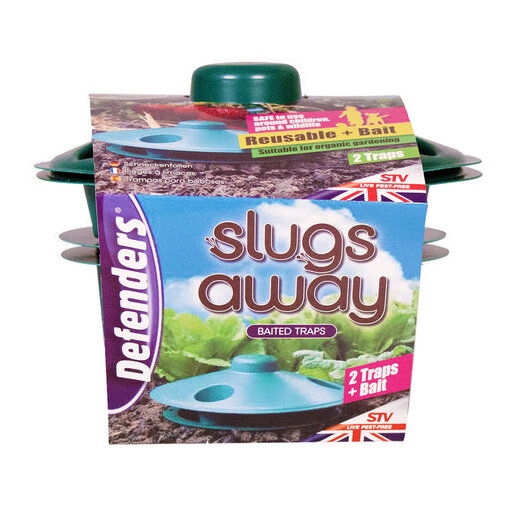
Why This Fits Their Persona: A practical starting point for UK gardeners, allotment growers and anyone protecting a small number of planters from slugs and snails.
It is a targeted pitfall design rather than a generic insect product, and it avoids the need for poison pellets. Bait is included to help users set it up promptly.
Twin pack; reusable throughout the growing season; suitable for gardens, allotments and planters.
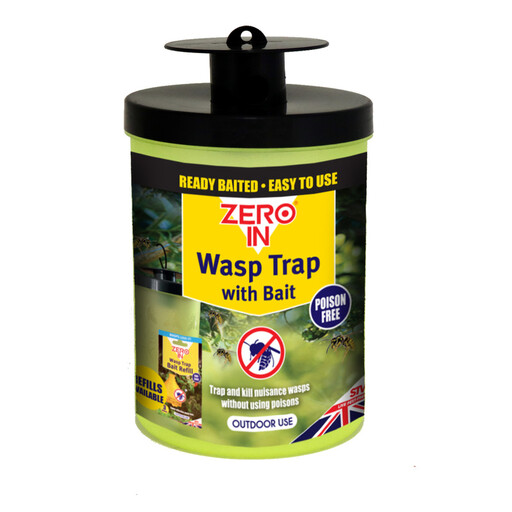
Why This Fits Their Persona: Suits households that want a prepared outdoor solution for patios, garden seating areas and entertaining spaces during wasp season.
The bait and water-mixing instructions are clearly defined, while the removable lid addresses the cleaning problem found in non-serviceable designs.
Reusable plastic body; supplied bait; poison-free design; listed attraction range of up to 20 metres.
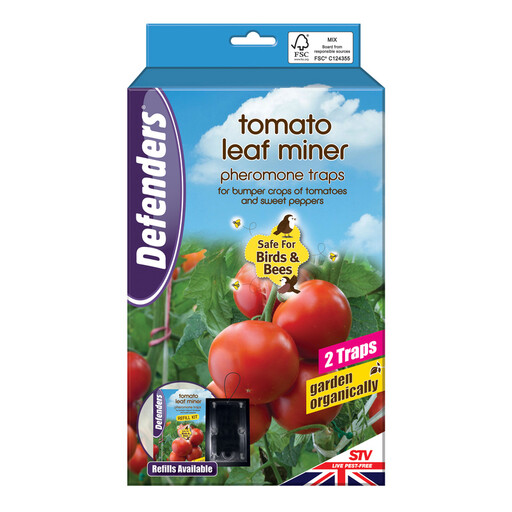
Why This Fits Their Persona: Designed for greenhouse growers and vegetable gardeners dealing with the specific tomato leaf miner rather than general flying insects.
The species-specific lure helps prevent the common mistake of using a broad sticky card for a clearly identified crop pest. It is also refillable.
Twin pack; moisture- and UV-resistant adhesive; each trap is listed to last up to two months; refill pack available.
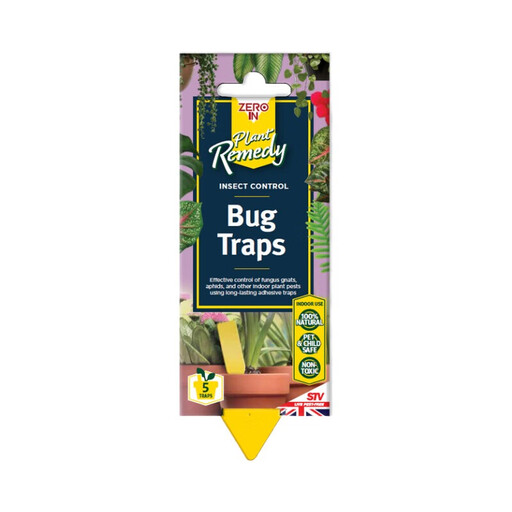
Why This Fits Their Persona: A convenient option for flats, conservatories and home offices where houseplants attract fungus gnats or other small sap-sucking pests.
The product is made for indoor plants, rather than outdoor pest populations, and uses adhesive rather than an insecticide. Placement still matters: position cards near affected plants.
Five double-sided traps; water-resistant; odourless and poison-free; UV-resistant glue is listed to remain sticky for months.
We have compiled a complete, real-time list of products that fully satisfy these strict selection criteria and UK safety regulations.
Some products are marketed as non-poisonous or poison-free, but they can still present physical hazards. Adhesive traps may stick to fur or skin, and rodent traps contain strong springs. Follow the label, use protective covers where provided and position every product out of reach.
The lifespan depends on the type. Plastic pitfall traps can be reused when cleaned and rebaited. Wasp traps may be emptied and prepared again with fresh bait. Sticky cards and pheromone traps have a finite adhesive or lure life; check the stated duration and replace them when full, dry or no longer attractive.
The answer depends on the pest and the area being treated. A reusable slug trap may reduce repeat purchases because it can be rebaited, whereas adhesive and pheromone traps need periodic replacement. Compare the initial pack size, refill availability, coverage and maintenance rather than judging only by the shelf price.