
24/7 Customer Support

Free returns

Same-day & Next-day Delivery

Quality Guaranteed

Unlock Your Welcome Offers: FREE Delivery | Up to 80% OFF | Free 30-day JoyPlus trial
Download the APP
Dealing with unwanted pests is a common challenge for many UK households. Whether it's a mouse in the kitchen, slugs in the garden or flies buzzing around, finding the right solution can feel overwhelming. The market is filled with countless pest traps, but not all are created equal. As a Joybuy Product Recommendation Officer, my role is to help you navigate the options and select a practical tool for the job, without falling for common marketing gimmicks.
Before you buy, it's worth understanding a few pitfalls that lead to wasted money and frustration.
To make an informed choice, focus on a few core features rather than marketing hype. Analysing these details will help you find a reliable and appropriate solution for your specific DIY pest control needs.
The first decision is how you want the trap to function. This choice depends on the type of pest and your personal preference.
Effective trapping relies on understanding the pest's behaviour. A generic trap is far less effective than one designed for a specific target.
Based on these practical considerations, here are a few recommended products suited to different household needs and pest problems.

Why This Fits Their Persona: This is ideal for households with children or pets where using poisons or snap traps is a concern. It offers an effective method for monitoring and controlling mice without causing harm, aligning with a preference for humane pest control.
It directly counters the safety pitfall by being a live-capture system pre-baited with a non-toxic lure, making it suitable for use in sensitive areas like kitchens or playrooms.
Catches up to 5 mice without needing to be reset. The transparent body allows for easy inspection without opening the trap.
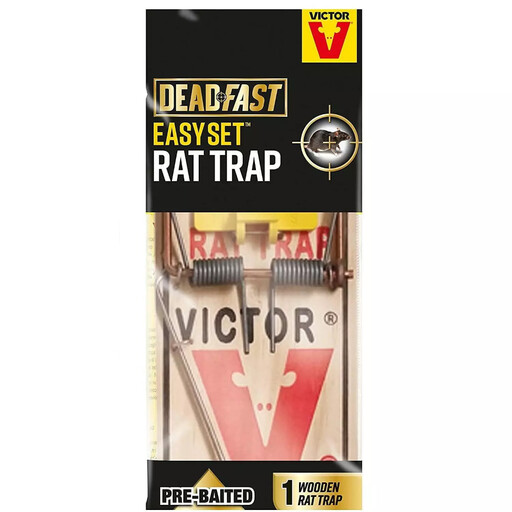
Why This Fits Their Persona: For someone dealing with a more significant rodent issue like rats, efficiency and reliability are paramount. This trap is designed for a quick, powerful action and is built from durable materials for repeated use in sheds, garages or outdoors.
It avoids the "one-size-fits-all" myth by being specifically engineered for rats, with an extra-strong spring. It also avoids the flimsy design pitfall, as it is made of durable plastic and metal for long-term use.
Features a one-click setting mechanism for safety and ease of use. The integrated bait cup allows for no-mess baiting.
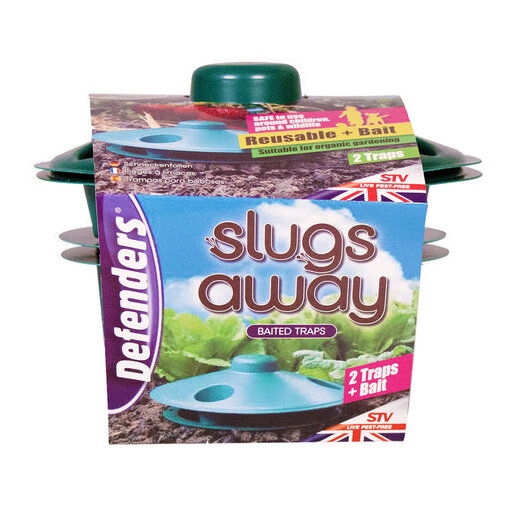
Why This Fits Their Persona: Perfect for gardeners who want to protect their vegetables and plants from slugs and snails without resorting to chemical pellets. This solution is aligned with organic gardening principles and is safe for use around wildlife and pets.
This is a highly specific slug trap, avoiding the "one-size-fits-all" issue. It also addresses the safety pitfall by being a completely poison-free solution, protecting children, pets and non-target wildlife.
The traps are reusable throughout the growing season and can be refilled with beer or other organic baits once the initial bait is used.
We have compiled a complete, real-time list of products that fully satisfy these strict selection criteria and UK safety regulations.
Rodents tend to travel along walls and edges rather than across open spaces, as it makes them feel more secure. For the highest chance of success, place traps perpendicular to a wall with the baited, trigger end facing the wall. Look for signs of activity, such as droppings or gnaw marks, and place traps in those areas, like behind appliances, in cupboards or along skirting boards.
Yes, live-capture or humane pest control traps can be very effective when used correctly. Their success depends on three factors: using an attractive bait (peanut butter or chocolate spread works well for mice), placing the trap in an area of high activity and checking it frequently. For them to be a truly humane solution, you must be prepared to check them at least once a day to release any captured animal promptly.
For lethal traps like snap traps, it is good practice to check them daily to dispose of any captured pests hygienically and reset the trap if necessary. For live-capture traps, checking them once or twice a day is essential. Leaving a captured animal in a trap for an extended period is inhumane and can cause it significant distress. For passive insect traps like sticky pads, check them weekly or when you notice they are becoming full.