
24/7 Customer Support

Free returns

Same-day & Next-day Delivery

Quality Guaranteed

Unlock Your Welcome Offers: FREE Delivery | Up to 80% OFF | Free 30-day JoyPlus trial
Download the APP
Pesto sauce can turn plain pasta, vegetables or toasted bread into a quick, flavourful meal. However, the jar that looks most appealing on the shelf may not suit your diet, cooking habits or preferred flavour. UK shoppers often compare basil pesto, red pesto and chilli pesto by appearance alone, while overlooking the ingredient proportions, allergens and storage instructions.
This guide explains what to check before buying pesto sauce, followed by practical recommendations for different household needs.
A classic basil pesto commonly combines basil, oil, cheese, garlic and nuts. Yet recipes can vary considerably. Some use sunflower oil as the main oil, while others contain a smaller proportion of basil and rely on potato, starch or flavourings for texture.
For example, Sacla Italia Classic Basil Pesto lists basil at 45.5%, alongside cheeses, cashew nuts and pine nuts. Mr Organic Basil Pesto lists basil at 31.2% and uses tofu, cashews and pine nuts in its plant-based recipe. Neither is automatically right or wrong; the difference is important if you want a more traditional dairy recipe or a vegan alternative.
Pesto frequently contains milk, cashew nuts, pine nuts or other tree nuts. Chilli and red pesto may also include less obvious ingredients. Filippo Berio Hot Chilli Pesto, for instance, contains anchovy sauce and is therefore not suitable for vegetarians or vegans.
Always read the current packaging, particularly when buying for children, guests or anyone with a food allergy. UK allergen information should be presented clearly in the ingredients list, but recipes can change.
Pesto is convenient, but opened jars generally need refrigeration and should be used within a specified period. Several 190g products recommend refrigeration for up to two weeks, whereas Mr Organic varieties advise using them within three days. A large jar may offer more servings, but a smaller format or single-serve pesto pasta pot can create less food waste if you cook for one.
Choose the style according to how you intend to use it:
The percentage of basil or tomato provides useful context, but it does not determine personal taste. Oil, cheese, nuts, acidity and salt also affect the final flavour.
Pesto itself is not automatically vegetarian, vegan or gluten-free. Check these points individually:
Most pesto jars in this selection contain around 165g to 190g, a practical size for several meals. The Sacla Creamy Pesto Pasta Pot is an 80g individual portion designed for a five-minute preparation, making it convenient for work lunches or quick meals.
After opening, refrigerate pesto according to the label. Use a clean spoon, keep the lid securely closed and follow the stated consumption period. For hot pasta, stir pesto through at the end rather than boiling it, which helps preserve its fresh flavour and prevents the sauce from becoming oily.
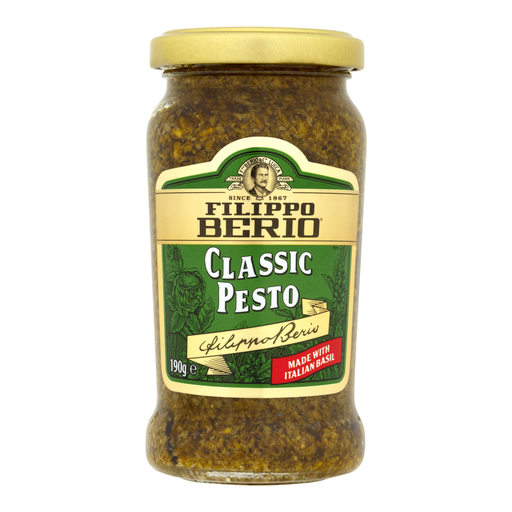
Why This Fits Their Persona: A familiar 190g jar format suits shoppers who want a straightforward Italian-style sauce for weekday pasta, toast or vegetable dishes.
The ingredients list identifies Italian basil at 46% and clearly states the presence of cashew nuts and milk.
Contains basil, extra virgin olive oil, Parmigiano Reggiano and Pecorino Romano; made in Italy.
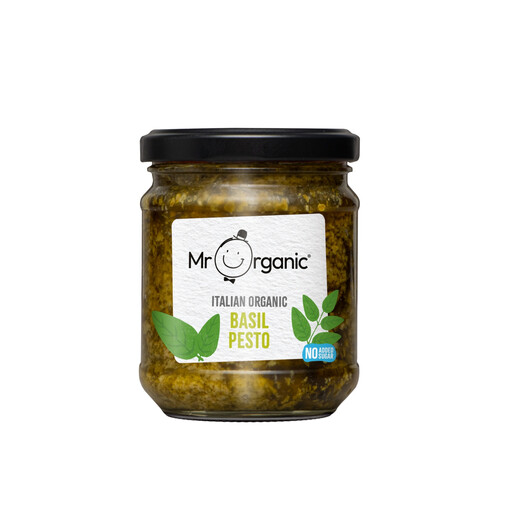
Why This Fits Their Persona: Suitable for shoppers seeking an organic, plant-based pesto for pasta, bruschetta, salads or vegetable dishes.
Its plant-based recipe avoids dairy, while the label identifies organic agriculture and declares soya and cashew allergens.
Contains 31.2% basil, tofu, cashew nuts and pine nuts; refrigerated use within three days after opening.
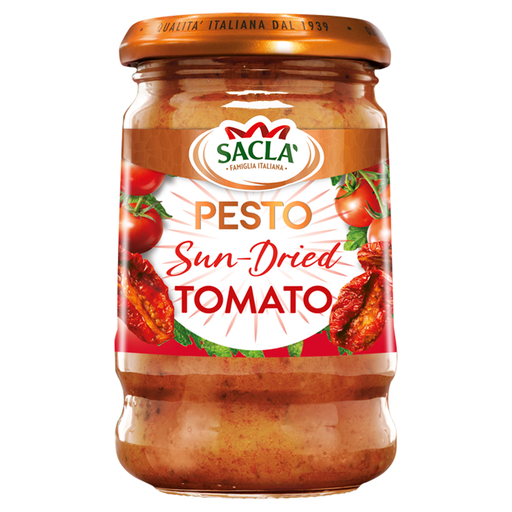
Why This Fits Their Persona: A useful pantry option for frequent cooks who want a stronger tomato flavour in pasta, roasted vegetable tarts or pesto soup.
The ingredient list gives specific quantities for Italian basil and sun-dried tomatoes, while allergens are clearly declared.
Made in Italy; contains tomato, basil, cheeses and extra virgin olive oil; keeps refrigerated for two weeks after opening.
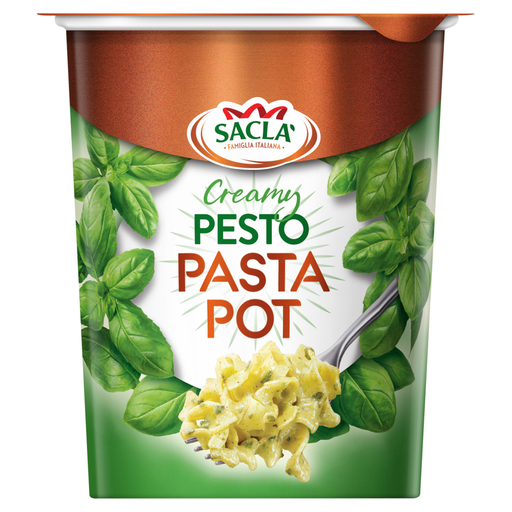
Why This Fits Their Persona: The individual pot suits office lunches, student kitchens and busy evenings when there is limited time for preparation.
The single-serving format avoids opening a jar that may not be used before its refrigeration window ends.
80g portion; five-minute preparation; contains wheat, milk and egg, so it is not suitable for those avoiding these allergens.
We have compiled a complete, real-time list of products that fully satisfy these strict selection criteria and UK safety regulations.
Not always. Traditional recipes often contain hard cheese, while some products may include anchovy sauce. Check the allergen and ingredient information. Vegan products should specifically identify themselves as vegan or plant-based and should not list milk, cheese or fish ingredients.
The period varies by product. Many jarred options recommend refrigeration and use within two weeks, while some organic recipes advise consumption within three days. Follow the packaging instructions, keep the jar chilled and use a clean utensil.
Yes. Stir a small amount into vegetable soup, pea soup or a gluten-free soup shortly before serving. Red pesto adds tomato depth, while basil pesto provides a herby flavour. Check the pesto and soup labels separately if you need a vegetarian, vegan or gluten-free meal.