
24/7 Customer Support

Free returns

Same-day & Next-day Delivery

Quality Guaranteed

Unlock Your Welcome Offers: FREE Delivery | Up to 80% OFF | Free 30-day JoyPlus trial
Download the APP
A jar of pesto sauce can turn pasta, toast or vegetables into a quick meal, but not every product suits every kitchen. A vivid label may suggest fresh basil, Italian tradition or intense chilli, while the ingredient list tells a more useful story.
The main buying pitfalls are easy to avoid:
Ingredients are listed by weight, so the first few entries show what makes up most of the recipe. For basil pesto, check the percentage of basil and whether the recipe includes cheese, nuts and olive oil. For red pesto or sun-dried tomato pesto, look for tomato purée or dried tomatoes near the beginning of the list.
If you follow a vegan diet, look for a clear vegan or plant-based statement, then confirm the allergen panel. Sacla Free From Classic Basil Pesto uses basil, cashew nuts, sunflower oil and olive oil without dairy ingredients, while Mr Organic Basil Pesto includes tofu, soya, cashew nuts and pine nuts.
For allergies, do not rely only on front-of-pack wording. Check the current packaging for milk, nuts, soya, fish, gluten and sulphites, as recipes and manufacturing information may change.
Basil pesto is generally suited to pasta, pizza, bruschetta, salads and grilled vegetables. A red pesto or sun-dried tomato pesto gives pasta a deeper tomato flavour and can work as a sandwich spread or soup ingredient.
Chilli pesto varies from gently warming to strongly spicy. Look for a stated chilli rating or chilli percentage if you want a more predictable result. Chilli harissa pesto may also include paprika, cumin, coriander and other spices, making it useful for marinades and roasted vegetables rather than only pesto for pasta.
For pesto soup, choose a product specifically made as soup rather than stirring a concentrated jar into water without checking the instructions. Soup products usually contain vegetables, pulses and stock ingredients, so their texture and nutritional profile differ from a sauce.
Common pesto formats range from small single-use pots to jars around 165g–190g. A 190g jar can suit family pasta dishes or several smaller portions, but a smaller format may reduce waste for occasional cooks.
Check the storage directions before purchasing:
Always follow the label on the item received. Keep opened pesto refrigerated and use clean utensils to reduce contamination risk. A bulging lid, damaged seal or unusual smell is a reason not to consume the product.
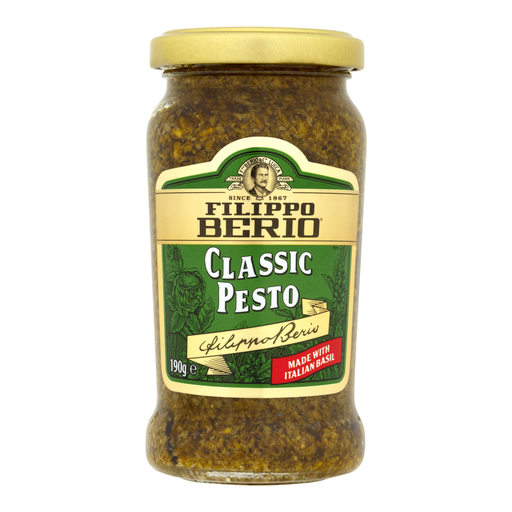
Why This Fits Their Persona: A familiar 190g jar suits shoppers planning straightforward pesto for pasta, toast or vegetables without buying a specialist format.
The product information clearly lists 46% Italian basil and identifies milk and cashew nut allergens, helping first-time buyers check suitability.
Classic basil profile; 190g quantity; suitable for pasta, spreading and everyday cooking.
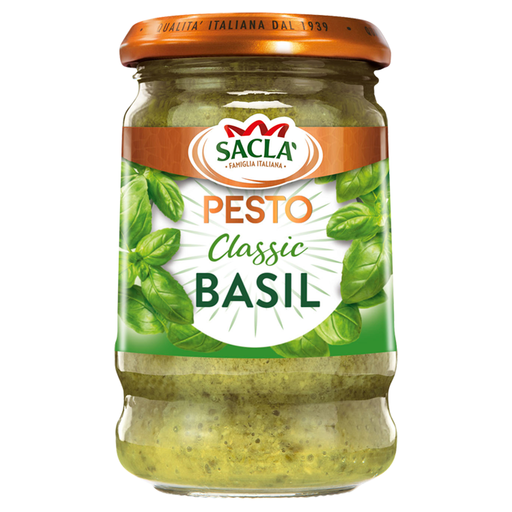
Why This Fits Their Persona: Suitable for cooks looking for an Italian pesto with a traditional basil, cheese and nut combination.
The ingredient list states 45.5% basil and identifies milk and nuts, giving a clearer basis for comparison than front-label imagery alone.
Contains Italian cheeses and pine nuts; two-week refrigerated use guidance after opening.
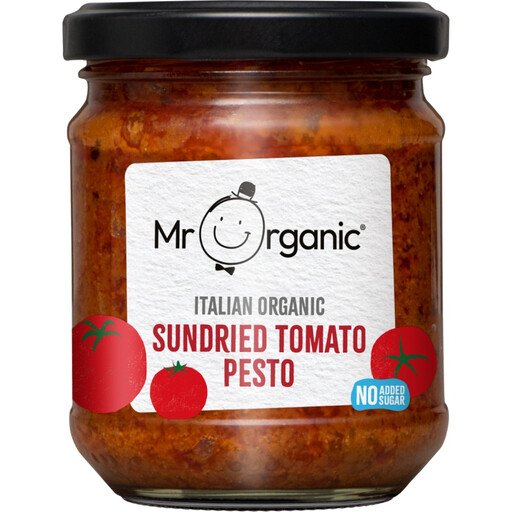
Why This Fits Their Persona: A plant-based sun-dried tomato pesto for shoppers seeking organic ingredients and a dairy-free alternative to conventional recipes.
The product information identifies organic agriculture ingredients, vegan suitability and soya as an allergen, rather than presenting “plant-based” as an allergy-free guarantee.
Contains 28% rehydrated sun-dried tomatoes; suitable for pasta, sandwiches and salads; vegan.

Why This Fits Their Persona: Designed for cooks who use pesto as more than a pasta sauce, including marinades, sandwich spreads and roasted vegetables.
Its stated Chilli Rating 2 offers a useful indication that the heat is warming rather than positioned as an extreme chilli product.
Vegan recipe; includes paprika, sun-dried tomatoes, basil and pine kernels; four-week refrigerated use guidance after opening.
We have compiled a complete, real-time list of products that fully satisfy these strict selection criteria and UK safety regulations.
For pesto for pasta, loosen the sauce with a splash of cooking water before mixing. This helps it coat the pasta without adding another large quantity of oil. Red pesto works particularly well with short shapes, while basil pesto suits spaghetti, linguine and filled pasta.
As a pesto spread, use a thin layer on toast, ciabatta or sandwiches. It can also add flavour to roasted vegetables, savoury tarts and grilled foods. For a quick pesto soup, stir a small amount into a vegetable soup, then taste before adding salt because many pesto products already contain salt.
Not always. Traditional basil pesto commonly contains hard cheese, and some chilli products include anchovy. Vegan pesto replaces dairy ingredients but may still contain cashew nuts, pine nuts or soya. Read the full ingredient and allergen information before buying.
It depends on the product. The examples above range from three days to four weeks when refrigerated. Follow the specific jar or pot instructions, keep it chilled and use clean cutlery.
Yes. It can be used as a sandwich or toast spread, pizza topping, salad dressing, vegetable marinade or soup ingredient. Choose the flavour according to the dish: basil pesto is herb-led, red pesto is tomato-led and chilli pesto adds heat and spice.