
24/7 Customer Support

Free returns

Same-day & Next-day Delivery

Quality Guaranteed

Unlock Your Welcome Offers: FREE Delivery | Up to 80% OFF | Free 30-day JoyPlus trial
Download the APP
Feeding pets and wild birds can be simple, but the wrong product may create more work, waste food or become unsuitable after a short period. The market includes everything from an automatic pet feeder and smart cat feeder to a peanut feeder or window bird feeder, so comparing the practical details matters more than choosing based on attractive packaging.
Joybuy Product Recommendation Officer guidance focuses on filtering useful features from marketing language. Here are the main pitfalls to avoid before buying pet and bird feeders in the UK.
An app-controlled pet feeder can offer scheduled meals, portion settings and feeding records. However, these features are only useful if the device supports your home network, works with the food your pet eats and continues feeding during an internet or power interruption.
Check whether the feeder requires 2.4GHz Wi-Fi, mains power, batteries or a combination of power sources. Also confirm whether battery backup is included or sold separately.
A slow feeder bowl is not automatically suitable for every dog or cat. Some pets may find deep grooves frustrating, while enthusiastic chewers can damage soft mats. A cat slow feeder should generally be whisker-friendly and appropriately sized, whereas a dog slow feeder needs a stable base or secure attachment.
Look for clear information about food compatibility, dimensions, supervision and cleaning. A licking mat is not a chew toy, and pets should be supervised when using one.
A feeder that is difficult to open or clean may be neglected over time. For outdoor products, old seed, damp energy balls and dirty perches can affect visiting birds. For pet products, food residue can collect around dispensing outlets, bowls and seals.
A wild bird feeder should be positioned securely, away from easy access by cats and preferably in a sheltered location. Avoid placing a bird feeder too close to windows, where bird collisions may be more likely.
Automatic pet feeders commonly work with dry food, but kibble size can affect dispensing. A sealed storage compartment may help reduce exposure to moisture and insects, but it does not replace checking food freshness and cleaning the outlet.
For cats and small to medium-sized dogs, consider:
Food-contact parts should be clearly identified. Stainless steel and ceramic bowls are commonly selected for their wipe-clean surfaces, while food-grade rubber mats are designed for spreading wet, raw, dry or liquid food.
For outdoor feeders, weather-resistant plastic or metal can be practical. A screw-top lid makes refilling easier, while removable parts simplify routine cleaning. Always follow the manufacturer’s instructions and allow components to dry completely before adding fresh food.
A seed bird feeder, energy ball feeder and peanut feeder each attracts different feeding behaviours. Mesh peanut feeders are suited to birds that can cling while extracting food, whereas smaller feeding entrances may help focus visits from smaller garden birds.
Before installation, check:
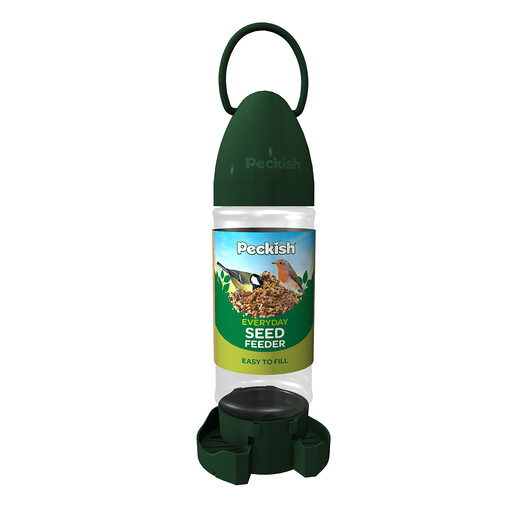
Why This Fits Their Persona: A straightforward option for UK gardens, balconies and outdoor spaces where shoppers want to choose their own bird food without buying a complex system.
The screw-top lid provides direct access for refilling and cleaning, avoiding designs that are awkward to maintain.
Recyclable plastic construction; suitable for seed mixes, suet pellets and mealworms; dimensions are 26cm high, 9.5cm wide and 8.4cm deep.
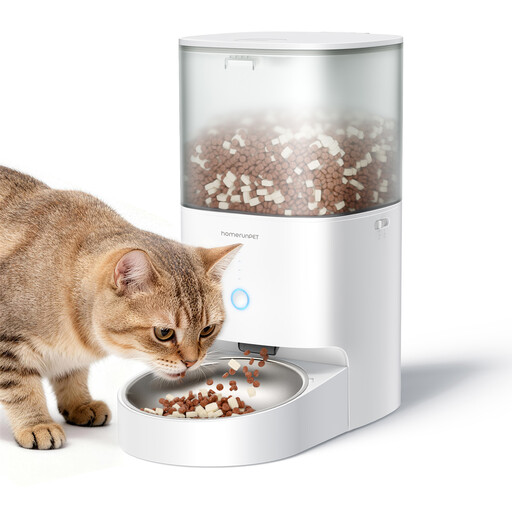
Why This Fits Their Persona: Suitable for owners who want app scheduling and a bowl option made from stainless steel or ceramic for daily feeding.
The product information specifies anti-clogging dispensing, app-based records and a sealed freshness-lock design rather than relying on vague convenience claims.
4-litre capacity; app-controlled feeding times and portions; stated six-month battery life; intended for cats and small to medium-sized dogs.

Why This Fits Their Persona: A practical match for cat owners who want scheduled feeding, remote status checks and a camera for occasional monitoring while away from home.
It clearly states that it is for compatible dry, freeze-dried, air-dried and mixed foods, avoiding the common mistake of using a dry-food dispenser with wet food.
1080P camera; two-way microphone; dual food compartment; stainless steel bowl; mains power with optional battery support.
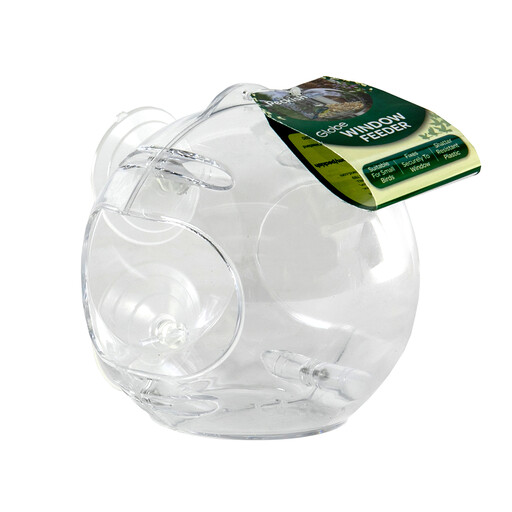
Why This Fits Their Persona: Useful for flats, balconies or gardens where observing smaller birds close to a window is the main aim.
Two suction pads and a small feeding entrance address stability and species-selection concerns, although the window must be clean and the feeder must not be overloaded.
High-quality plastic construction; two strong suction pads; designed to bring smaller birds within close viewing range.
We have compiled a complete, real-time list of products that fully satisfy these strict selection criteria and UK safety regulations.
Running costs depend on power consumption, battery use, replacement filters or desiccant packs and the type of food used. A mains-powered feeder may use little electricity, but app-connected models can require replacement batteries for backup. Check these ongoing requirements before comparing the purchase price.
Lifespan depends on material, weather exposure, cleaning and handling. Weather-resistant plastic and metal can be suitable for outdoor use, but regular inspection remains important. Replace any feeder with sharp edges, cracks, loose parts or signs of persistent mould.
Hang it securely in a sheltered, visible position, ideally away from easy access by cats and away from dense cover where predators may hide. Keep it clean, avoid overfilling and consider the risk of window collisions when selecting the final location.