
24/7 Customer Support

Free returns

Same-day & Next-day Delivery

Quality Guaranteed

Unlock Your Welcome Offers: FREE Delivery | Up to 80% OFF | Free 30-day JoyPlus trial
Download the APP
As a Product Recommendation Officer at Joybuy, I analyse market information to help you make practical shopping choices. When it comes to something as essential as your pet's food and water dishes, it's easy to get swayed by clever marketing. Let's cut through the clutter and focus on what truly matters for your pet's daily comfort and health.
Many well-intentioned pet owners in the UK find themselves replacing bowls and fountains far too often. This usually comes down to a few common purchasing pitfalls that are simple to avoid once you know what to look for.
To ensure you're investing in a product that is safe, durable and practical, focus on these core parameters.
The material of your pet's bowl directly impacts hygiene, durability and safety.
The shape and height of a bowl can significantly affect your pet's well-being.
Based on these practical criteria, here are a few options from our catalogue matched to different owner needs.
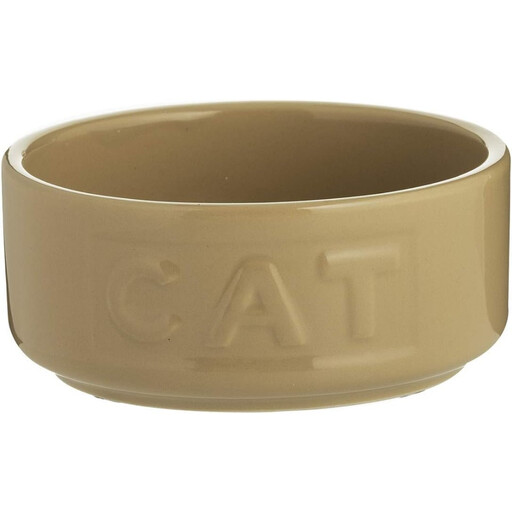
Why This Fits Their Persona: This is for the owner who values simplicity, durability and hygiene above all else. It's a no-fuss, timeless solution that does its job perfectly without unnecessary features.
It sidesteps the "uncleanable" trap entirely. As a simple stoneware bowl, there are no hidden parts or electronics, making it exceptionally easy to wash by hand or in a dishwasher.
The heavy stoneware material provides excellent stability, preventing spills. Its chip-resistant build ensures long-term use, and the glazed surface is hygienic and easy to maintain.
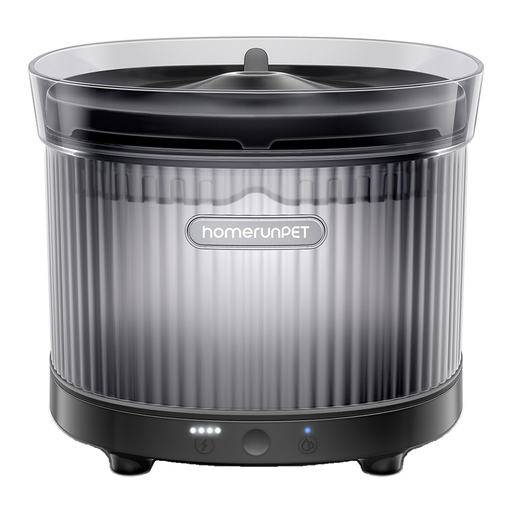
Why This Fits Their Persona: Ideal for those who want to encourage their pet to drink more with fresh, filtered water, but demand convenience and flexibility. The wireless design means it can be placed anywhere in the home, not just near a plug socket.
This fountain directly solves the "uncleanable" problem. The pump is completely wireless and detaches from the base, allowing you to take the entire water tank and pump to the sink for easy, thorough cleaning.
Its true wireless design and long-lasting battery offer unmatched placement freedom. The ultra-quiet operation (<20dB) and four-stage filtration system provide a peaceful and healthy hydration experience.
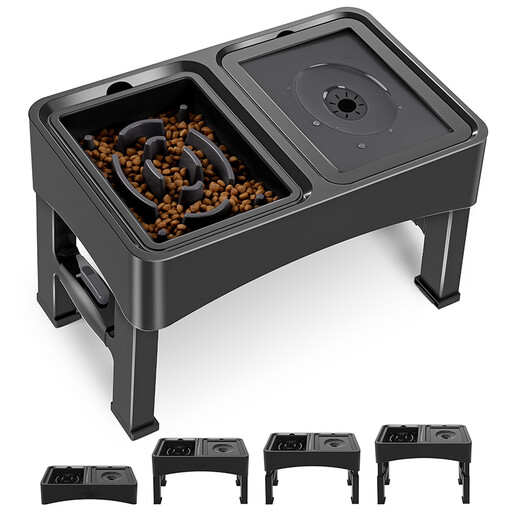
Why This Fits Their Persona: This is for the owner of a fast-eating dog or a messy drinker. It's a targeted solution that addresses specific behavioural issues while also providing ergonomic benefits for pets of various sizes.
It avoids the "one-size-fits-all" fallacy. With four adjustable height settings, it can be adapted for a growing puppy or different pets in the same household, ensuring it remains useful long-term.
The 2-in-1 design is highly efficient, combining a slow feeder and a splash-reducing floating water bowl. The foldable stand makes it easy to store or transport.
We have compiled a complete, real-time list of products that fully satisfy these strict selection criteria and UK safety regulations.
1. How often should I clean my pet's water fountain? For optimal hygiene, the water should be changed every 1-2 days. A full clean of the fountain, including the tank and any non-electrical parts, should be done at least once a week. The internal pump should be disassembled and cleaned every 2-4 weeks to prevent clogs and maintain performance.
2. Are elevated pet bowls really better for dogs and cats? For many pets, they can be. Elevated bowls may promote a healthier posture during meals, reducing strain on the neck and joints. This can be particularly beneficial for senior pets, large breeds and animals with arthritis or neck issues. However, it is not a universal requirement for every pet, and the ideal height varies.
3. What is the typical running cost of an automatic pet water fountain? The main ongoing cost is filter replacement. Most manufacturers recommend replacing the filter every 2-4 weeks. The electricity consumption is generally very low, similar to that of a phone charger, so it will have a minimal impact on your energy bills. Always factor in the price and availability of replacement filters when making your choice.