
24/7 Customer Support

Free returns

Same-day & Next-day Delivery

Quality Guaranteed

Unlock Your Welcome Offers: FREE Delivery | Up to 80% OFF | Free 30-day JoyPlus trial
Download the APP
Keeping a home clean and caring for a pet can become difficult when work, family commitments and unpredictable British weather compete for your time. The right pet care products can reduce routine effort, but choosing by headline claims alone may leave you with an expensive appliance or accessory that does not suit your home.
This guide focuses on practical specifications, maintenance requirements and everyday usability, covering an automatic cat litter box, pet-hair cleaning solutions, a LiDAR robot vacuum and a retractable dog lead.
A robot vacuum’s suction figure, such as 5,500 Pa or 6,000 Pa, is only one part of its performance. Brush design, navigation, filter maintenance, floor type and the amount of hair in your home also affect results. A high figure does not mean the machine will never need manual cleaning.
Similarly, a robot vacuum and mop may not be suitable for every surface. Carpet detection, water control and the ability to create no-mop zones are more relevant than simply seeing “3-in-1” on the box.
An automatic cat litter box can reduce scooping, but it still needs regular emptying, cleaning and replacement bags or odour-control supplies. Check the waste-bin capacity, compatible litter and access to replacement parts before ordering.
Robot vacuums also require filters, brushes, mop cloths and dustbin cleaning. If these parts are difficult to remove, pet hair can gradually reduce airflow and cleaning efficiency.
A long dog lead gives a dog more freedom, but a longer retractable design can be harder to manage near roads, cyclists or other animals. Weight guidance, locking control, clasp strength and inspection requirements should take priority over length.
A so-called chew-proof dog leash should not be treated as indestructible. Steel cable may resist biting better than a fabric section, but the entire lead, swivel and locking mechanism still require checks before each walk.
Before buying a self-cleaning cat litter box, confirm:
Keep the unit on a stable, level surface and follow the supplied cleaning and disposal instructions. App features should complement—not replace—daily observation of your cat.
When comparing a robot vacuum cleaner for pet hair, assess:
For electrical products, read the safety instructions, use them indoors as directed and check the packaging and documentation for applicable UK compliance information, responsible-party details and disposal guidance.
A suitable retractable dog leash should match the dog’s weight and walking behaviour. The Pecute Instant-Control Series model is listed for medium and large dogs weighing 15–50 kg and has an 8-metre reflective lead with a 0.5-metre steel cable extension.
Important checks include:
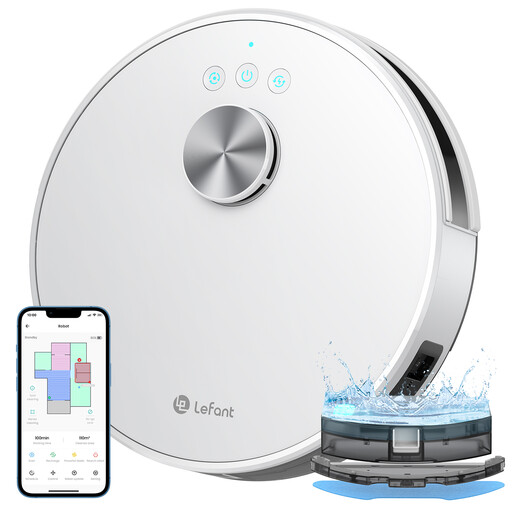
Why This Fits Their Persona: A practical starting point for households wanting automated vacuuming and mopping, with app and voice control rather than a more complex all-in-one station.
Its listed 2.4 GHz app connection, LiDAR navigation and self-charging address common concerns about manual operation and inefficient routes.
5,500 Pa suction, up to 200 minutes of stated running time, adjustable mopping water levels and a 55 dB listed noise level.
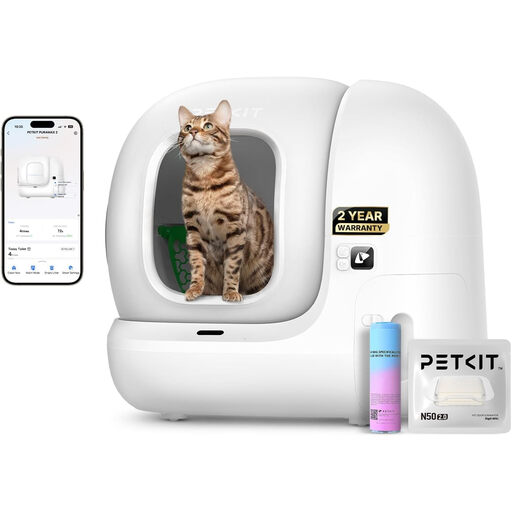
Why This Fits Their Persona: Suitable for cat owners prioritising automated litter management, app access and monitoring features in a dedicated indoor setup.
The listed safety system includes infrared and weight sensors, remote alerts and automatic stopping when a cat approaches.
7-litre waste bin, three cleaning modes, 2.4 GHz Wi-Fi, a low entrance and a sealed waste compartment with odour-control components.

Why This Fits Their Persona: Designed for homes dealing with frequent pet hair and hard-floor debris, particularly where a larger dustbin and longer autonomy are useful.
Its listed anti-tangle system, ultrasonic carpet detection and no-mop guidance help address hair build-up and unsuitable wet cleaning.
6,000 Pa listed suction, an 800 ml dustbin, ToF laser navigation, app and voice control, plus a stated runtime of up to 240 minutes.
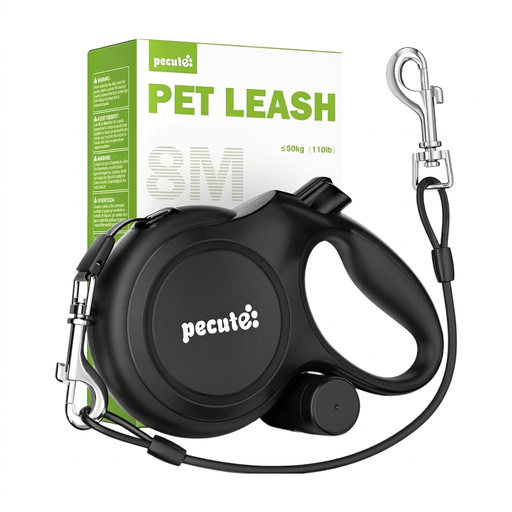
Why This Fits Their Persona: A walk-focused option for owners of medium to large dogs who want extended roaming distance with a built-in dog waste bag dispenser.
The stated 15–50 kg suitability, one-thumb lock and 360-degree swivel help make the long lead more manageable, while the steel extension addresses chewing at that section.
8-metre reflective lead, 0.5-metre steel cable extension, 360-degree swivel clasp and 15 included waste bags.
Smart pet products usually need a reliable power supply, app permissions and, for some models, 2.4 GHz Wi-Fi. Place charging bases away from bowls, water and busy walkways. For automated litter boxes, introduce the new unit gradually and retain a conventional tray until your cat is using it consistently.
Running costs depend on replacement bags, filters, mop cloths, brushes, litter and electricity. Before buying, check which consumables are included and whether generic alternatives are permitted. A lower purchase price may be less useful if essential parts are difficult to source.
We have compiled a complete, real-time list of products that fully satisfy these strict selection criteria and UK safety regulations.
They can reduce routine scooping and provide app-based monitoring, but they still require cleaning, waste removal and suitable clumping litter. Check entry size, cat weight guidance and the availability of bags or odour-control supplies.
Lifespan varies with usage, hair volume and maintenance. Empty dustbins regularly, remove hair from brushes and keep filters clean and dry. Follow the manufacturer’s replacement guidance for filters, mop pads and other consumables.
A robot vacuum uses electricity during charging and cleaning, with total cost depending on runtime, cleaning frequency and the household tariff. Scheduling shorter room-based cleans and keeping filters clear may help avoid unnecessary repeated cycles.