
24/7 Customer Support

Free returns

Same-day & Next-day Delivery

Quality Guaranteed

Unlock Your Welcome Offers: FREE Delivery | Up to 80% OFF | Free 30-day JoyPlus trial
Download the APP
As a nation of animal lovers, we want what's right for our furry companions. Yet, navigating the aisles of pet food and treats can feel overwhelming. With packaging covered in appealing images and health claims, it's easy to fall into common purchasing traps that don't benefit your pet or your wallet. As a Joybuy Product Recommendation Officer, my role is to help you see past the marketing clutter and focus on what truly matters.
Before you add another bag of treats to your basket, let's look at a few common pitfalls that UK pet owners encounter.
To make an informed choice, shift your focus from the marketing claims on the front to the factual information on the back. Here are two key areas to analyse.
Ingredients on a pet food label are listed in order of weight, from highest to lowest. The first five ingredients typically make up the bulk of the product. When choosing food or treats, look for a high-quality, named protein source as the first ingredient—such as 'chicken', 'duck' or 'salmon'. Be wary of vague terms like 'meat and animal derivatives', as the source and quality can be inconsistent. This rule is your most reliable tool for identifying genuinely high-protein and natural pet food.
This section is a legal requirement in the UK and provides a breakdown of the core nutritional content. Here’s what to look for:
By checking these parameters, you can match a product to your pet's specific needs, whether you're looking for hypoallergenic pet food or simply a daily treat.
Instead of a generic list, we've matched some options to specific types of pet owners. This helps you find a product that fits your pet's unique lifestyle and needs.

Why This Fits Their Persona: This owner is looking for a simple, daily routine to support their cat's oral hygiene. These treats are designed as an easy-to-give daily supplement to their cat's main diet, making dental care less of a chore.
It moves beyond a vague "dental" claim with a specific design. The porous texture is engineered to surround the tooth for a more thorough clean, a verifiable feature that sets it apart from standard hard treats.
According to the brand's research, it is scientifically proven to reduce tartar build-up. It also contains calcium and taurine for wider health support.
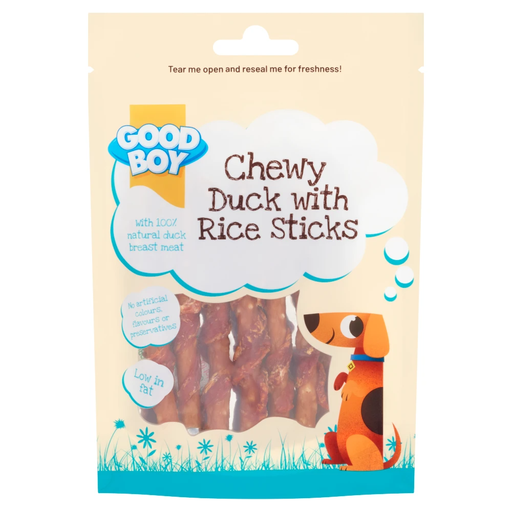
Why This Fits Their Persona: This owner carefully reads labels to find dog treats that are gentle on their pet's stomach. They prioritise simple recipes and avoid common irritants like rawhide or excessive fat.
It cuts through the "natural" illusion by being specific: the recipe contains 79% duck breast. This is a clear, quantifiable fact, not a vague marketing term. The rawhide-free formula also directly addresses a common concern for digestive sensitivity.
It features a high protein content (32%) from a single primary source and is very low in fat (3%), making it a suitable choice for dogs on a weight management plan.
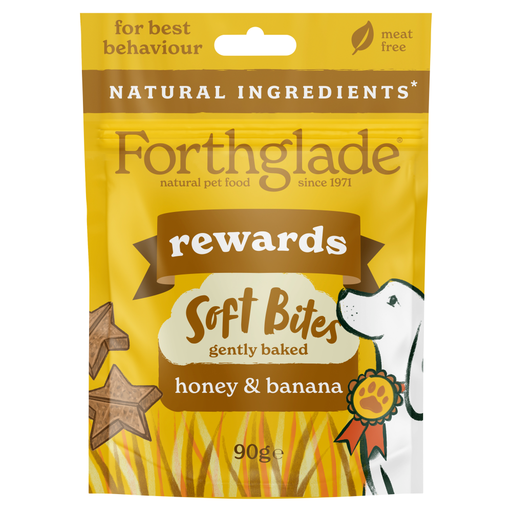
Why This Fits Their Persona: This owner needs effective puppy training treats. They require something small, palatable and easy to handle for frequent rewards. Health is a priority, especially for a young dog's developing system.
It sidesteps the grain-free hype by being positioned for a specific use: training treats for sensitive dogs. The soft-bite texture is a functional feature, allowing it to be easily broken for portion control, which is vital for small puppies (suitable from 2 months+).
The recipe is plant-based and grain-free with a simple ingredient list, making it a gentle option. The resealable pouch also maintains freshness during on-the-go training sessions.
We have compiled a complete, real-time list of products that fully satisfy these strict selection criteria and UK safety regulations.
To avoid digestive upset, it's important to transition your pet to a new food gradually over 7 to 10 days. Start by mixing a small amount of the new food (around 25%) with their old food (75%). Every couple of days, slowly increase the proportion of the new food while decreasing the old, until you have fully switched over.
Not necessarily. A higher price can sometimes reflect marketing budgets rather than superior ingredients. The most reliable indicator of quality is the ingredients list and the "Analytical Constituents." A mid-priced food that lists a named meat as its first ingredient is often a better choice than a costly one that leads with grains or vague 'meat derivatives'.
A widely accepted guideline is that treats should not account for more than 10% of your pet's total daily calorie intake. This ensures their diet remains balanced and helps prevent unhealthy weight gain. Always check the feeding guide on the product packaging for more specific recommendations based on your pet's size and weight.