
24/7 Customer Support

Free returns

Same-day & Next-day Delivery

Quality Guaranteed

Unlock Your Welcome Offers: FREE Delivery | Up to 80% OFF | Free 30-day JoyPlus trial
Download the APP
As a pet owner, navigating the aisles of pet food can feel overwhelming. With countless brands, formulas and marketing claims, it’s easy to feel unsure if you’re making the right choice for your furry family member. My role is to help you cut through the clutter and focus on what truly matters, ensuring you find a food that supports your pet's health without falling for common shopping pitfalls.
Many UK shoppers find themselves confused by packaging that promises the world but can sometimes be misleading. Let's look at a couple of frequent traps:
To make an informed decision, you need to know what to look for on the packaging. Here are the core parameters to analyse before you buy any pet food.
Ingredients are listed by weight, so the first few items make up the bulk of the food. Look for a high-quality, named protein source at the top of the list, such as "Chicken", "Salmon" or "Beef", rather than vague terms like "meat and animal derivatives." This gives you a clearer picture of the protein quality in the dog food or cat food you are considering.
A pet's nutritional needs change dramatically throughout its life.
Similarly, consider whether you need a standard diet or something more specialised, such as a low-fat recipe for weight management or a formula for highly active working dogs.
The choice between wet dog food and dry cat food (or vice versa) depends on your pet's health, your lifestyle and your budget.
Many owners find that a mixed-feeding approach, combining both wet and dry food, offers a good balance of benefits.
To help you match a product to your pet's specific needs, here are a few options that align with common UK owner profiles.
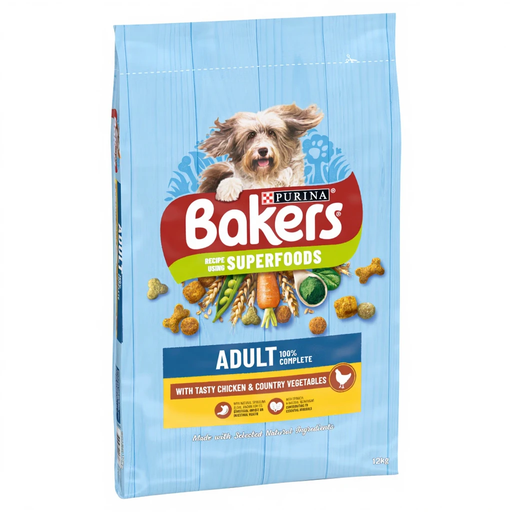
Why This Fits Their Persona: This is a complete and balanced food from a well-known brand, offered in a large 12kg bag that provides excellent value for money. It's a practical, no-fuss choice for owners who need to fuel their active adult dog daily without a premium price tag.
It focuses on providing 100% complete nutrition with wholegrains for energy, rather than relying on a single hyped ingredient. The packaging is clear about its composition, avoiding the "with chicken" illusion by being upfront.
A cost-effective solution for daily feeding in a large format. Contains added vegetables and spirulina to support digestion.
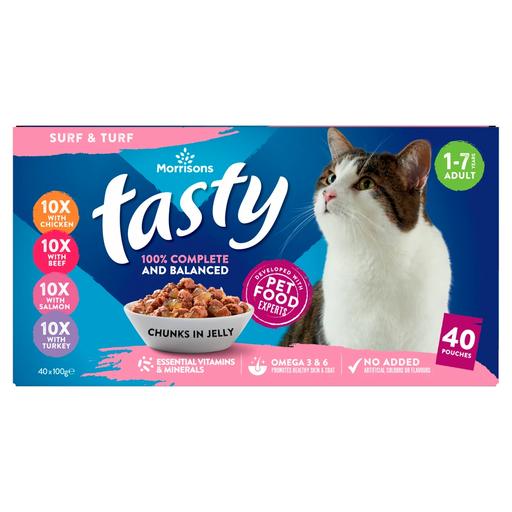
Why This Fits Their Persona: Fussy cats often crave variety. This bulk pack of wet cat food provides four different "surf and turf" flavours in jelly, keeping mealtimes interesting. The single-serve pouches are convenient and ensure freshness with every meal.
This product is transparent about its composition, stating the 4% named protein content for each flavour. It focuses on being a complete and balanced diet developed with pet food experts, rather than making vague "natural" claims.
Excellent flavour variety in a large multi-pack. Contains Omega 3 & 6 for skin and coat health, plus prebiotics for digestion.
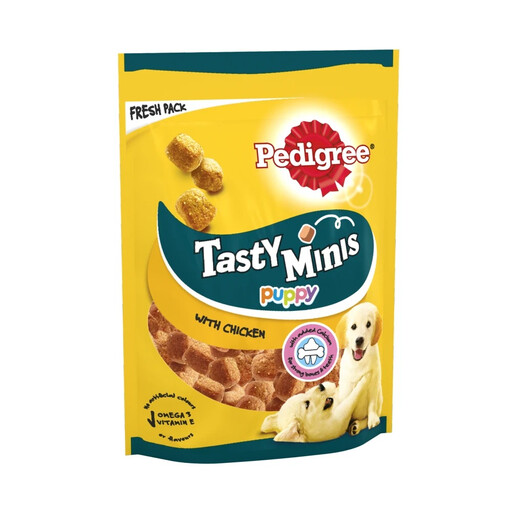
Why This Fits Their Persona: Training is a huge part of puppyhood. These dog treats are specifically designed for puppies, with a soft, chewy texture and small size. They are ideal for positive reinforcement without providing excessive calories.
Instead of being a generic treat, this product is tailored to a specific life stage. It addresses the core need of a growing puppy by being enriched with calcium for teeth and bones and Omega 3 for development.
Bite-sized and soft for young mouths. Fortified with vitamins, minerals and Omega 3 to support a puppy's health and vitality.
We have compiled a complete, real-time list of products that fully satisfy these strict selection criteria and UK safety regulations.
A sudden change in diet can cause digestive upset. It is recommended to transition your pet to a new food gradually over 7-10 days. Start by mixing a small amount of the new food (around 25%) with their old food (75%). Every couple of days, increase the proportion of the new food until you have fully switched over.
Neither is inherently "better"; they simply serve different purposes. Dry food is convenient, economical and its abrasive texture can help clean teeth. Wet food is excellent for increasing a pet's water intake and is often preferred by picky eaters. The right choice depends on your pet's individual needs, health status and preference. Many owners use a combination of both.
The feeding guide on the packaging is a good starting point, but it is only a guide. The ideal amount depends on your pet's age, breed, weight and daily activity level. A very active dog will require more calories than a sedentary one. Monitor your pet's body condition—you should be able to feel their ribs but not see them—and adjust portion sizes as needed. If you are ever unsure, your veterinarian can provide specific advice.