
24/7 Customer Support

Free returns

Same-day & Next-day Delivery

Quality Guaranteed

Unlock Your Welcome Offers: FREE Delivery | Up to 80% OFF | Free 30-day JoyPlus trial
Download the APP
As a nation of animal lovers, we want what’s right for our pets. Yet, navigating the aisles of pet food can feel overwhelming. With shelves packed with bold claims and confusing labels, it’s easy to fall into common purchasing traps. As the Joybuy Product Recommendation Officer, my role is to help you see past the marketing clutter and focus on what truly matters for your furry companion's diet.
This guide will walk you through the most frequent pitfalls UK pet owners face and break down the essential factors to check before you buy. We’ll look at how to read a label properly and what key nutritional terms actually mean for your pet’s health.
Choosing the right food is simpler when you know what to look out for. Many well-intentioned owners are swayed by marketing terms that sound impressive but offer little substance. Here are three common traps:
To make an informed choice, focus on these three core areas. They provide a clear, objective framework for comparing different products.
Ingredients are listed in order of weight, so the first few items make up the bulk of the food. Here’s what to look for:
This table on the back of the pack is your friend. It breaks down the nutritional content into simple percentages.
A one-size-fits-all approach doesn't work for pet nutrition. Always choose a product formulated for your pet's specific life stage and requirements.
Based on these principles, here are a few options from our range that are well-suited to different types of pet owners across the UK.
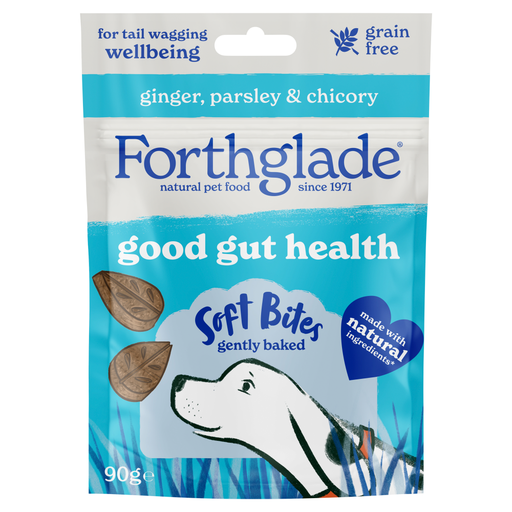
Why This Fits Their Persona: This is ideal for the UK pet owner who is actively looking for a treat that does more than just taste good. It's formulated to support a common concern—digestive health—making it a thoughtful choice for dogs with sensitive stomachs.
It avoids the "natural" hype by including specific, functional ingredients like ginger, parsley and chicory root. The grain-free recipe is purposeful, designed for sensitive digestion rather than just following a trend.
Features a high-quality protein source (26% chicken meal) and a soft-bite texture that can be easily broken for smaller dogs or for training purposes.
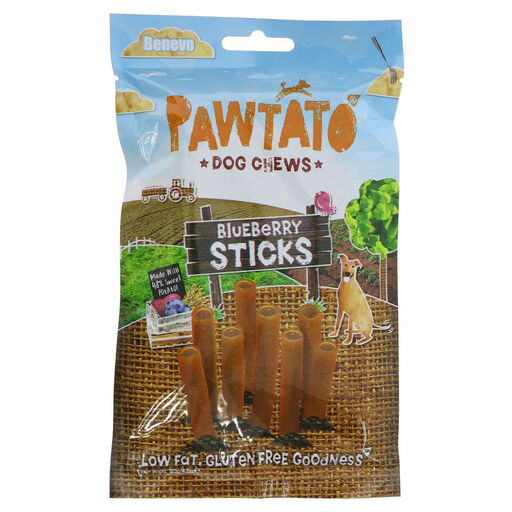
Why This Fits Their Persona: Perfect for the growing number of UK households with specific dietary ethics or dogs with severe food sensitivities. These vegan dog chews provide a safe, meat-free option without common allergens like wheat, soya or dairy.
This product is the opposite of vague. It clearly states what it is (plant-based) and what it's free from (meat, gluten, dairy etc.). This transparency directly counters the pitfall of unclear ingredient lists.
The base ingredient is organically grown sweet potato, and the formula is very low fat (0.5%). It's a simple, clean and ethical treat choice.
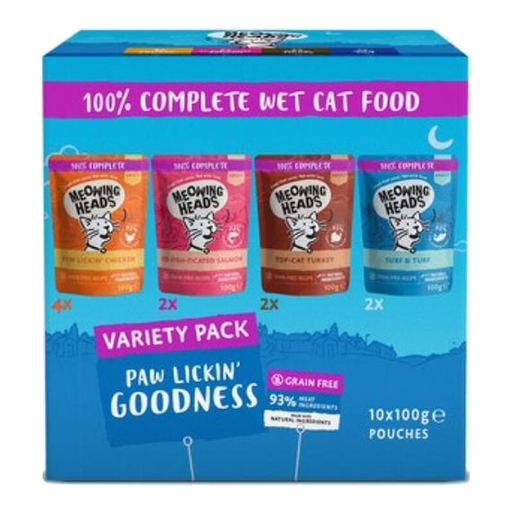
Why This Fits Their Persona: This cat food multipack is for the discerning cat owner who wants to provide a high-quality, varied diet. With four different recipes, it's great for preventing mealtime boredom and ensuring a high protein intake from real meat and fish.
It tackles the "vague meat" pitfall head-on by boasting a 93% meat and fish content, with specific fresh ingredients like "Fresh Deboned Chicken 43%" listed clearly. This is a level of transparency not often seen.
The recipes are grain-free and slow-cooked to preserve nutrients and flavour. Being veterinarian-approved and suitable for cats from 8 weeks old adds further confidence.
We have compiled a complete, real-time list of products that fully satisfy these strict selection criteria and UK safety regulations.
Here are answers to a few common questions UK pet owners have when choosing food.
The key is to do it gradually. A sudden change can cause digestive upset. Start by mixing a small amount of the new food (around 25%) with their old food (75%). Over the next 7 to 10 days, slowly increase the proportion of the new food while decreasing the old, until you have fully transitioned them over.
Neither is inherently "better"; they just have different benefits. Wet dog food and cat food have high moisture content, which is great for hydration. It's also often more palatable for fussy eaters. Dry food (kibble) is convenient, often more cost-effective and the crunchy texture can help with dental hygiene. The right choice depends on your pet's health needs, preferences and your lifestyle.
'Crude ash' is a term used in nutritional analysis that can sound alarming, but it's perfectly normal. It refers to the total mineral content in the food. To measure it, a sample is heated to a very high temperature, burning off the protein, fat and carbohydrates. The residue left behind is the 'ash'—a collection of essential minerals like calcium, phosphorus and zinc that are vital for your pet's health.