
24/7 Customer Support

Free returns

Same-day & Next-day Delivery

Quality Guaranteed

Unlock Your Welcome Offers: FREE Delivery | Up to 80% OFF | Free 30-day JoyPlus trial
Download the APP
Choosing pet food in the UK is not simply a matter of picking the most attractive packaging or the recipe with the longest list of ingredients. Your pet’s species, life stage, activity level, portion size and dietary needs all affect whether a product is suitable.
Marketing terms such as “natural”, “premium”, “grain-free” and “high meat” can be useful clues, but they do not replace checking the statutory product description, analytical constituents and feeding instructions. This guide explains the practical details to review before buying, followed by our top recommendations for 2026.
A complete pet food is formulated to provide the nutrients required when fed according to the label. A complementary product, such as many dog treats, is intended to be fed alongside a balanced main diet.
This distinction matters when comparing wet dog food, dry dog food, wet cat food and dry cat food. Treats should not quietly replace meals, even when they contain added vitamins or have an appealing nutritional profile.
Grain-free dog food may be appropriate for some households, but the absence of wheat, gluten or other grains does not automatically make a recipe suitable for every dog. Grain-free recipes often use alternatives such as potato, peas or maize, so read the full ingredients list.
For dogs with a sensitive stomach, introduce a new recipe gradually over around seven days where the label advises this. If your pet has recurring digestive problems, allergies or a diagnosed condition, ask a vet for individual dietary guidance rather than relying on front-of-pack claims.
A large multipack pet food box may offer convenience, but the useful comparison is the cost per 100g or per daily portion. Wet food contains substantial moisture, while dry food is more concentrated, so comparing a tray directly with a bag of kibble can give a misleading impression of value.
Also check opening instructions. Several wet recipes advise refrigerating unused food and using it within 24 to 72 hours. Buying more than your pet can consume safely may create waste rather than savings.
The label should clearly state whether the food is intended for:
For example, puppy food should not be selected solely because a young dog enjoys the taste. Butcher’s Puppy Perfect is labelled for puppies and provides feeding guidance by expected size and age. Go-Cat Kitten Dry Cat Food is labelled for kittens up to one year old and includes taurine among its listed nutritional additives.
Look for the statutory wording on the packaging, such as “complete pet food for adult dogs” or “complementary pet food for dogs over 8 weeks old”. This is more useful than relying on phrases such as “wholesome” or “premium”.
Wagg Low Fat Treats Turkey & Rice, for instance, is a complementary dog treat. Its listed fat content is 4%, but it should still be fed as a reward, with the main diet adjusted to account for extra calories.
The key figures usually include protein, fat, crude fibre, crude ash and moisture. These figures help you compare recipes within the same format, although they do not tell the entire nutritional story.
Check:
A product described as turkey pet food may also contain chicken, beef or other poultry. Read the composition carefully if you are trying to avoid a particular protein.
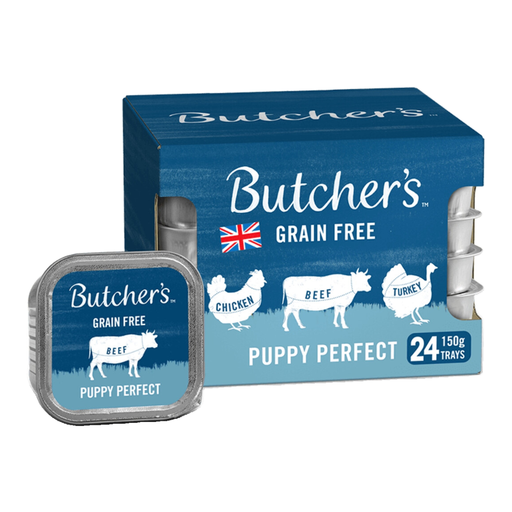
Why This Fits Their Persona: The 24-tray format gives new puppy owners individually portioned wet meals, with chicken, beef and turkey recipes for variety.
It is labelled complete and balanced for puppies, rather than being a complementary topper or treat.
Grain-free and gluten-free recipe; 24 x 150g trays; listed with salmon oil and prebiotics.
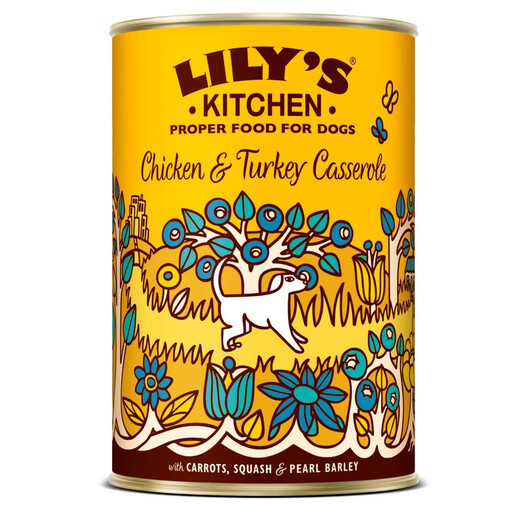
Why This Fits Their Persona: A single 400g wet meal suits owners who prefer an ingredient-led adult dog food with a casserole-style texture.
The composition specifies 45% fresh chicken and 15% freshly prepared turkey, allowing a clearer comparison than vague “meaty” wording.
Complete food for adult dogs; includes brown rice, pearl barley, vegetables, vitamins and chelated minerals.
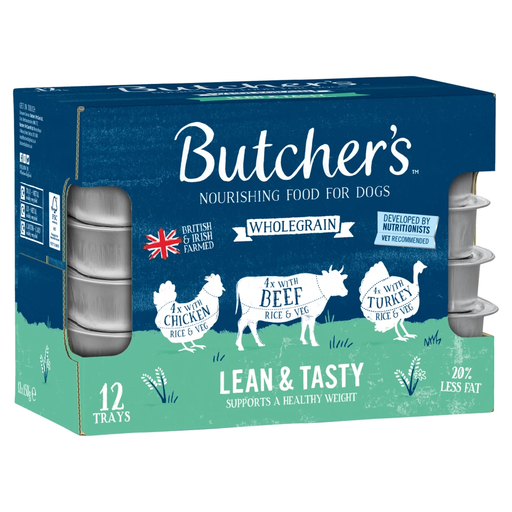
Why This Fits Their Persona: Designed for owners comparing low-fat dog food and convenient wet portions for dogs whose weight-management routine requires careful serving sizes.
The listing provides a 2.5% fat figure for the stated recipes and separate feeding guidance for maintenance and weight loss.
12 x 150g trays; includes rice and listed L-carnitine; portions can be adjusted when mixed with dry food.
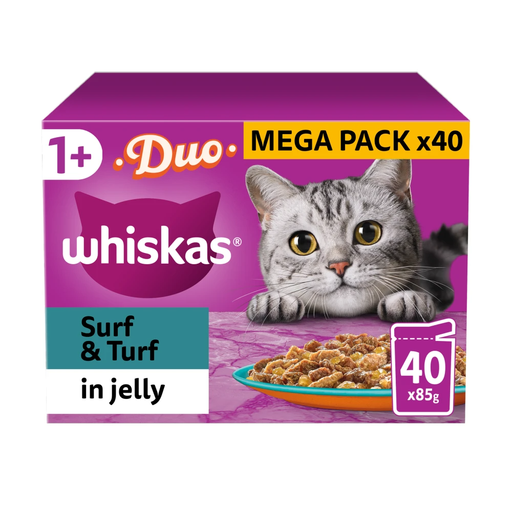
Why This Fits Their Persona: The 40-pouch multipack is practical for households feeding adult cats regularly and wanting several fish, chicken and turkey combinations.
The product is identified as complete wet cat food for adult cats, with feeding ranges stated for 3kg, 4kg and 5kg cats.
40 x 85g pouches; three listed flavour combinations; taurine and other nutritional additives included.
We have compiled a complete, real-time list of products that fully satisfy these strict selection criteria and UK safety regulations.
Dry food often has a lower cost per feeding because it contains less moisture and is energy-dense. Wet food can offer convenient pre-portioned serving sizes. Compare the recommended daily amount and price per 100g rather than pack price alone. Mixed feeding is possible when the portions are adjusted.
Follow the individual label. Several products in this guide advise refrigeration and use within two days, while some cat food products specify 24 hours. Keep unused portions covered and refrigerated, and serve at room temperature where instructed.
Yes, but treats are generally complementary rather than complete meals. Reduce the main meal if necessary, check the ingredients for allergens and avoid allowing treats to displace the balanced nutrition supplied by the principal diet.