
24/7 Customer Support

Free returns

Same-day & Next-day Delivery

Quality Guaranteed

Unlock Your Welcome Offers: FREE Delivery | Up to 80% OFF | Free 30-day JoyPlus trial
Download the APP
Navigating the world of pet food online can feel overwhelming. With endless options, flashy packaging and persuasive marketing, it’s difficult to know if you’re making the right choice for your furry family member. As a pet owner, you want to provide nourishing, safe and appropriate food, but it's easy to fall into common traps that lead to wasted money and unsuitable meals.
This guide, from your Joybuy Product Recommendation Officer, is designed to help you cut through the clutter. We’ll highlight the key pitfalls to avoid and show you what truly matters when selecting food for your dog or cat, ensuring you can buy pet food UK with confidence.
Before you add anything to your basket, be aware of these frequent marketing tactics and misunderstandings that can catch out even the most careful shoppers.
To make an informed decision, focus on these three non-negotiable parameters. They provide a reliable framework for comparing different products.
This section on the label is your most objective tool. It breaks down the nutritional content into key components:
A one-size-fits-all approach doesn’t work for pet food. Nutritional needs change dramatically with age and breed.
Always check the packaging for the phrase "complete pet food" or "complete and balanced." This confirms the food is designed to be your pet's sole daily diet. If it says "complementary," "treat" or "for intermittent feeding only," you know it's a snack and not a meal replacement.
To help you apply these principles, here are a few recommendations from our catalogue, matched to different owner profiles and needs.
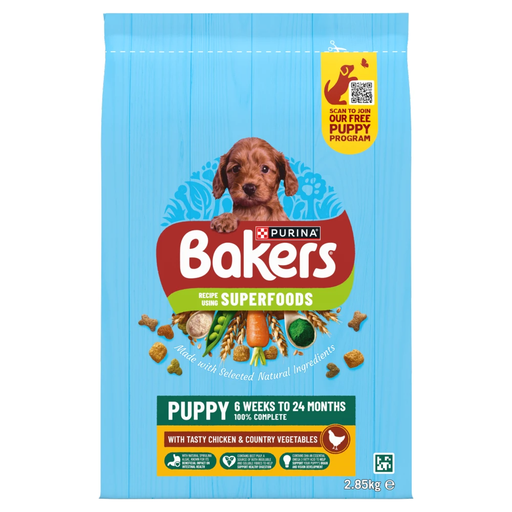
Why This Fits Their Persona: New puppy owners need a reliable, straightforward option that covers all the nutritional bases for a growing dog. This food is specifically designed for puppies, taking the guesswork out of feeding.
It is clearly labelled as a complete pet food for puppies, eliminating the risk of accidentally under-nourishing a young dog with a complementary food.
Contains DHA for brain and vision support, plus a high protein content (25%) for healthy growth and muscle development. The bite-sized kibble is ideal for small mouths.
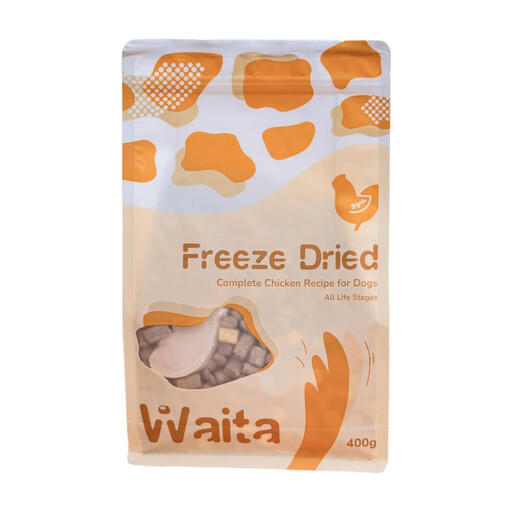
Why This Fits Their Persona: This owner prioritises minimal processing and a transparent, high-quality ingredient list. They are looking for food that closely mimics a natural diet with the convenience of a dry food.
It moves beyond vague "natural" marketing by providing a clear, whole-animal ingredient list (99% chicken meat, organs and bone). This is specific and verifiable.
Offers the nutritional benefits of a raw diet in a safe, convenient freeze-dried form. The single-protein recipe is excellent for dogs with sensitivities.
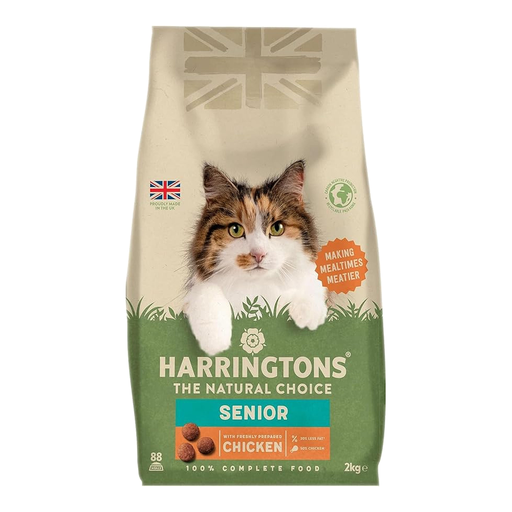
Why This Fits Their Persona: Owners of senior cats (7+ years) are looking for targeted nutrition to support ageing joints, digestion and overall health. This formula is tailored specifically for these needs.
This is a dedicated senior cat food, not a generic "all life stages" product. It directly addresses the changing needs of an older cat, avoiding the pitfall of using an unsuitable maintenance diet.
Includes glucosamine and chondroitin for joint support. The grain-free recipe with prebiotics can also be beneficial for the digestive systems of some senior cats.
We have compiled a complete, real-time list of products that fully satisfy these strict selection criteria and UK safety regulations.
Sudden changes in diet can cause digestive upset. The recommended method is a gradual transition over 7-10 days. Start by mixing a small amount of the new food (around 25%) with their old food (75%). Every couple of days, increase the proportion of the new food while decreasing the old, until you have fully switched over.
Not necessarily. Price can be an indicator of ingredient quality, but it's not the only factor. A mid-priced food with a clear ingredients list and a nutritional profile that suits your pet's specific needs is a far better choice than an expensive one that doesn't. Always read the 'Analytical Constituents' and ingredients list rather than relying on price alone.
Reputable manufacturers make this very clear. Look for the term "complete pet food" or "100% complete and balanced" on the front or back of the packaging. This is a regulatory term that assures you the food is formulated to be the main source of your pet's nutrition. If you don't see this phrase, assume the food is complementary.