
24/7 Customer Support

Free returns

Same-day & Next-day Delivery

Quality Guaranteed

Unlock Your Welcome Offers: FREE Delivery | Up to 80% OFF | Free 30-day JoyPlus trial
Download the APP
Buying pet food and treats online can be convenient, but attractive packaging and broad health language do not always tell you what is inside the pack. “Natural”, “high quality” and “with added vitamins” may sound persuasive, yet they should never replace checking the product’s intended use, composition, feeding instructions and pack size.
For UK households, the most common buying mistakes are straightforward:
A sensible purchase starts with the label, not the front-of-pack claims.
A complete and balanced pet food is intended to provide the required nutrients when fed according to the label. This is important when choosing adult cat food, senior cat food or dog food for regular meals.
Treats and forage products are different. Dog treats should generally be limited so they do not displace the main diet. The Morrisons dog treat information advises keeping treats to no more than 10% of a dog’s daily calorie intake and adjusting the main meal accordingly. It is also listed for adult dogs over 5kg, so it is not automatically suitable for puppies or smaller dogs.
For rabbits, guinea pigs and chinchillas, a forage bar is a supplementary treat, not a replacement for hay, species-specific food and fresh water. Burgess Excel forage bars provide around 29.5–30% crude fibre, but their instructions still state that they should be fed occasionally alongside a balanced diet.
A product titled poultry cat food may contain several poultry recipes, but the specific percentage matters. For example, the Whiskas poultry ranges list meat and animal derivatives at 35%, with the named chicken, turkey, duck or poultry making up 4% of the chunk in the stated recipes. This is more useful information than simply seeing a flavour photograph.
Likewise, meaty chunks in gravy or cat food in jelly may appeal to cats that prefer a particular texture. However, jelly and gravy are formats rather than guarantees of nutritional suitability. Check the wording on the pack to see whether the food is complete, which life stage it covers and how much to serve.
Feeding guides are starting points. A four-kilogram adult cat may be advised to eat approximately three to four 85g pouches daily, depending on the recipe and activity level. The stated guidance for senior pouches may differ, so do not assume that adult and senior products are interchangeable.
Large packs such as 40 x 85g pouches can reduce the frequency of shopping, while 12-pouch or six-can formats may be more practical if you are testing a new flavour. Once opened, follow the label’s refrigeration and use-by guidance. Keep dry goods in a cool, dry place and prevent pets or children from accessing packaging.
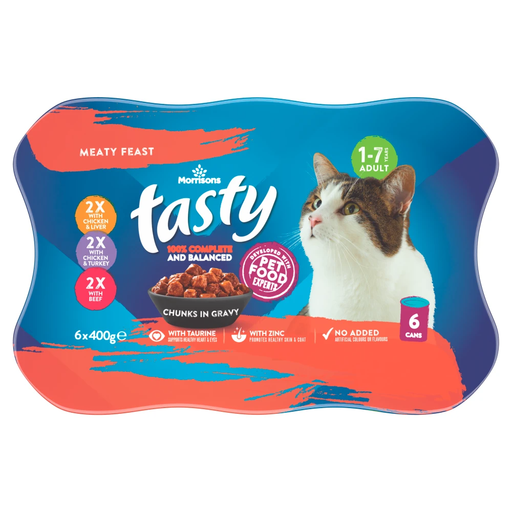
Why This Fits Their Persona: A six-can format is practical for households starting with wet cat food and wanting larger individual portions for an adult cat aged 1–7 years.
The listing identifies it as a complete and balanced adult food and provides a feeding guide, rather than presenting it only as a flavoured treat.
Six 400g cans; recipes include gravy, taurine and zinc according to the product information.
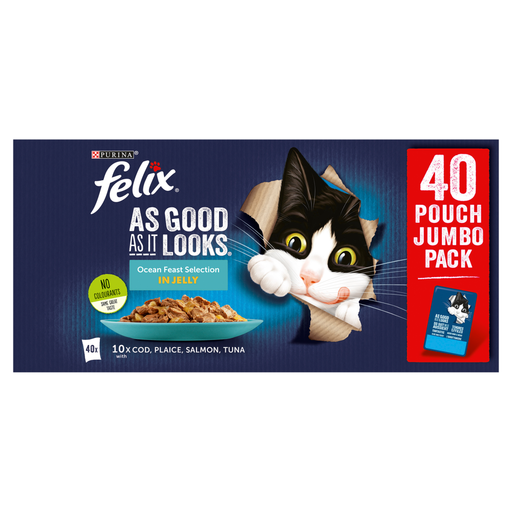
Why This Fits Their Persona: Suits owners who want a broad fish-flavour selection in individually portioned pouches for an adult cat.
The composition specifies cod, plaice, salmon and tuna recipes at 4% named fish in the relevant varieties, helping shoppers assess the flavour claim.
40 x 85g pouches; four fish recipes and stated taurine content.
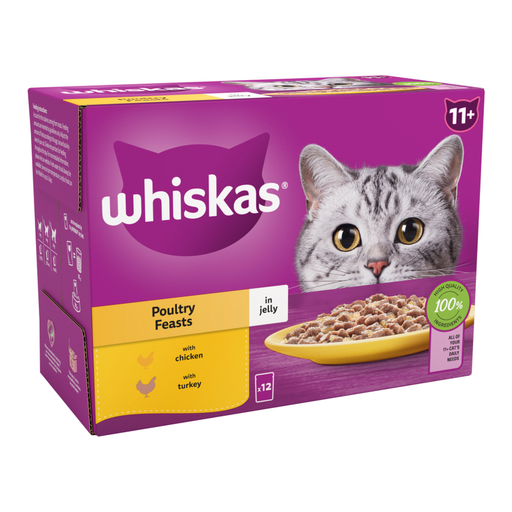
Why This Fits Their Persona: Designed for owners feeding a cat aged 11 or over who prefer smaller jelly portions and a recipe labelled for senior cats.
The age range is explicit, and the feeding table gives indicative daily pouch quantities for 3kg, 4kg and 5kg cats.
12 x 85g pouches; chicken and turkey recipes; the listing states 100% complete and balanced nutrition for senior cats.
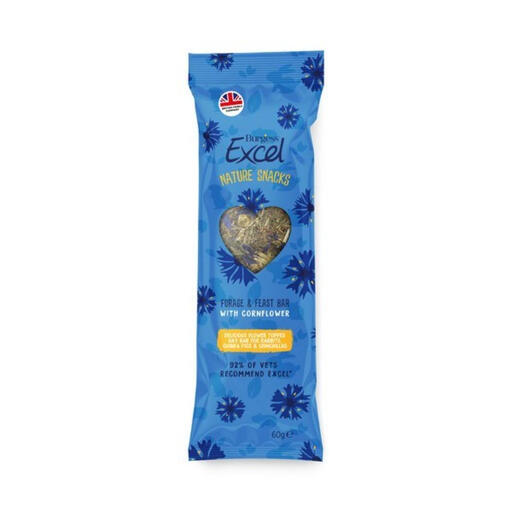
Why This Fits Their Persona: A small 60g option suits rabbit, guinea pig and chinchilla owners wanting an occasional enrichment treat without committing to a large pack.
It is clearly labelled as complementary, with instructions to provide unlimited hay and water rather than using the bar as a sole diet.
60g portion; approximately 30% crude fibre; suitable for rabbits, guinea pigs and chinchillas.
We have compiled a complete, real-time list of products that fully satisfy these strict selection criteria and UK safety regulations.
Some searches overlap with pet shopping, but products such as chocolate-coated almonds, dried prunes and mushroom hot pot ingredients are for people, not pets. Chocolate can be dangerous for dogs and cats, while nuts may present choking or digestive risks. Keep these items securely stored and check allergen information before serving them to people.
For example, the Forest Feast chocolate almond products contain almonds, milk or soya depending on the recipe. Dried prunes should be refrigerated after opening according to the listed instructions. The mushroom hot pot product contains soya and egg in its seasoning packet, with additional cross-contact information on the label.
Calculate the price per 100g, pouch or daily serving. A larger multipack may reduce packaging and shopping frequency, but only if your pet accepts the food and it can be stored correctly.
Yes. The product guidance commonly recommends transitioning over approximately seven days. Mix increasing amounts of the new food with the current recipe and monitor acceptance. For specific dietary concerns, ask a veterinary professional.
No. They are optional enrichment products. Hay should remain the main part of a rabbit or guinea pig diet, with fresh water and suitable everyday food. Offer treats in small quantities and follow the product label.