
24/7 Customer Support

Free returns

Same-day & Next-day Delivery

Quality Guaranteed

Unlock Your Welcome Offers: FREE Delivery | Up to 80% OFF | Free 30-day JoyPlus trial
Download the APP
As a Joybuy Product Recommendation Officer, my role is to help you navigate the crowded market of pet products. Keeping your furry companions well-groomed and your home clean is a priority for many UK pet owners, but choosing the right pet grooming supplies can be a challenge. Marketing claims often promise perfect results, but the reality can be disappointing and costly.
This guide cuts through the clutter. We will look at the common purchasing pitfalls that lead to wasted money and highlight the key features that genuinely make a difference, helping you find tools that are effective, safe and built to last.
Before you add anything to your basket, be aware of these frequent marketing traps that catch out even savvy shoppers:
To make an informed choice, focus on the functional specifications rather than the marketing buzzwords. Here are the non-negotiable parameters to check.
The effectiveness of a brush depends entirely on its design and your pet's coat type.
When selecting a cordless vacuum for pet hair or a mains-powered model, look beyond the headline suction number and check for these three features:
For at-home haircuts or tidying up paws and faces, the clippers' motor is as important as its blades.
Based on these practical criteria, here are some product recommendations tailored to specific UK pet owner profiles.
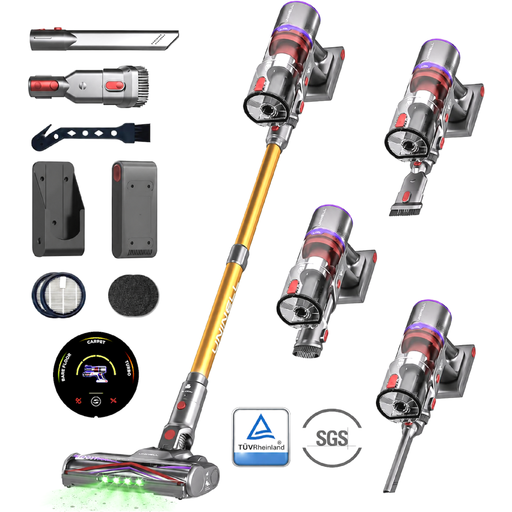
Why This Fits Their Persona: This user prioritises a clean home and needs a powerful, reliable tool to manage constant pet hair on carpets and hard floors. The cordless design offers the freedom to tackle stairs, cars and furniture without being tethered to a socket.
It directly counters the "suction power myth" with its certified anti-tangle technology, which is specifically designed to reduce hair wrap. This ensures suction remains consistent and effective, rather than dropping off due to clogs.
Features a 7-stage advanced filtration system to capture fine dust and pet dander. The long runtime of up to 65 minutes is suitable for whole-home cleaning.

Why This Fits Their Persona: This owner has a pet that is fearful of loud noises and the grooming process. Their priority is finding a tool that is quiet, safe and efficient, allowing them to perform quick touch-ups on sensitive areas like paws and faces with minimal stress.
This clipper avoids the "one-size-fits-all" pitfall by being a specialised tool. Its low-noise motor and compact size are specifically designed for detail work on nervous pets, unlike larger, louder clippers intended for full-body shearing.
Features a sharp but safe ceramic blade that stays cool and reduces the risk of snagging. The lightweight, mini design makes it easy to manoeuvre around delicate areas.
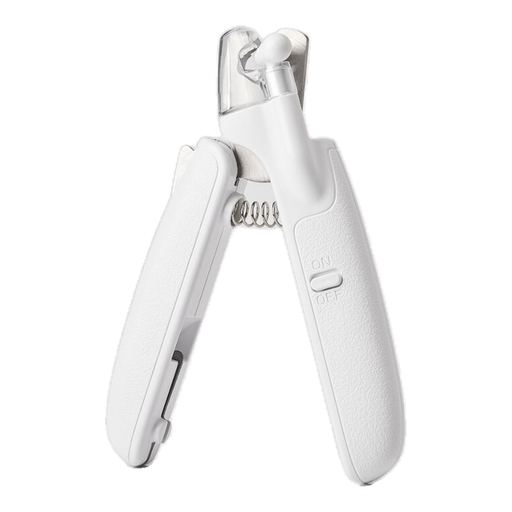
Why This Fits Their Persona: This user is confident with grooming but wants tools that offer precision and safety for tricky tasks like nail trimming. They appreciate thoughtful design features that reduce the risk of injury and make the job easier and cleaner.
It avoids the trap of unsafe, generic tools by incorporating a specific safety feature: a built-in LED light. This illuminates the nail, making the quick (the sensitive blood vessel) clearly visible and dramatically reducing the risk of painful over-cutting.
Features sharp stainless steel blades for a clean cut and a built-in nail shavings collector to prevent mess. The integrated file allows for smoothing sharp edges after trimming.
We have compiled a complete, real-time list of products that fully satisfy these strict selection criteria and UK safety regulations.
While a regular vacuum can pick up some hair, a dedicated pet hair vacuum is engineered specifically to handle the challenges of pet ownership. The key differences are a superior, clog-resistant anti-tangle brush roll that prevents hair from wrapping and an advanced HEPA filtration system to trap allergens like pet dander, which are often less robust in standard models. They also typically include specialised tools for cleaning upholstery and crevices where hair accumulates.
This depends on your pet's breed, coat type and lifestyle.
For pets with thick or long coats prone to shedding, a self-cleaning slicker brush is a worthwhile convenience. The main benefit is the ease of cleaning; with the press of a button, the bristles retract and the collected fur can be wiped away in one neat sheet. This saves time and keeps the brush working effectively, making it a practical upgrade from a standard slicker brush.