
24/7 Customer Support

Free returns

Same-day & Next-day Delivery

Quality Guaranteed

Unlock Your Welcome Offers: FREE Delivery | Up to 80% OFF | Free 30-day JoyPlus trial
Download the APP
As a pet owner in the UK, you know that keeping your furry companion happy and healthy is a top priority. You also know that this often comes with a flurry of fur on your furniture, clothes and floors. Regular grooming is essential not just for a tidy home, but for your pet's wellbeing—it prevents painful matting, reduces shedding and allows you to check for skin issues or parasites.
Navigating the world of pet grooming tools can be overwhelming. With so many brushes, combs and gadgets available, how do you choose the right one for your dog, cat or small furry? This guide is designed to help you understand the key features to look for, making it easier to select effective tools for your at-home grooming routine.
Before you add anything to your basket, consider a few key factors. A little thought now can save you from buying a tool that your pet dislikes or that simply doesn't work for their coat type.
Pets have vastly different coats, and a tool that works wonders on a short-haired Labrador might be ineffective or even uncomfortable for a long-haired Persian cat.
Are you battling the seasonal "shedding storm," or are you more concerned about preventing fleas? Your main objective will determine the most important tool in your kit.
If you have a heavy-shedding pet or simply want to contain the mess, a pet grooming vacuum kit could be a worthwhile investment. These systems combine various grooming attachments with a vacuum, sucking hair away as you brush. This dramatically reduces airborne fur and post-grooming cleanup, making the entire process more efficient.
Based on their features, versatility and user-friendliness, here are some standout options to consider for your grooming toolkit.
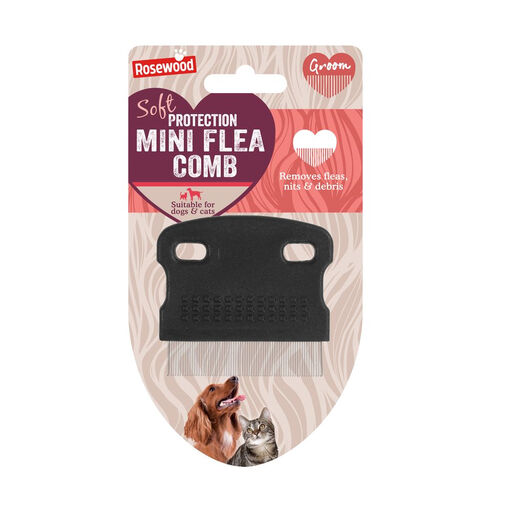
Why It Stands Out This comb is a simple yet highly effective tool for parasite control. Its finely spaced teeth are specifically designed to catch and remove not just adult fleas, but also their eggs (nits) and other fine debris from your pet's coat. Its compact size makes it easy to handle and manoeuvre around sensitive areas like the face, ears and tail base.
Pros
Who is it for? This is an essential tool for any pet owner who wants a straightforward, manual method for regular flea checks and removal. It's particularly useful for multi-pet households.
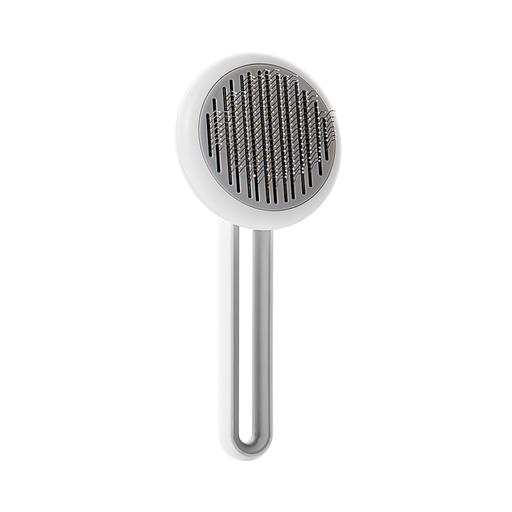
Why It Stands Out The PETKIT Grooming Brush 2 addresses a common frustration: cleaning the brush itself. With a one-touch cleaning button, it instantly retracts the bristles, allowing collected fur to be wiped away in a single sheet. The stainless steel bristles are bent at a 150° angle to penetrate the coat effectively, while the rounded rubber tips protect your pet's skin from scratching.
Pros
Who is it for? This is an ideal daily dog grooming brush or cat grooming tool for owners who want a quick, comfortable and easy-to-clean solution for managing moderate shedding and preventing tangles.

Why It Stands Out This is more than just a brush; it's a complete grooming station. The homerunPET Grooming Kit combines six different grooming attachments—including a deshedding brush, clipper and nozzle—with a powerful vacuum. As you groom, the vacuum's 12000Pa suction power collects loose hair directly into a large 1.85-litre dustbin, virtually eliminating mess.
Pros
Who is it for? This pet grooming vacuum kit is an excellent choice for owners of medium-to-large dogs or heavy-shedding breeds. It's for those who want a comprehensive, efficient and tidy solution to at-home grooming.
After ensuring your feline friend looks their absolute best, perhaps you're inspired to celebrate their elegance in other ways. For those who appreciate the beauty of cats in all forms, you might enjoy exploring our curated collection of cat paintings.
1. How often should I groom my pet? This depends on their coat type, breed and lifestyle. Long-haired and double-coated pets often require daily brushing to prevent mats, while short-haired pets may only need it once or twice a week. Regular grooming sessions of 5-10 minutes are often more effective than infrequent, long ones.
2. What is the difference between a pet deshedding tool and a regular brush? A regular brush (like a slicker or bristle brush) is designed for general grooming, detangling the topcoat and removing surface-level loose hair. A pet deshedding tool is specifically engineered with fine teeth to reach through the topcoat and safely remove the dense, loose hair from the undercoat, which is the primary source of shedding.
3. Are pet grooming vacuums noisy? Some models can be, but many modern pet grooming vacuum kits are designed with noise reduction in mind to keep pets calm. It's always a good idea to introduce the device to your pet slowly. Let them sniff it while it's off, then turn it on for short periods at a distance before you begin grooming, offering treats and praise to create a positive association.