
24/7 Customer Support

Free returns

Same-day & Next-day Delivery

Quality Guaranteed

Unlock Your Welcome Offers: FREE Delivery | Up to 80% OFF | Free 30-day JoyPlus trial
Download the APP
Pet hair can quickly collect on carpets, hard floors, sofas and clothing, while loose fur may contribute to knots if it is not removed from your pet’s coat regularly. The right pet hair removal products can reduce daily cleaning effort, but not every item advertised for pet owners is equally suitable.
This guide explains the features worth checking before buying, common marketing pitfalls and which products may fit different household routines.
A high suction figure can be useful, but it does not tell you how well a machine handles corners, furniture edges or tangled hair. A robot vacuum for pet hair also needs effective navigation, a brush design that limits hair wrap and a dustbin that is practical to empty.
For example, a robot vacuum and mop may collect loose fur while also wiping hard floors, but the mopping function is not intended to replace manual cleaning of heavily soiled areas. Check the full feature set rather than focusing on one headline number.
A slicker brush for small dogs may be suitable for short-to-medium coats and minor mats, but a delicate or curly coat may require a different grooming approach. Fine bristles can cause discomfort if used with excessive pressure, particularly around the face, paws and ears.
Look for clear guidance on the intended animal, coat type and brushing method. A cat grooming brush, dog grooming brush and small pet grooming brush may look similar, but their size, bristle arrangement and handling requirements can differ.
Pet hair removal products need regular cleaning to continue working effectively. A vacuum roller can collect hair around its ends, while a manual brush can become clogged between the bristles. If cleaning the tool is awkward, it may be used less often.
Features such as a self-cleaning mechanism, removable filters or an anti-tangle pet hair brush design can make routine maintenance more manageable. However, they do not eliminate the need to inspect and clean the product.
For a pet hair vacuum cleaner, compare the stated suction figure with the brush system and floor suitability. The eufy G50 Hybrid, for instance, specifies 4,000Pa suction, a roller brush and an anti-tangle design. It is intended for both carpets and hard floors.
If you are considering a robot model, dynamic navigation is also important. Systematic path planning can help the machine cover a room more consistently than random movement. App scheduling, no-go zones and voice control may be useful in homes where pet bowls, toys or litter trays need to be avoided.
For grooming tools, check:
Always brush in the direction of hair growth and use lighter pressure on sensitive areas. Stop if your pet shows signs of discomfort.
A robot vacuum should have enough battery capacity for the area you want to clean. The G50 Hybrid lists up to 120 minutes of run time and returns to its charging station when its battery is low or cleaning is complete.
For any automated cleaner, consider where the charging station will sit, whether the dustbin is easy to access and how often the mop module needs washing. For manual products, check whether collected hair can be removed quickly without pulling bristles loose.
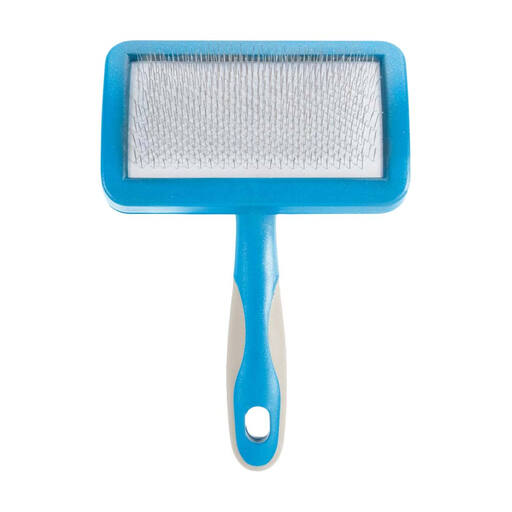
Why This Fits Their Persona: This compact, single-purpose brush suits owners who want a straightforward grooming tool for small dogs and small-haired cats without adding powered equipment to their routine.
Its intended use is clearly focused on small pets and short-to-medium fur, helping avoid choosing an oversized brush for delicate, compact areas.
Approximately 60g, with rounded-tip stainless-steel bristles and a compact non-slip handle.
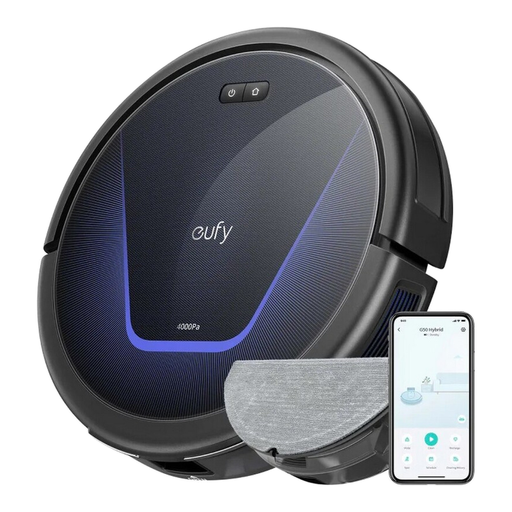
Why This Fits Their Persona: Suitable for busy UK households seeking scheduled floor cleaning, app control and combined vacuuming and mopping on hard floors.
It combines stated suction, dynamic navigation and an anti-tangle brush rather than relying on suction power alone.
4,000Pa suction, up to 120 minutes of listed run time, app scheduling and a water-tank mopping module.
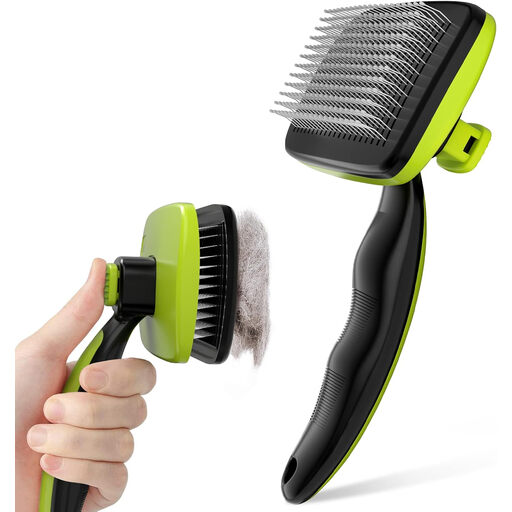
Why This Fits Their Persona: A practical choice for owners grooming dogs, cats, rabbits and other small animals regularly, especially when quick brush cleaning is a priority.
The one-touch retractable bristles address the maintenance problem, while the instructions identify coat types for which it may not be suitable.
89g ergonomic design, 135° stainless-steel bristles and a self-cleaning button.
We have compiled a complete, real-time list of products that fully satisfy these strict selection criteria and UK safety regulations.
A combination usually works more effectively than one product alone. A robot vacuum for pet hair can handle scheduled floor cleaning, while a manual pet grooming tool removes loose fur at the source. For hard floors, a robot vacuum and mop may also reduce the need for separate dry and damp cleaning, provided the mop module is maintained.
The suitable frequency depends on your pet’s coat, shedding pattern and tolerance. Start with gentle, short sessions and follow the product guidance. Small slicker brushes are commonly used several times per week for suitable coats, with more frequent brushing during shedding periods. Do not force the brush through tight mats or continue if your pet appears uncomfortable.
Empty the dustbin regularly, clean filters as instructed and remove hair from the roller and side brushes. Keep the charging station accessible and use no-go zones to prevent the robot from repeatedly becoming trapped. Replacing consumable parts when they are worn can also help preserve cleaning performance and prevent avoidable strain on the machine.