
24/7 Customer Support

Free returns

Same-day & Next-day Delivery

Quality Guaranteed

Unlock Your Welcome Offers: FREE Delivery | Up to 80% OFF | Free 30-day JoyPlus trial
Download the APP
Choosing pet supplements for dogs and cats can feel straightforward until you compare ingredient lists, dosage instructions and bold claims on the packaging. A product may look good value but provide little information about active ingredients, or it may be difficult to give consistently once your pet loses interest.
This guide explains the practical checks that can help UK pet owners compare dog supplements, cat supplements and targeted formulas for digestion, skin and coat, immunity and heart health.
“Complete wellbeing” is a wide description. It does not tell you whether a product is intended to provide omega oils, digestive bacteria, vitamins or another type of nutritional support. Start with one clear goal, such as a dog gut health supplement, dog skin and coat supplement or pet immune support supplement.
If your pet has persistent diarrhoea, vomiting, weight loss, changes in appetite, breathing difficulties or ongoing skin problems, speak to a vet rather than relying on a supplement.
A long ingredient list is not automatically more useful. Check whether the label identifies the relevant ingredients and their quantities. For example, a probiotic product should identify the bacterial strain and, where available, its viable count. A heart-support powder may list nutrients such as taurine or Coenzyme Q10, but the recommended amount still matters.
Be cautious with products that use phrases such as “detox”, “instant cure” or “guaranteed results”. Supplements should not be presented as replacements for veterinary diagnosis or prescribed treatment.
A syrup, powder, tablet and chew each suit different routines. Syrups can be measured and added to food or water, while powders are often convenient for wet meals. Chews may work for pets that enjoy treats but can be unsuitable for animals with ingredient sensitivities or strict calorie control.
For multi-pet households, also check whether the product is suitable for both species. A formula for dogs should not automatically be given to cats unless the label clearly states that cats are included.
Look for a clear statement covering dogs, cats, life stage and weight range. Some products are suitable for adult animals but not puppies or kittens. Others carry warnings for pregnancy, lactation or existing medical conditions.
Read the full product label before ordering. In the UK, complementary feed and supplement labelling should provide practical information such as composition, feeding instructions, storage guidance and relevant warnings. Keep the packaging available after purchase in case you need the batch or manufacturer details.
A useful supplement should provide an understandable serving schedule based on body weight, species or age. Avoid guessing from a human supplement or using a dog’s dosage for a cat.
For example, the Wellpaws skin and coat syrup lists 5 ml for pets weighing 1–10 kg, increasing to 20 ml for those weighing 30–45 kg. Its label also says to use the opened bottle within 120 days and warns that it is not suitable for pregnant or lactating bitches.
Match the formula to the purpose:
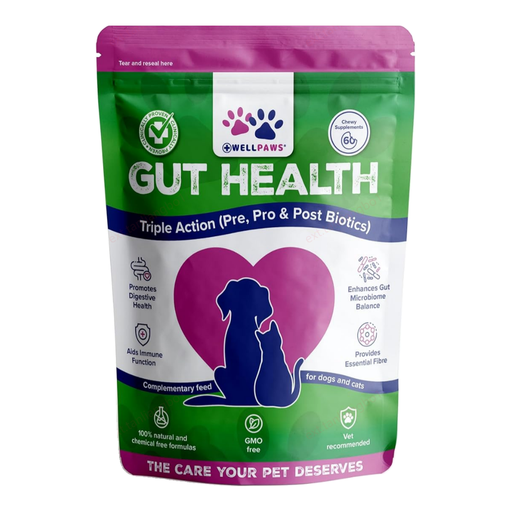
Why This Fits Their Persona: A straightforward option for owners beginning a daily digestive routine across dogs and cats, with no mixing or preparation required.
The label identifies Bacillus Coagulans, Diamond V XPC yeast culture and Fibrulose prebiotic fibre, rather than relying only on a general digestive-health description.
Suitable for dogs and cats of all life stages; the chew format can be given directly as a treat. Dosage varies by species and weight.
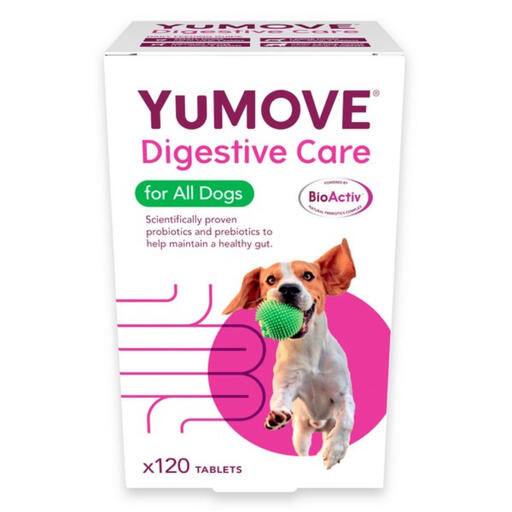
Why This Fits Their Persona: Designed for dog owners who prefer a measured tablet format and a clearly stated combination of probiotic and prebiotic ingredients.
The product specifies Enterococcus faecium and lists scFOS, MOS and beta-glucans, helping buyers compare the formula beyond front-of-pack wording.
120 tablets; suitable for dogs over 3 months, with daily amounts set across four weight groups.
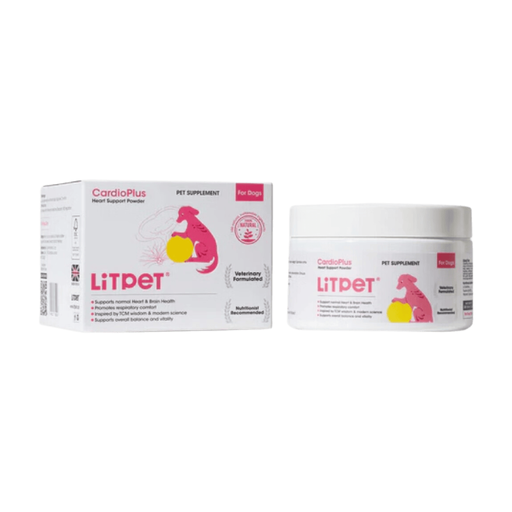
Why This Fits Their Persona: A targeted dog heart health supplement for owners seeking a powder that can be measured into food rather than administered as a tablet.
The label states the amounts for Coenzyme Q10 and taurine and gives weight-based serving guidance. It also advises veterinary consultation for dogs with heart disease or taking medication.
200 g powder; includes taurine, Coenzyme Q10 and L-carnitine; mixes with food or warm water below 40°C.
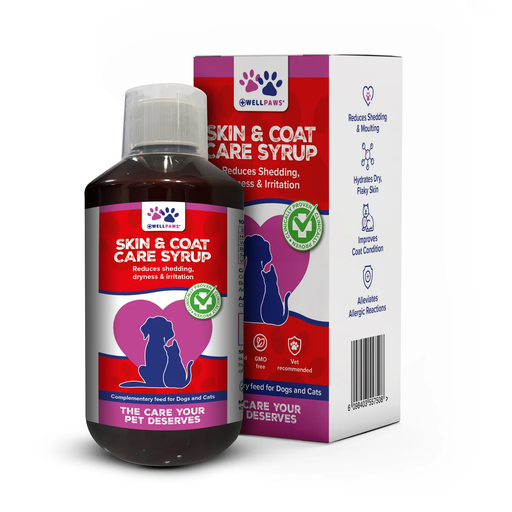
Why This Fits Their Persona: Suitable for households with both dogs and cats that want one liquid format which can be added to food, mixed with water or given directly.
It identifies salmon oil, hydrolysed salmon protein and hydrolysed collagen, while providing separate weight-based dosage ranges rather than a single generic serving.
300 ml bottle; labelled for dogs and cats of all life stages; includes vitamins C and D1. Check suitability for allergies and the pregnancy warning before use.
Introduce a new supplement gradually where the label permits, and monitor whether your pet accepts the flavour and format. Do not stack several products containing the same vitamins, minerals or oils without checking the combined intake.
Compare cost per daily serving, not just the pack price. A larger tub may not be better value if the recommended dose is high or the product expires soon after opening. Store syrups, powders and chews according to the label, seal containers promptly and keep them away from children and other animals.
For senior pets, animals with sensitive stomachs or pets taking prescribed medicines, ask your vet about ingredient suitability before starting daily supplements for dogs and cats.
We have compiled a complete, real-time list of products that fully satisfy these strict selection criteria and UK safety regulations.
Not every pet requires a supplement. A complete, balanced diet may already provide the nutrients your animal needs. Daily use is appropriate only when the product label supports it and the formula fits your pet’s diet, age and circumstances. Ask a vet if you are addressing a recurring health concern.
The lifespan varies by product and storage conditions. Some syrup and chew products specify use within 120 days of opening, while other products refer owners to the label. Record the opening date, keep the container sealed and store it away from heat and moisture.
Only when the packaging clearly states that it is suitable for cats as well as dogs. Species have different nutritional requirements, and some ingredients or dosages may not be appropriate. Always follow the species-specific directions and seek veterinary advice if uncertain.