
24/7 Customer Support

Free returns

Same-day & Next-day Delivery

Quality Guaranteed

Unlock Your Welcome Offers: FREE Delivery | Up to 80% OFF | Free 30-day JoyPlus trial
Download the APP
Choosing pet toys can look simple until a toy splits, loses its appeal or proves unsuitable for your pet’s size and play style. UK households also need to consider indoor noise, washable materials, charging requirements and safe supervision.
Several common marketing traps can lead to wasted money:
The right choice depends on your pet’s size, bite strength, preferred activity and whether the toy will be used indoors, outdoors or as part of treat enrichment.
Material affects durability, comfort, cleaning and noise. A natural rubber dog toy is often suitable for chewing, fetching and food enrichment because it can be firm while offering some flexibility. Check whether the product is intended for chewing, rather than assuming every rubber toy is suitable for prolonged biting.
Plush products, including a squeaky plush dog toy or soft dog toy, are generally more appropriate for gentle play, carrying and supervised fetch. Look for clear warnings about aggressive chewers, exposed filling and damaged squeakers. Cotton fabric, polyester filling and plastic sound components should be checked regularly once the toy has been used.
For cats, polyester plush, silicone components and small electronic motors can create engaging movement, but these toys require closer inspection than a simple fabric toy. Stop use if stitching tears or internal parts become accessible.
A toy should be large enough that your dog or cat cannot swallow it, but still comfortable to carry, grip or bat. For dogs, compare the toy’s dimensions with the pet’s mouth and body size. A dog chew toy with recessed treat openings may offer more engagement than a smooth object, while a lightweight dog fetch toy can be easier to carry.
The Beco chew bones listed below measure 17.5 x 4.9 x 5.4 cm. This gives you a useful reference point, but suitability still depends on the individual dog. Puppies, small breeds and larger dogs may need different shapes and proportions.
For cats, a mouth-sized toy can support batting and carrying, but supervise play with any small or moving item. Remove loose accessories, damaged fabric or unsecured catnip pouches.
A washable toy is more practical in homes where pets play outdoors or use toys with food. Check the care instructions before buying: some plush toys can be machine washed, while rubber toys may be cleaned with warm water.
A treat-dispensing dog toy can use food enrichment to make play last longer, but remember to account for treats in your pet’s daily diet. Rechargeable products avoid repeated disposable batteries, although they require charging and safe cable storage. With a rechargeable cat toy, keep the USB cable away from pets and follow the charging instructions supplied with the product.
For UK households, also consider noise. Quiet rubber toys and indoor pet toys may be more suitable for flats, shared homes or evening play than loud hard plastic products.
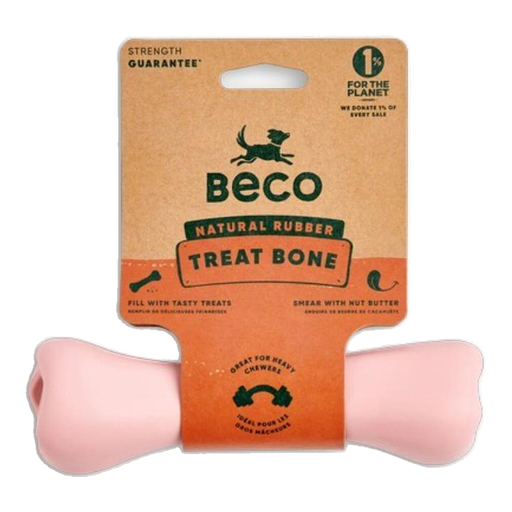
Why This Fits Their Persona: A versatile starting point for dog owners wanting one toy for treats, indoor play and walks without buying separate products for each activity.
It does not rely on a single novelty feature: the two ends accept pastes, dry treats or baked snacks, and the rubber is described as quiet for indoor use.
Thick natural rubber; fillable ends; stated size of 17.5 x 4.9 x 5.4 cm; suitable for quiet indoor enrichment.
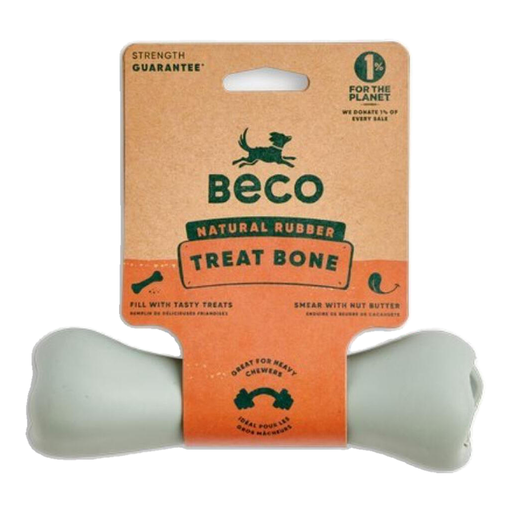
Why This Fits Their Persona: Suits owners prioritising a substantial material, multi-use design and a quieter option for regular home play.
The product information identifies the material and use cases clearly, rather than making an unsupported indestructibility promise. Regular inspection remains necessary.
Natural rubber construction; two treat-filling ends; pastel green finish; designed for chewing, enrichment and fetching.
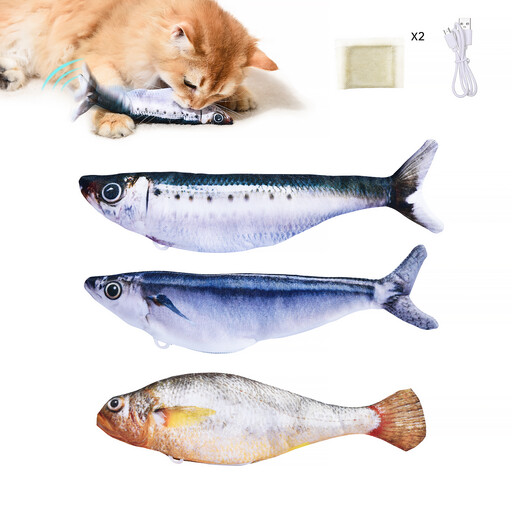
Why This Fits Their Persona: Designed for indoor cat owners seeking active play, changing movement and repeat use from a rechargeable set.
The set specifies three movement patterns, tap activation, USB Type-C charging and supervision requirements, making ongoing use easier to assess.
Three fish toys; bionic tail movement; included catnip; rechargeable lithium battery; USB Type-C cable.
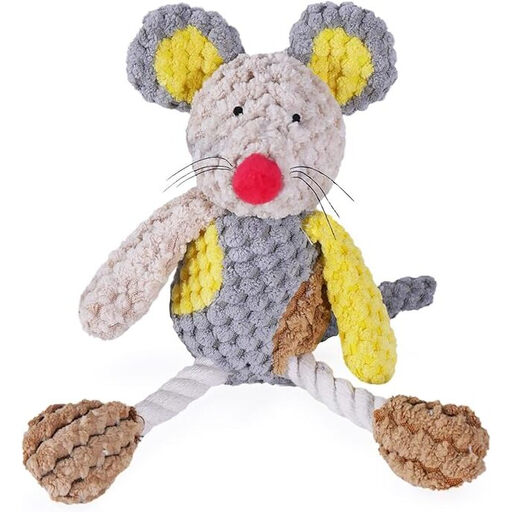
Why This Fits Their Persona: A compact option for medium breeds and gentle indoor play, particularly where a soft texture and washable fabric are useful.
It clearly states that the toy is not suitable for aggressive chewers and provides instructions to remove it if filling or the squeaker becomes exposed.
Cotton material; hidden squeaker; rope legs; machine-washable care instructions; intended for supervised play.
We have compiled a complete, real-time list of products that fully satisfy these strict selection criteria and UK safety regulations.
There is no fixed lifespan. Gentle-use plush toys may remain usable for longer than toys subjected to daily chewing, while rubber can eventually show bite marks or cracks. Inspect each toy before use rather than relying on an advertised durability period.
Their ongoing cost is generally linked to electricity and eventual battery replacement or product replacement, rather than disposable batteries. Charge according to the instructions, keep cables away from pets and discontinue use if the casing or battery area is damaged.
Safety depends on the dog’s size, bite strength and supervision. A suitably sized rubber chew toy with no cracks or detached pieces may be appropriate for some dogs, while plush designs are better reserved for gentle play. No toy should be treated as indestructible.