
24/7 Customer Support

Free returns

Same-day & Next-day Delivery

Quality Guaranteed

Unlock Your Welcome Offers: FREE Delivery | Up to 80% OFF | Free 30-day JoyPlus trial
Download the APP
Buying pet toys can seem straightforward until a chew toy splits, a puzzle loses its appeal or a small animal ignores an expensive accessory. For UK pet owners, the right choice depends less on bright colours and bold packaging claims and more on species, materials, dimensions and supervision needs.
This guide explains the main buying pitfalls and highlights suitable options for dogs, cats, rabbits, guinea pigs, hamsters and other small animals.
No toy is suitable for every chewing style. A soft plush toy may work well for gentle indoor play but is unlikely to withstand an aggressive chewer. Similarly, a rubber toy can offer resistance without being completely damage-proof.
Always check the recommended species, breed or weight range. Inspect toys before and after use, particularly if your pet attempts to remove pieces, swallow fragments or chew through seams.
A toy that is too small may present an ingestion or choking risk, while an oversized product can be difficult for a smaller pet to carry, grip or move. This is especially important when comparing dog chew toys, rabbit toys and hamster toys.
Look for stated measurements and compare them with your pet’s mouth size, enclosure and normal playing style. For small animals, avoid accessories that could trap a paw, head or body.
Interactive mechanisms can add variety, but not every cat or dog enjoys movement, sound or charging routines. Electronic toys also need battery care, safe cable storage and regular inspection for exposed components.
A simple treat dispenser, chewable material or forage-friendly design may provide more consistent engagement than a complicated product. Consider how often you will realistically recharge, clean and rotate the toy.
For dogs, natural rubber dog toy designs can provide a firm but slightly flexible surface for chewing and fetching. Check whether the toy is intended for gentle, moderate or strong chewers. Thick construction and moulded forms may be more practical than thin seams or glued decorations.
For rabbits, guinea pigs and other herbivorous small animals, natural wood, willow and loofah are commonly used in chew products. Avoid toys with loose coatings, sharp splinters or easily detached parts. Product descriptions should identify the material and suitable species.
Plush products are generally more appropriate for carrying, tossing and softer play rather than sustained chewing. A squeaker can attract attention, but remove the toy if the fabric tears or the internal component becomes accessible.
A useful toy should be easy for the intended animal to interact with. A treat toy for a small or medium-sized dog needs an opening that can hold food without encouraging excessive frustration. For cats, a bite-sized catnip fish toy may be easier to bat and carry than a large object.
For enclosure-based pets, choose a product that leaves enough room for normal movement. Hanging items should be secured so they cannot fall onto the animal or create a loop hazard.
Dog treat toys and food-filled chew toys should be cleaned according to the product instructions. Food residue can become unpleasant or unhygienic if left inside a toy. Warm water may be suitable for some rubber products, while electronic toys normally require surface cleaning only.
Dental chew toys should not be treated as a replacement for a pet’s normal dental care routine. Textured surfaces may provide a brushing-like chewing action, but owners should still monitor oral health and seek veterinary advice for concerns.
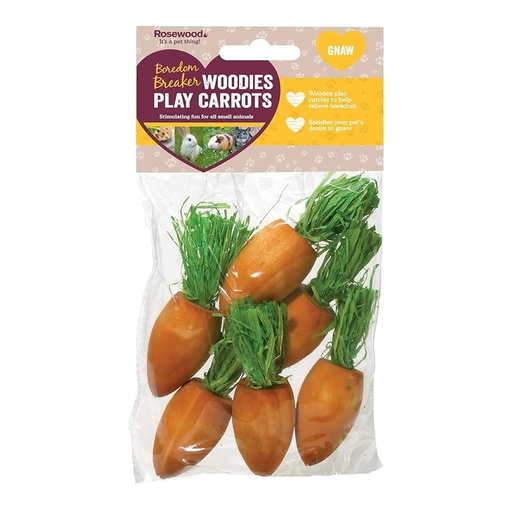
Why This Fits Their Persona: A three-piece set gives owners of rabbits, guinea pigs, chinchillas and other small animals a straightforward way to add chewable enrichment without electronic parts or charging.
The natural wood design avoids unnecessary electronic features and offers a visible, replaceable chew option for cage-based enrichment.
Three carrot-shaped pieces; made with natural wood and vegetable-based dyes.
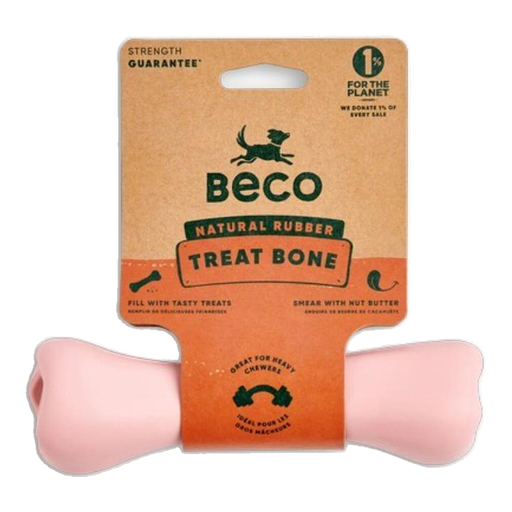
Why This Fits Their Persona: Suitable for dog owners wanting one product that supports indoor play, outdoor retrieval and food-based enrichment.
Its stated dimensions are 17.5 x 4.9 x 5.4 cm, and the two fillable ends make the function clear rather than relying on vague boredom-relief claims.
Thick natural rubber; accepts pastes and dry treats; designed for quieter indoor play.
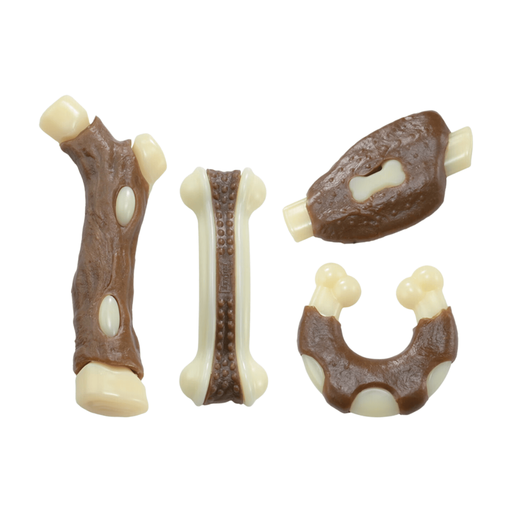
Why This Fits Their Persona: Owners of small to medium dogs who want several shapes and textures for rotation may find a four-piece set more practical than relying on one chew toy.
The listing specifies moderate chewers up to approximately 15 kg and clearly excludes aggressive chewers, helping owners avoid a size and durability mismatch.
Four varied designs; textured TPR surfaces; can be rinsed with warm water and mild soap.
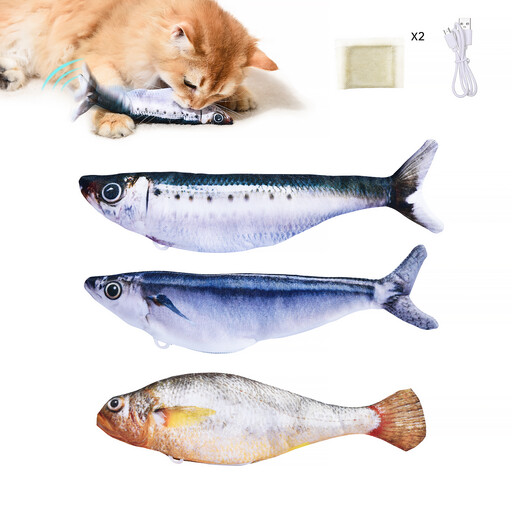
Why This Fits Their Persona: Cat owners looking for movement-based engagement can offer three fish toys with tap activation and rechargeable operation for indoor play.
The product specifies USB Type-C charging, three movement patterns and supervision requirements, so owners can assess the running routine before buying.
Three fish toys in one set; catnip included; tap-activated movement and rechargeable batteries.
Rotation is often more useful than leaving every toy available at once. Keep two or three options accessible and store the remainder for later. You can alternate between:
Introduce unfamiliar products gradually. Remove any toy that becomes cracked, heavily worn, torn or contaminated. Treats should remain complementary to a balanced diet, and product feeding directions should be followed.
We have compiled a complete, real-time list of products that fully satisfy these strict selection criteria and UK safety regulations.
There is no universal lifespan. Replacement depends on material, chewing intensity and how often the toy is used. Inspect products regularly and replace them when cracks, loose pieces, exposed filling, damaged seams or significant wear appear.
The toy itself may be reusable, but the ongoing cost comes from the food placed inside. Use part of your pet’s normal daily ration where appropriate, rather than adding frequent high-calorie treats. Always consider the product’s opening size and cleaning requirements.
Look for species-labelled rabbit toys, guinea pig toys or other small-animal products made from clearly identified materials such as natural wood, willow or loofah. Avoid unsuitable dog or cat toys unless the manufacturer specifically states they are appropriate for the animal’s size and behaviour.