
24/7 Customer Support

Free returns

Same-day & Next-day Delivery

Quality Guaranteed

Unlock Your Welcome Offers: FREE Delivery | Up to 80% OFF | Free 30-day JoyPlus trial
Download the APP
As a nation of animal lovers, we want nothing more than to see our pets happy, engaged and stimulated. The right pet toys are crucial for their well-being, but navigating the market can be a challenge. Shelves are filled with products that promise endless fun, yet many end up ignored in a corner or, worse, destroyed within minutes. Before you spend another pound on a toy that disappoints, it's worth understanding the common pitfalls that lead to wasted money and potential safety risks.
Many UK pet owners find themselves caught in a cycle of buying and replacing toys. This often stems from a few recurring issues:
To make a smart purchase, you need to look beyond the flashy packaging. Focusing on a few core parameters will help you select a toy that is safe, durable and genuinely engaging for your specific pet.
The material is the single most important factor for any pet toy. Your pet will be chewing, licking and carrying it, so safety is paramount.
A one-size-fits-all approach doesn't work for pet toys. A toy must be designed to cater to the unique instincts and physical abilities of the animal.
Finally, consider what you want the toy to achieve. Is it for comfort, solo play or interactive fun?
To help you find the right fit, we've matched a few products from our collection to specific pet owner profiles, keeping the key selection criteria in mind.
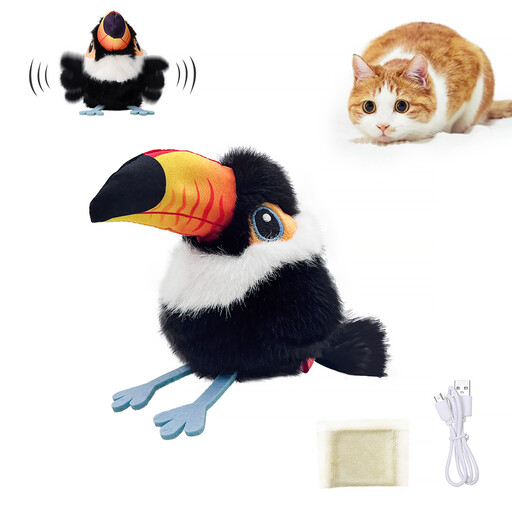
Why This Fits Their Persona: This is for the owner who wants to provide their indoor cat with high-tech stimulation. The combination of movement and sound is designed to keep even clever cats from getting bored, making it a great solution for preventing inactivity.
It avoids the "gimmicky smart toy" pitfall by using a patented motor to create dynamic, fluttering wing movements and realistic sounds that directly mimic prey, triggering a cat's natural hunting instincts far more effectively than a simple laser dot.
Features convenient USB-C charging and an integrated catnip pouch for instant attraction. The materials include recycled ABS plastic and food-grade silicone wings.
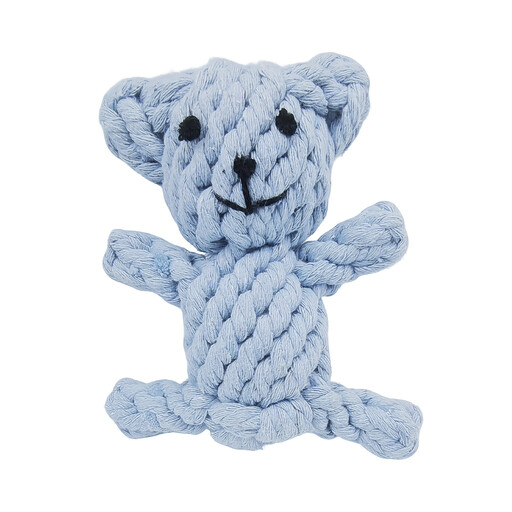
Why This Fits Their Persona: Ideal for someone bringing home a new puppy or for owners of small, gentle breeds. This toy serves as both a plaything for gentle fetch and a comforting companion, which can help reduce anxiety during settling-in periods or at bedtime.
This toy sidesteps the "indestructible" myth by being clearly positioned for gentle to moderate play. It also avoids the "unsafe materials" trap by using soft plush fabric, non-toxic dyes and an eco-friendly recycled cotton filling that is gentle on developing teeth.
Its lightweight construction makes it easy for small dogs to carry. The soft, huggable design provides comfort and a sense of security, making it more than just a plaything.
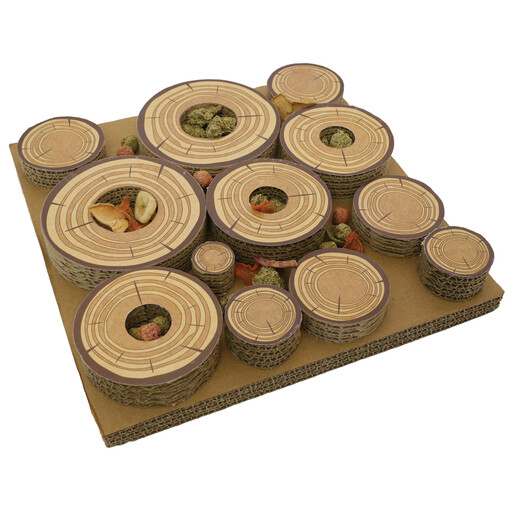
Why This Fits Their Persona: Perfect for the dedicated owner of a rabbit, guinea pig or hamster who understands the importance of mental enrichment. This toy turns feeding time into a stimulating challenge, helping to prevent boredom and stress in their pet's habitat.
This is the opposite of a passive, unengaging toy. It directly encourages natural foraging instincts by requiring pets to nuzzle and explore to find treats. It is made from pet-safe wood, avoiding the risk of toxic materials found in cheaper plastic alternatives.
The log-shaped maze design mimics a natural environment, helping to reduce stress. It is refillable and can be used repeatedly with various treats, offering long-lasting value and entertainment.
We have compiled a complete, real-time list of products that fully satisfy these strict selection criteria and UK safety regulations.
There is no fixed timeline, as it depends on the toy's material and your pet's play style. The key is regular inspection. Check toys weekly for signs of wear and tear, such as cracks, loose threads or detached parts. Plush toys should be discarded if the stuffing becomes exposed. Hard chew toys should be replaced if they are worn down to a size that could be swallowed.
They can be, provided you choose wisely. The value of a smart pet toy lies in its ability to provide meaningful, non-repetitive stimulation that mimics natural behaviours. Look for features like randomised movements, quiet operation and durable, pet-safe construction. A simple, well-designed interactive toy is often more effective than a complex gadget with features your pet will ignore.
For chewers, look for 100% natural, non-toxic rubber. For plush toys, ensure the fabric is durable (like cotton canvas) and any dyes are vegetable-based or confirmed to be non-toxic. For small animal toys, natural, untreated woods (like pine or willow), seagrass and hay are excellent choices as they are safe for gnawing. Always avoid toys with small, glued-on parts that can be easily ingested.