
24/7 Customer Support

Free returns

Same-day & Next-day Delivery

Quality Guaranteed

Unlock Your Welcome Offers: FREE Delivery | Up to 80% OFF | Free 30-day JoyPlus trial
Download the APP
Choosing pet treats can seem straightforward until you compare ingredient lists, textures, age guidance and feeding instructions. A low-priced bag may not suit a puppy, while a treat marketed as “natural” may still be high in calories or unsuitable for a sensitive pet.
For UK dog and cat owners, the practical aim is simple: choose a complementary treat that matches your pet’s species, age, size, eating habits and intended use.
Words such as “natural”, “tasty” and “premium” do not tell you whether a product is suitable for your pet. Check the composition, analytical constituents and feeding guidance instead.
For example, a treat described as “with chicken” may contain a relatively modest stated percentage of chicken. The ingredient list gives a clearer picture of what is included and in what order.
Dental dog treats and cat dental treats can complement regular care, but they should not be viewed as a substitute for appropriate brushing or veterinary advice. Similarly, calming dog treats may be intended for quiet moments, but they are not a medical treatment for anxiety.
Look for clear wording such as complementary pet food, age suitability and daily limits. Treats should generally remain within around 10% of daily calorie intake, with the main diet adjusted when necessary.
A hard chew may not suit a puppy, senior pet or small breed. Conversely, a soft treat may be unsuitable for an owner looking for a long-lasting dog chew.
Always check the recommended age, supervise feeding and select a size that your pet can manage. Break puppy treats and soft dog treats into smaller pieces where the packaging advises this.
Dog treats and cat treats are not interchangeable. Some products are suitable for dogs aged two months or more, while others are only intended for adult dogs or cats.
For young animals, check the minimum age carefully. The products in this guide include options for puppies from two or four months and cat treats for kittens over eight weeks or three months, depending on the product.
If you are looking for natural pet treats, grain-free pet treats or snacks for sensitive digestion, read the complete ingredients panel rather than relying on the front of the pack.
Useful comparisons include:
Cats may respond well to salmon cat treats or chicken cat treats, but flavour preference should not override age, portion and dietary suitability.
Choose the format according to the occasion:
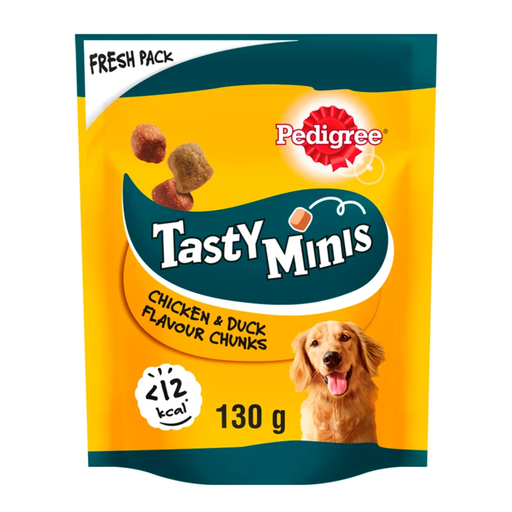
Why This Fits Their Persona: Bite-sized cubes offer a familiar, versatile format for everyday rewards, bonding and basic training across different dog sizes.
The pack provides ingredient, analytical and calorie information, helping owners compare portions instead of relying on “tasty” wording alone.
130g pack; bite-sized chewy cubes; contains stated chicken and omega-3 fatty acids.
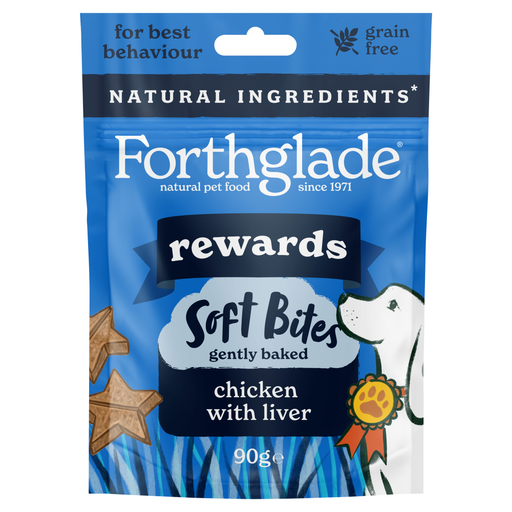
Why This Fits Their Persona: Owners who prefer a grain-free recipe and clear training-focused format can break these soft bites into smaller rewards.
Its soft-bite format makes portion control more practical than using large biscuits during repeated training sessions.
Contains 34% stated chicken; grain-free recipe; suitable for dogs aged two months and over.
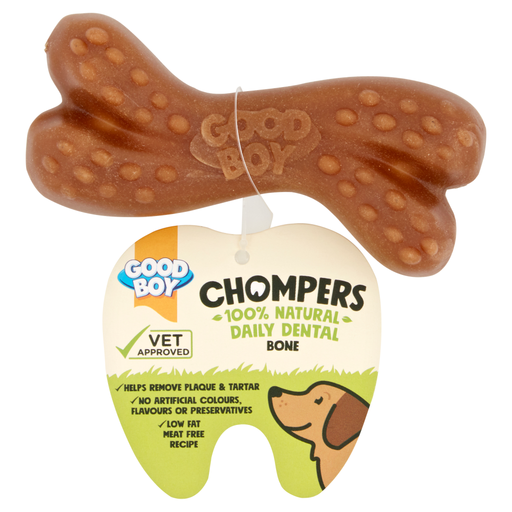
Why This Fits Their Persona: Dogs that enjoy chewing may suit a daily dental-style chew, provided they are over four months and supervised.
The product states a low 2% fat content and a clear one-chew-per-day direction, making routine use easier to manage.
Meat-free recipe; no artificial colours, flavours or preservatives declared; designed for chewing.
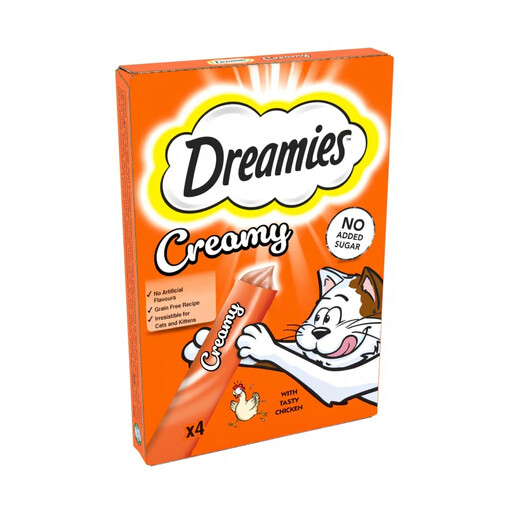
Why This Fits Their Persona: A creamy, hand-fed format suits owners who want a measured bonding treat or occasional meal topper for cats.
Single-serve sachets and a stated maximum of one sachet daily help prevent uncontrolled portions.
Grain-free recipe; contains chicken and taurine; can be served by hand, in a bowl or as a topper.
We have compiled a complete, real-time list of products that fully satisfy these strict selection criteria and UK safety regulations.
Use the product’s feeding guide and keep treats within approximately 10% of daily calories unless a veterinary professional advises otherwise. Smaller pets may need only tiny portions, particularly with calorie-dense treats.
No. Dental dog treats and cat dental treats may support a regular oral-care routine, but they do not replace brushing, routine checks or veterinary advice. Choose an appropriate size and supervise chewing.
Look for products with a clearly stated minimum age and a texture that is easy to chew. Soft puppy treats can be broken into smaller pieces, while kitten treats should be specifically labelled for kittens or the relevant life stage.