
24/7 Customer Support

Free returns

Same-day & Next-day Delivery

Quality Guaranteed

Unlock Your Welcome Offers: FREE Delivery | Up to 80% OFF | Free 30-day JoyPlus trial
Download the APP
Pet treats can support rewarding, enrichment and routine bonding, but attractive packaging does not always reveal whether a product suits your animal. The right choice depends on species, ingredients, texture, portion size and how the treat fits into the main diet.
For UK pet owners, the most common buying mistakes are easy to avoid once you know what to check.
A product may use words such as natural, wholesome or grain-free, yet still be a complementary food rather than a balanced meal. Grain-free pet treats are not automatically suitable for every animal, and a natural small animal treat can still be too rich if offered too often.
Check the composition and feeding guidance rather than relying on front-of-pack wording. For rabbits and guinea pigs, high-fibre forage should remain central to the diet, while treats should be offered in controlled amounts.
A crunchy biscuit may not suit a young puppy, senior dog or cat that prefers licking. Equally, a hard chew or gnaw toy may be unsuitable for an animal with dental problems.
Soft-bite treats can be broken into smaller portions, while lickable cat treats offer a different feeding format. Always supervise unfamiliar chews, particularly during the first use, and follow age recommendations on the packaging.
Calming dog treats, dog calming supplements and dental chews may be useful additions to a routine, but they are not substitutes for a balanced diet, dental care or veterinary advice. Products containing botanicals, amino acids or vitamins should be used according to the label. Speak to a vet before introducing supplements if your pet is pregnant, nursing, taking medication or has an existing condition.
Start with the label’s target animal. Cat treats are formulated differently from dog treats, while rabbit treats and guinea pig treats should reflect herbivorous diets. Some products are intended only for adult animals; others specify a minimum age, such as dogs from two months or cats from three months.
Avoid sharing treats between species unless the packaging clearly confirms suitability. Ingredients that are acceptable for one animal may not be appropriate for another.
Look beyond promotional claims and check:
UK pet food packaging should provide information such as composition, feeding instructions, net quantity and responsible business details. Use the label as the final reference, especially where online descriptions and packaging may differ.
A small pack is not necessarily economical if the product must be given frequently. Compare the number of servings, sachets or pieces, not just the total weight. Individually portioned products can reduce waste and help manage intake.
For dogs, treats are commonly recommended to remain within a proportion of daily calories. One featured soft-bite product advises keeping treats to 10% of daily calorie intake. Reseal dry products, refrigerate only when the label instructs you to do so, and use opened wet or soft products within the stated period.
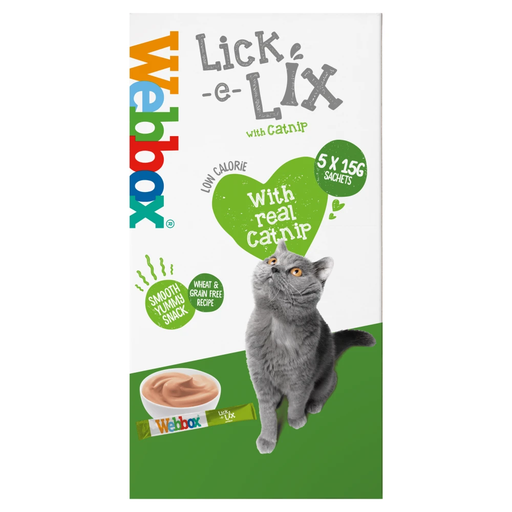
Why This Fits Their Persona: A straightforward option for cat owners wanting individually portioned rewards for everyday bonding, meal topping or occasional use.
The 15g sachets make portions visible, while the stated 8.5 kcal per sachet helps owners account for treats rather than guessing.
Smooth lickable texture; wheat- and grain-free recipe with real catnip.
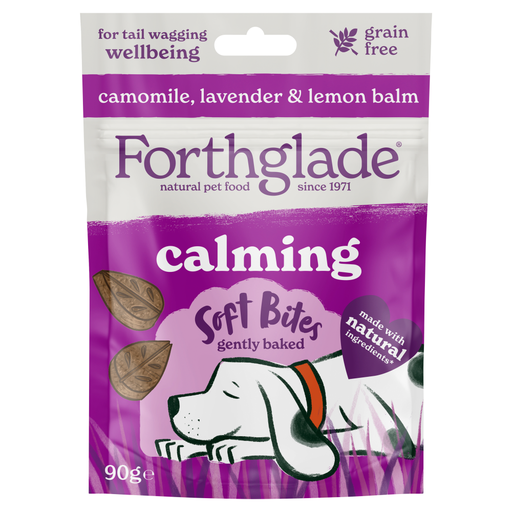
Why This Fits Their Persona: Suitable for dog owners who prefer a soft, breakable format for bedtime routines, quiet moments or smaller breeds.
The ingredient list identifies the botanical blend and 15% turkey meal, rather than relying only on a vague calming claim.
Grain-free soft bites; resealable 90g pouch and breakable pieces.
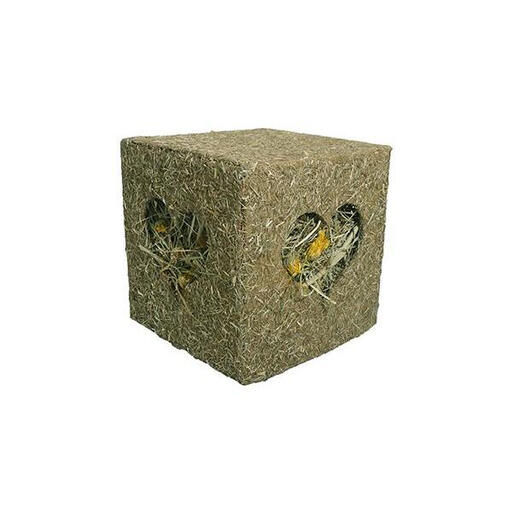
Why This Fits Their Persona: A practical enrichment choice for rabbit, guinea pig and chinchilla owners seeking a longer-lasting forage activity.
It combines a forage treat with a gnaw format, avoiding a short-lived snack that provides little engagement.
30% crude fibre; cube format encourages chewing and foraging.
Calming dog treats and cat treats marketed for relaxation should be viewed as occasional complementary foods, not guaranteed solutions for anxiety or behavioural difficulties. Compare active ingredients, serving guidance and age restrictions. Products containing valerian, chamomile, lemon balm or similar botanicals should be introduced gradually and monitored.
For a wider selection of formats, ingredients and pack sizes, browse the calming treats category.
We have compiled a complete, real-time list of products that fully satisfy these strict selection criteria and UK safety regulations.
Follow the product’s feeding guide and reduce the main meal if necessary. As a general approach, treats should remain a small part of the daily intake. Consider your pet’s age, weight, activity level and existing diet, and ask a vet for guidance if weight management is difficult.
Some are designed for frequent small rewards, but they are still complementary foods. Check calorie content, ingredients and the recommended amount. A 15g sachet can be used directly or as a food topper, but opened portions should be consumed according to the label.
Their teeth grow continuously, so fibrous hay and a suitable daily diet are important. Forage treats and chew products can add enrichment, but they should not replace hay. Avoid hard items if your pet has known dental problems, and supervise new products during initial use.