
24/7 Customer Support

Free returns

Same-day & Next-day Delivery

Quality Guaranteed

Unlock Your Welcome Offers: FREE Delivery | Up to 80% OFF | Free 30-day JoyPlus trial
Download the APP
Buying pet treats seems simple until you compare ingredients, portion sizes, textures and feeding instructions. A low price can hide a small pack, while phrases such as “natural”, “dental” or “long-lasting” may not explain whether the product suits your pet’s age, weight or chewing habits.
The most useful approach is to match the treat to its purpose: training, occasional reward, dental-style chewing, enrichment or a small snack. This guide highlights common buying traps and practical checks for dogs, cats, rabbits and other small animals.
Most dog treats, cat treats and small animal treats are complementary pet foods, not meal replacements. They should be given alongside a complete, balanced diet. Feeding too many can add more calories than expected, particularly when several family members reward the same pet throughout the day.
Check the feeding guide and reduce the main meal where necessary. For example, some chew products provide a stated percentage of a dog’s weekly energy requirement per chew, so the number of pieces matters more than the packet size alone.
Low-fat dog treats can be useful for owners monitoring daily intake, but “low fat” does not mean calorie-free. Recipes may still contain cereals, sugars, glycerol or other energy sources. Look for the crude fat percentage, energy information where available and the recommended serving size.
For comparison, the listed Adventuros sticks contain 2.5% crude fat, while the Wagg Tasty Bones listing gives 4%. These figures are useful only when considered alongside the portion size and the rest of your dog’s diet.
A large chew is not automatically suitable for a large dog, and a small chew may be swallowed quickly by an enthusiastic eater. Rawhide dog chews, dental dog chews and long-lasting dog chews require supervision because broken or oversized pieces can create choking or digestive risks.
Always check the product’s recommended animal size and age. Remove a treat if it becomes small, splintered, excessively worn or difficult for your pet to handle.
Start with the label’s suitability statement. Puppy treats may have a minimum age, while adult dog chews may not be suitable for puppies. For example, the Pedigree JUMBONE Mini products are designed for specified small-to-medium dog weights and are not suitable for puppies under four months. Other dental products are intended for adult dogs over nine months and within a particular weight range.
For cats and kittens, the Webbox Tasty Sticks are listed for cats and kittens from 12 weeks. Rabbit treats and other small animal treats should be checked for species suitability rather than shared casually between rabbits, guinea pigs, hamsters or chinchillas.
Read beyond the flavour on the front of the packet. Check:
A “beef flavour” product may contain relatively little beef, so the composition is more informative than the flavour name. If your pet has a diagnosed allergy or a prescribed diet, ask a veterinary professional before introducing a new treat.
Choose the format according to how you intend to use it:
Individual wrapping, resealable packaging and total net weight are practical value indicators. A multipack also helps separate daily portions and maintain freshness.
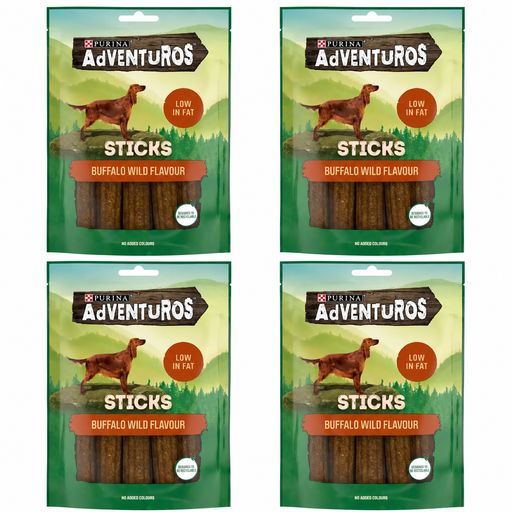
Why This Fits Their Persona: The four-pack format provides 480g in total for households using dog treats regularly during walks, training or everyday rewards.
The total contents and crude fat figure are clearly stated, making the bundle easier to compare than a packet that only highlights flavour.
Four 120g packs; chewy stick format; 2.5% crude fat listed; no added artificial colours according to the product details.
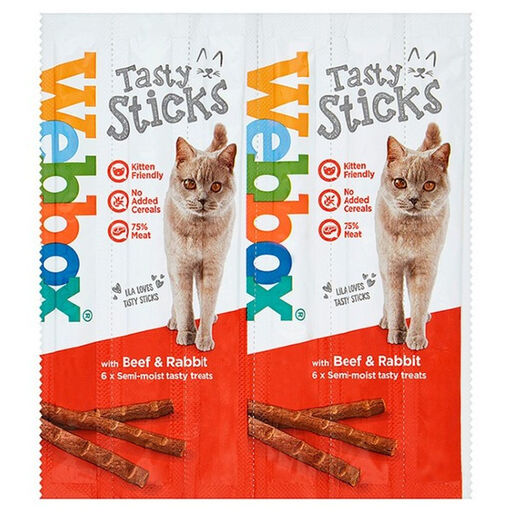
Why This Fits Their Persona: Cat owners who prioritise a moist, meat-focused reward may appreciate the individually wrapped sticks for portion control and freshness.
The listing states the meat composition, calorie content per stick and minimum kitten age, rather than relying only on a flavour description.
Six individually wrapped treats; 16.5 kcal per stick; suitable for cats and kittens from 12 weeks; no added cereals.
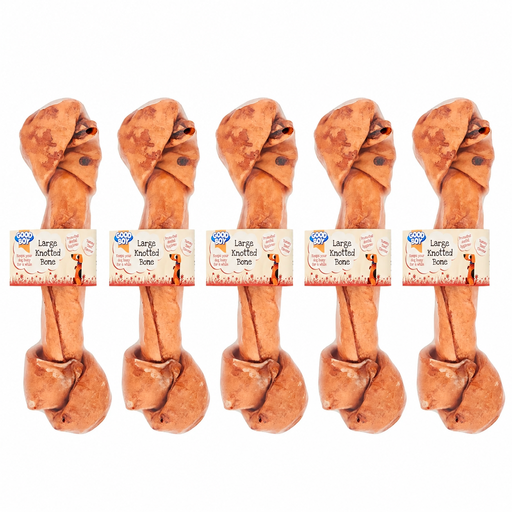
Why This Fits Their Persona: Owners of medium or large dogs seeking a firm, extended chewing format may prefer a five-piece multipack.
The product specifies large knotted bones and advises removing large broken pieces, helping owners plan supervision instead of treating the chew as risk-free.
Five 100g pieces; rawhide composition stated; 80% crude protein and 2% crude fat listed; designed for supervised chewing.
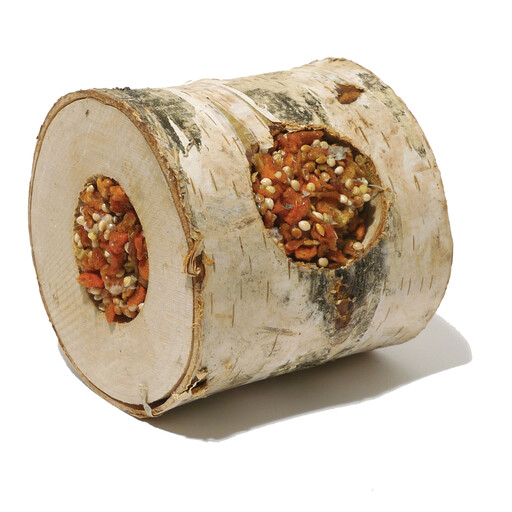
Why This Fits Their Persona: Owners of rabbits, guinea pigs, chinchillas and similar pets can combine edible enrichment with a natural gnawing activity.
It is presented as a complementary treat and gnaw toy, with instructions to supervise and replace it once damaged or fully consumed.
Suitable for several listed small-animal species; carrot filling; no artificial flavours, colours or preservatives stated.
We have compiled a complete, real-time list of products that fully satisfy these strict selection criteria and UK safety regulations.
There is no single amount for every dog. Follow the packet’s feeding guide, consider your dog’s weight, age and activity and reduce the main meal if required. Treats should remain a modest part of the daily diet. Dogs that swallow quickly need closer supervision and an appropriately sized format.
No. Dental-style chews may provide mechanical chewing action, but they do not replace regular dental care or veterinary advice. Choose the correct size, supervise your dog and remove damaged pieces. Avoid products containing ingredients your dog cannot tolerate.
They can offer a lower cost per pack or piece, but value depends on whether the treats remain fresh and are used within the storage guidance. Multipacks suit multi-pet households or regular training, while smaller packs may reduce waste for occasional treat users.