
24/7 Customer Support

Free returns

Same-day & Next-day Delivery

Quality Guaranteed

Unlock Your Welcome Offers: FREE Delivery | Up to 80% OFF | Free 30-day JoyPlus trial
Download the APP
Choosing pet treats can seem simple until you compare ingredients, textures, feeding instructions and species suitability. A colourful pouch or “natural” label does not automatically make a snack suitable for your pet. The right choice depends on why you are buying it, how often it will be offered and whether it fits your animal’s normal diet.
This guide explains the main buying pitfalls, the product details worth checking and our top recommendations for dogs, cats, rabbits and small animals.
Natural pet treats can still be high in fat, sugar or concentrated calories. Dried fruit and seed mixes, for example, may be appropriate as occasional treats for some small animals but should not replace a species-appropriate diet. Similarly, a chew designed for a dog is not automatically safe for a cat or rabbit.
Always check the species listed on the packaging, rather than relying on the product name or images.
Most dog treats, cat treats and small animal treats are complementary pet food. They are designed to supplement a balanced main diet, not replace it. Feeding too many can contribute to excess calorie intake or reduce appetite for nutritionally complete food.
For rabbits and guinea pigs, treats should remain a small addition to a diet based largely on suitable hay, fresh water and species-specific food. Follow the manufacturer’s feeding guidance and reduce the main meal if necessary.
Terms such as “dental”, “joint support”, “digestive” and “low fat” describe a product’s formulation or intended use, but they are not substitutes for veterinary advice. A crunchy texture may encourage chewing, while a high-fibre recipe may complement a suitable diet; neither should be treated as a medical solution.
Look for measurable information such as crude fat, crude fibre, protein, moisture, ingredients and pack size instead of relying on broad marketing phrases.
Check whether the treat is intended for:
Age guidance matters too. Some products are suitable only from a stated age, such as dog treats for puppies over eight weeks or cat lickable treats for cats from three months. If your pet has a known allergy, sensitive digestion or veterinary dietary requirement, review the complete ingredient list before purchase.
The analytical constituents panel provides useful comparisons. For example, a listed fat content of 4% is materially different from a product listing crude oils and fats at 22.8%. However, moisture also affects how figures should be interpreted, particularly when comparing soft and air-dried treats.
Useful points to assess include:
For training treats for dogs, small, breakable pieces can make portion control easier. A soft bite that can be split may be more practical than a large biscuit during repeated training sessions.
Texture should match the intended use and your pet’s eating habits. Soft bites are convenient for puppies, small breeds and training. Crunchy biscuits suit dogs that enjoy a firm snack, while dental chews and natural chews require supervision and careful size selection.
For rabbits and rodents, forage bars and gnawable shapes can provide an opportunity for chewing and exploration. Look for clear directions on whether the product should be placed in the enclosure, broken into pieces or offered only occasionally. Always supervise pets with unfamiliar treats and remove any spoiled or damp food.
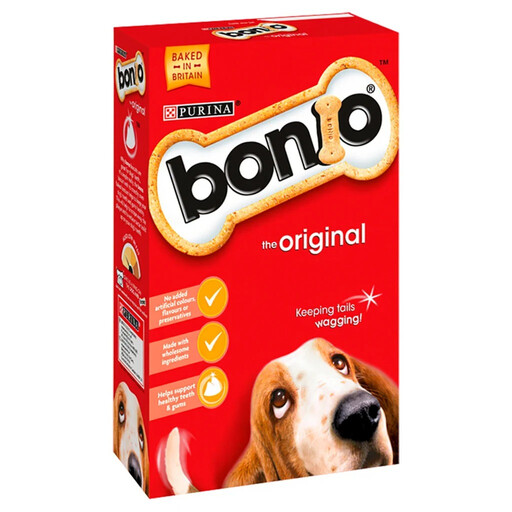
Why This Fits Their Persona: The 650g pack is practical for households that want a familiar everyday biscuit format for an adult dog, with feeding guidance based on body weight.
The product is clearly described as a complementary treat, with daily quantities shown for dogs weighing 7kg, 15kg and 30kg.
Oven-baked crunchy texture; 4.5% stated fat content; includes feeding and storage instructions.
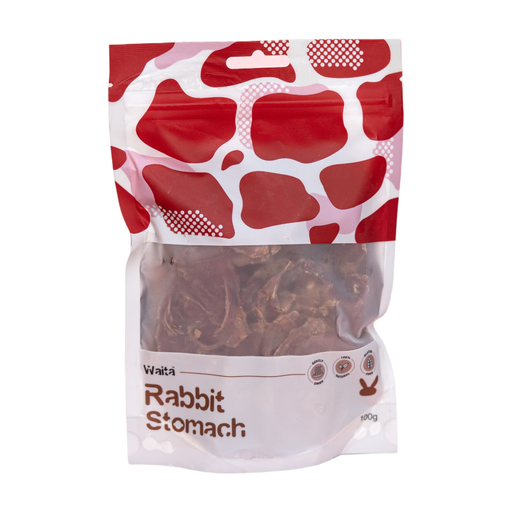
Why This Fits Their Persona: Owners seeking a single-ingredient option can assess this air-dried rabbit treat without navigating a long multi-ingredient recipe.
The ingredients list states 100% rabbit stomach, with no grains, fillers or artificial preservatives listed.
Single-animal-protein recipe; air-dried format; can be rehydrated with warm water according to the product directions.
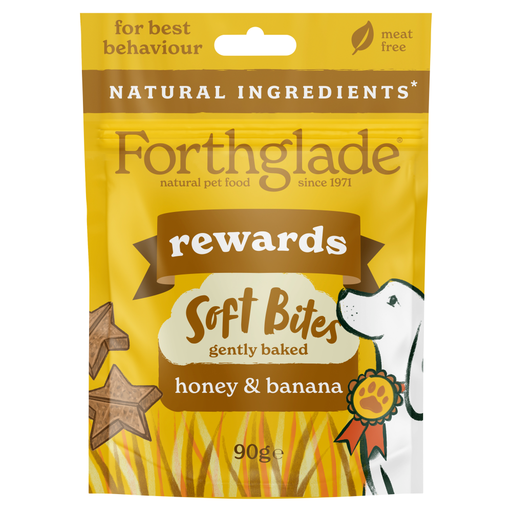
Why This Fits Their Persona: Frequent trainers, puppy owners and small-breed households may value soft treats that can be divided into smaller rewards.
The soft-bite format can be broken into portions, and the directions advise limiting treats to 10% of daily calorie intake.
Grain-free recipe; suitable for dogs aged two months and over; resealable recyclable pouch.
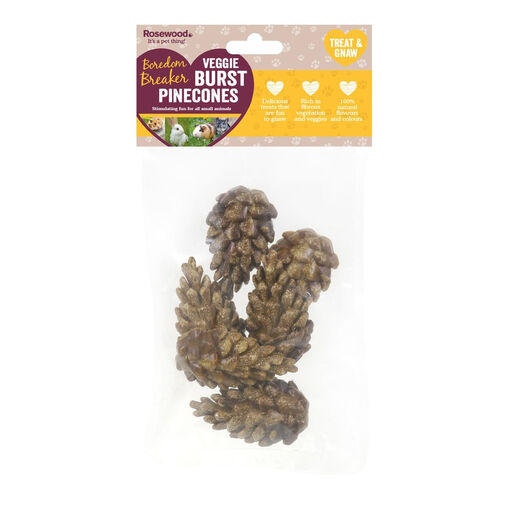
Why This Fits Their Persona: Rabbit and rodent owners looking for an interactive snack can place these pinecone-shaped treats in an enclosure for gnawing or enrichment.
The pack specifies suitable rabbits and rodents, gives a 0.7% crude fat and 13.6% crude fibre analysis, and advises moderation.
Six pieces per pack; underside cavities for adding small animal treat pastes; no artificial flavours, colours or preservatives listed.
We have compiled a complete, real-time list of products that fully satisfy these strict selection criteria and UK safety regulations.
For cats, compare dry and wet formats according to how your cat prefers to eat. Bonkers Salmon Supreme Flavour offers a crunchy outer layer with a soft centre and states fewer than two calories per treat. Webbox Lick-E-Lix with Real Catnip provides five 15g sachets, with 8.5 kcal per sachet, and can be served as a treat or meal topper.
For rabbit treats and guinea pig treats, forage bars are designed to add chewing and exploration. Burgess Excel Forage and Feast Bar Marigold contains 73.3% meadow hay and lists 29.5% crude fibre. The Rose and Cornflower varieties are also intended for rabbits, guinea pigs or other suitable small herbivores. Check the label and keep hay and fresh water available.
For low-fat dog treats, Wagg Low Fat Treats Turkey & Rice lists 4% fat, while Morrisons 7 Joint Support Sticks lists 3%. Both are complementary foods, so use the stated feeding guide and account for treats in the daily ration.
There is no single amount for every animal. Follow the product’s feeding guide and consider your pet’s size, age, activity and main diet. For frequent rewards, choose small or breakable treats and adjust meals to avoid overfeeding.
Not necessarily. Grain-free dog treats may suit an owner avoiding particular cereals, but “grain-free” does not automatically mean lower calorie or suitable for a diagnosed dietary condition. Read the full composition and ask your vet for guidance where allergies or prescribed diets are involved.
Keep treats sealed in a cool, dry place, away from direct sunlight and damp conditions. Reseal soft pouches after opening and follow any stated consumption period. Discard products that smell unusual, become damp or show signs of spoilage. Fresh drinking water should always be available.