
24/7 Customer Support

Free returns

Same-day & Next-day Delivery

Quality Guaranteed

Unlock Your Welcome Offers: FREE Delivery | Up to 80% OFF | Free 30-day JoyPlus trial
Download the APP
As a pet owner in the UK, choosing the right pet treats can feel overwhelming. The aisles are packed with options, all promising to make your furry friend happy and healthy. Yet, many of us have bought treats that were ignored by our pets, or worse, didn't sit well with them. The key is to look past the flashy packaging and understand what you're actually buying.
As the Joybuy Product Recommendation Officer, my role is to help you navigate this crowded market. Let's break down the common pitfalls and what to look for, so you can choose treats with confidence.
Before adding any pet treats to your basket, a quick check of these three factors can make all the difference.
The ingredients list is your most powerful tool. Look for a named protein source (like chicken, beef or salmon) listed high up. This indicates it's a primary ingredient. Also, note the term complementary pet food. This means the product is a treat and not a complete meal, so it's important to follow the feeding guidelines and adjust your pet's main food accordingly to maintain a healthy weight.
Not all treats serve the same function. Understanding their purpose helps you choose the right one for the occasion:
Always check the packaging for age recommendations. Treats formulated for puppies and kittens are typically softer and smaller to suit their delicate mouths and developing teeth. They may also be fortified with nutrients like calcium to support growth. Feeding an adult treat to a young animal can pose a risk, so it's a check worth making every time.
To help you apply this knowledge, here are a few options from our catalogue, matched to specific needs of UK pet owners.
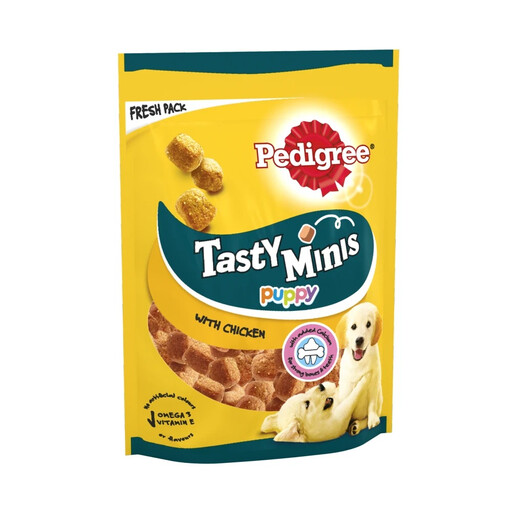
Why This Fits Their Persona: Perfect for UK owners navigating the challenges of puppyhood. These small, soft cubes are ideal for frequent rewards during house training or learning new commands, without being too rich or hard for a young dog's system.
It directly counters the "one-size-fits-all" myth by being specifically formulated for puppies aged 4-18 months, ensuring the texture and nutritional profile are appropriate.
Enriched with calcium to support strong teeth and bones and Omega 3 to help keep your puppy fit. The bite-sized format is perfect for training.
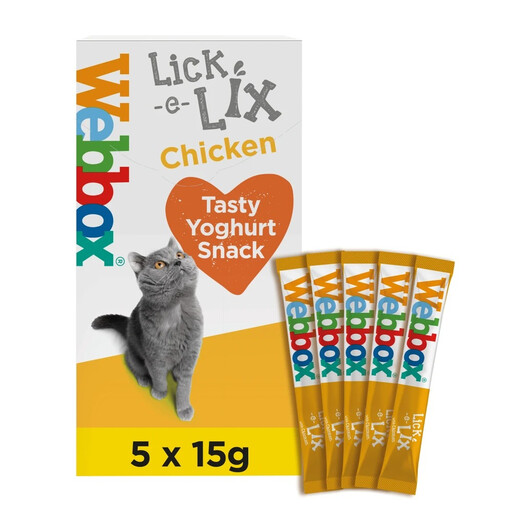
Why This Fits Their Persona: For owners of discerning felines who turn their noses up at standard crunchy biscuits. The unique, smooth yoghurty texture is highly palatable and offers a different sensory experience, making it a fantastic treat for even the fussiest cats.
This product avoids the "healthy halo" trap by being clearly positioned as a complementary treat. The individual sachets also help with portion control, preventing accidental overfeeding.
Extremely versatile: can be served directly from the sachet, used as a tasty topper on dry food to encourage eating or even to help disguise medication.
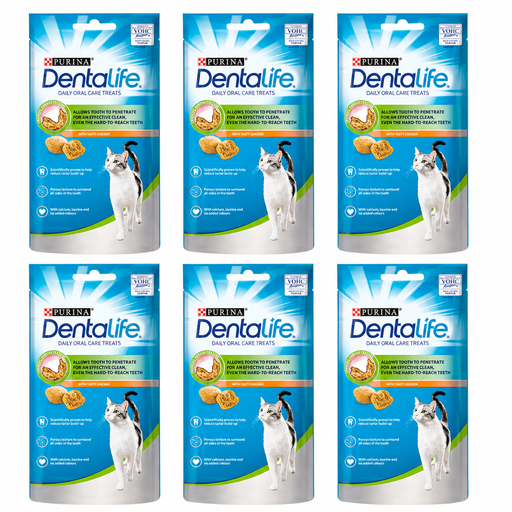
Why This Fits Their Persona: For the cat owner who wants a treat that does more. This is a functional snack designed to be part of a daily oral care routine, helping to manage dental health in a way that cats enjoy, thanks to the tasty chicken flavour.
It avoids vague health claims by focusing on a specific, verifiable mechanism: a unique porous texture designed to surround the tooth and help reduce tartar build-up during chewing.
This treat is accepted by the Veterinary Oral Health Council (VOHC) for tartar control. It is also enriched with calcium and taurine to support overall wellbeing.
We have compiled a complete, real-time list of products that fully satisfy these strict selection criteria and UK safety regulations.
A good rule of thumb is the 10% rule: treats should make up no more than 10% of your pet's total daily calorie intake. Always check the feeding guide on the product packaging, as it provides specific recommendations based on your pet's size and weight. Remember to reduce their main meal slightly to account for the extra calories from treats.
Not necessarily. Grain-free diets are essential for pets with a diagnosed grain allergy or sensitivity. For most other pets, whole grains can be a source of healthy nutrients and fibre. The overall quality of the ingredients is more important than simply being grain-free. If you suspect your pet has a food sensitivity, it is always best to consult your vet.
Treats for young animals are specifically designed for their needs. Puppy training treats and kitten treats are usually smaller, softer to be gentle on developing teeth and may be fortified with extra nutrients like calcium for bone growth. Adult treats can be harder, larger and have a different nutritional balance. Using age-appropriate treats is a simple way to ensure they are safe and beneficial for your pet.