
24/7 Customer Support

Free returns

Same-day & Next-day Delivery

Quality Guaranteed

Unlock Your Welcome Offers: FREE Delivery | Up to 80% OFF | Free 30-day JoyPlus trial
Download the APP
As a nation of animal lovers, we enjoy rewarding our furry companions. However, the world of pet treats can be a minefield of confusing labels and clever marketing. Choosing the right snack is about more than just taste; it's about your pet's health and well-being. Many treats on the market are packed with fillers, hidden fats, or vague ingredients that do more harm than good. This guide will help you see past the hype and select treats that are both enjoyable and genuinely beneficial for your dog or cat.
Before you add anything to your basket, be aware of these common pitfalls that can lead to poor choices and wasted money:
To make an informed decision, focus on the details on the packaging. Here are the three most important areas to analyse.
The ingredient list is your most powerful tool. Ingredients are listed in order of weight, so the first few items make up the bulk of the treat.
This table provides a breakdown of the treat's nutritional content. Here’s what to look for:
Different treats serve different functions. Consider why you are giving your pet a treat:
Based on these criteria, here are a few recommendations for different types of pet owners.
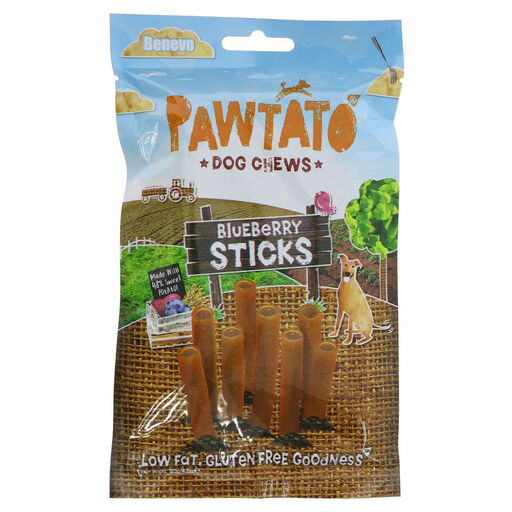
Why This Fits Their Persona: Ideal for owners managing their dog's weight or food sensitivities. The plant-based recipe is perfect for households seeking ethical or hypoallergenic options without compromising on a satisfying chew.
It sidesteps the "vague ingredients" trap with a clear, simple list starting with sweet potato flour. It's genuinely low fat (0.5%) and free from common allergens, moving beyond the empty "healthy" marketing halo.
Hypoallergenic formula made from organically grown sweet potato. Free from gluten, wheat, meat and soya, making it suitable for sensitive dogs.
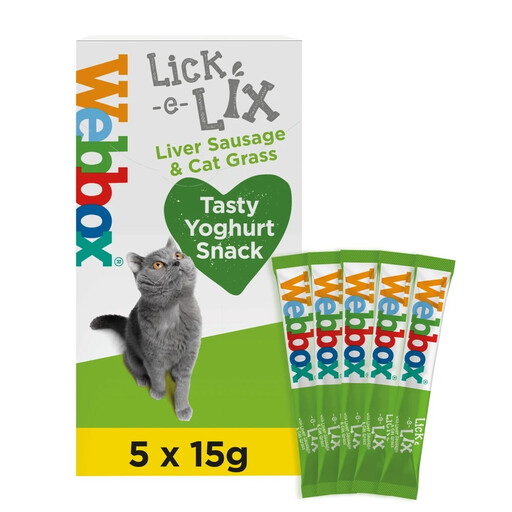
Why This Fits Their Persona: This is for the owner whose cat regularly turns its nose up at conventional treats. The unique creamy texture and savoury flavour combination of liver sausage and cat grass are designed to tempt even the most discerning feline palate.
It offers a novel format that goes beyond a simple crunchy biscuit. The low-calorie count per sachet (8.5 kcal) directly addresses the portion control problem, allowing for a daily treat without contributing to weight gain.
Highly palatable yoghurty texture and unique flavour. Can be served straight from the sachet for bonding or used as a food topper to encourage eating.

Why This Fits Their Persona: This is for the cat owner who wants a treat that does more than just taste good. It's designed for daily use to support oral hygiene, making it a practical addition to a cat's routine rather than just an occasional indulgence.
It avoids the "misleading functional claim" trap by having a verifiable physical feature—a porous texture designed to wrap around the tooth for a more thorough clean, which is more credible than a simple "dental" label on a standard biscuit.
Features a unique, porous texture for cleaning. It also contains added calcium and taurine, providing extra nutritional benefits for teeth and overall health.
We have compiled a complete, real-time list of products that fully satisfy these strict selection criteria and UK safety regulations.
1. How many treats are too many for my dog or cat? A good rule of thumb is the 10% rule: treats should make up no more than 10% of your pet's total daily calorie intake. Always check the feeding guide on the packaging, as portion sizes vary significantly between products. If you are using treats for training, remember to reduce the size of their main meal accordingly to maintain a healthy weight.
2. Are grain-free pet treats always a healthier choice? Not necessarily. Grain-free diets are essential for pets with a diagnosed grain allergy or sensitivity. For most other pets, grains can be a healthy part of their diet. Many grain-free treats replace grains with ingredients like potato, tapioca, or pea flour, which can be just as high in calories and carbohydrates. The overall quality of the ingredients, particularly the protein and fat content, is a more important indicator of a healthy treat.
3. What is the difference between 'complementary' and 'complete' pet food? This is a crucial distinction. 'Complete' pet food, such as your pet's main wet or dry food, is nutritionally balanced to provide all the nutrients they need to stay healthy. 'Complementary' food, which includes almost all pet treats, is not nutritionally complete. It is intended to be fed as a snack or reward alongside a balanced diet and should not be used as a meal replacement.