
24/7 Customer Support

Free returns

Same-day & Next-day Delivery

Quality Guaranteed

Unlock Your Welcome Offers: FREE Delivery | Up to 80% OFF | Free 30-day JoyPlus trial
Download the APP
As a nation of animal lovers, we enjoy rewarding our furry companions. However, the sheer variety of pet treats on the shelves can be overwhelming. Packaging often features appealing images and vague health promises, making it difficult to distinguish a genuinely beneficial snack from a cleverly marketed, low-value filler. This guide will help you navigate the common pitfalls and understand what truly matters when selecting treats for your dog or cat.
Choosing the right treat goes beyond just picking your pet's favourite flavour. Many UK owners find themselves disappointed with purchases that don't live up to their promises. Here are two common traps to be aware of:
To make an informed choice, focus on the details on the packaging rather than the marketing slogans on the front. Here are the key parameters to analyse.
The list of ingredients is your most reliable tool. In the UK, ingredients must be listed in descending order by weight.
Not all treats serve the same function. Consider why you are giving the treat to your pet.
Based on these practical criteria, we've matched several products to common UK pet owner profiles.

Why This Fits Their Persona: This owner prioritises clean, simple nutrition. They want a high-protein, single-ingredient snack for their dog or cat without any fillers, grains or artificial additives, making it ideal for pets with dietary sensitivities.
It cuts through the "natural" marketing trap by having just one ingredient: 100% salmon fillets. There is no ambiguity or room for hidden fillers.
Rich in Omega-3 fatty acids for skin and coat health. The freeze-drying process helps retain nutrients and flavour, making it highly palatable.
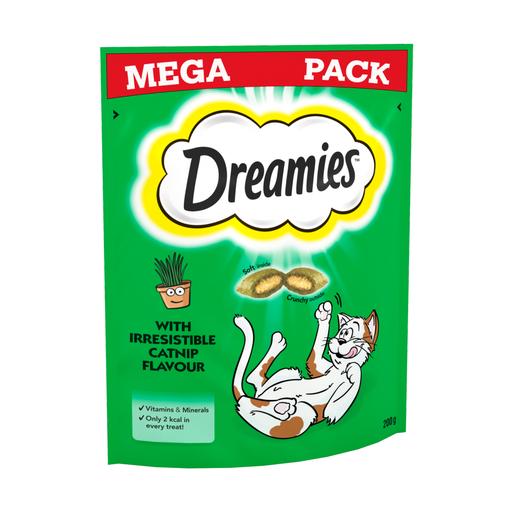
Why This Fits Their Persona: This cat owner loves to treat their feline friend daily but is mindful of their weight. They need a treat that is highly desirable to their cat but very low in calories, like these popular Dreamies cat treats.
It avoids the trap of hidden calories by clearly stating that each treat contains only 2 calories, allowing for guilt-free daily rewarding when fed according to guidelines.
Features a dual texture (crunchy outside, soft inside) that many cats find irresistible. The addition of catnip flavouring further enhances its appeal for fussy eaters.
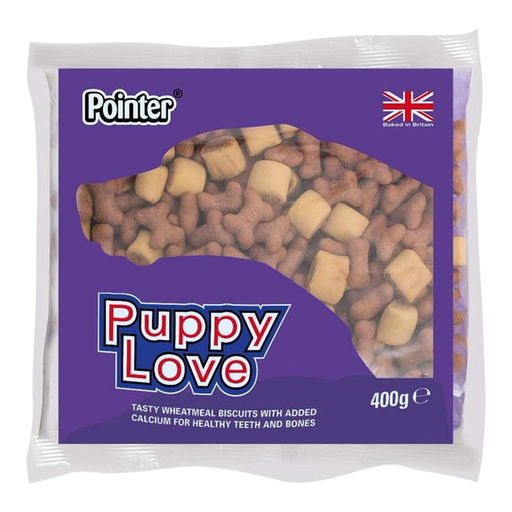
Why This Fits Their Persona: This owner is focused on training their new puppy and wants a treat that is appropriately sized and formulated for a growing dog. They need a reliable and affordable option for frequent rewards.
It avoids the "one-size-fits-all" trap by being specifically designed as puppy training treats. The bite-sized format and added calcium directly address the needs of a young, developing dog.
Oven-baked for a satisfying crunch and fortified with calcium to support healthy teeth and bone development. The small size is ideal for training without over-feeding.
We have compiled a complete, real-time list of products that fully satisfy these strict selection criteria and UK safety regulations.
Here are answers to some common questions UK pet owners have about dog treats and cat treats.
The widely accepted guideline is that treats should not make up more than 10% of your pet's total daily calorie intake. Always check the feeding recommendations on the packaging, as this can vary significantly between products. Remember to reduce your pet's main meal portion accordingly to prevent unwanted weight gain.
Grain-free treats are essential for pets with a diagnosed grain allergy or sensitivity. For most other pets, grains like oats and rye can be a perfectly acceptable source of carbohydrates and fibre. The overall quality of the ingredients is more important than simply being grain-free. A treat with high-quality named protein and vegetables is a good choice, whether it contains grain or not.
These terms refer to the production method, which affects the final product's texture and nutritional profile.