
24/7 Customer Support

Free returns

Same-day & Next-day Delivery

Quality Guaranteed

Unlock Your Welcome Offers: FREE Delivery | Up to 80% OFF | Free 30-day JoyPlus trial
Download the APP
Keeping our animal companions properly hydrated is a fundamental part of their care. Yet, finding the right hydration solution can be a challenge. For dog owners, it's the search for a portable, mess-free option for walks and travel. For those with smaller pets, it's the constant battle against leaky cage bottles that create damp, unhygienic bedding.
This guide is designed to help you navigate the options. We will outline key features to look for when choosing a pet water bottle and present a few carefully selected recommendations that cater to different needs, from a dog travel water bottle for outdoor adventures to a reliable hamster cage water bottle for home enclosures.
Before looking at specific products, it helps to understand what features make a water bottle a practical choice for you and your pet.
The first consideration is how and where the bottle will be used.
A leaky bottle is more than just an annoyance. In a travel bag, it can ruin your belongings. In a cage, it can lead to damp bedding, which can contribute to health issues for your pet. A leak proof pet water bottle is a non-negotiable feature. For travel bottles, look for secure locking mechanisms. For cage bottles, a twin ball-bearing spout is a common and effective design feature that releases water only when your pet actively licks it.
Your pet will be drinking directly from the bottle, so the materials must be safe. Always opt for bottles made from food-grade, BPA-free plastics or stainless steel. Durability is also important, especially for cage-mounted bottles where pets might be tempted to gnaw. High-strength plastics and gnaw-resistant caps can extend the life of the product and ensure your pet's safety.
Based on these practical considerations, here are a few recommendations for different types of pets and their needs.
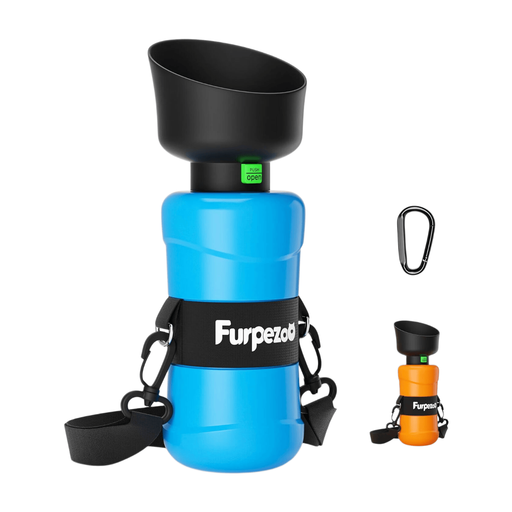
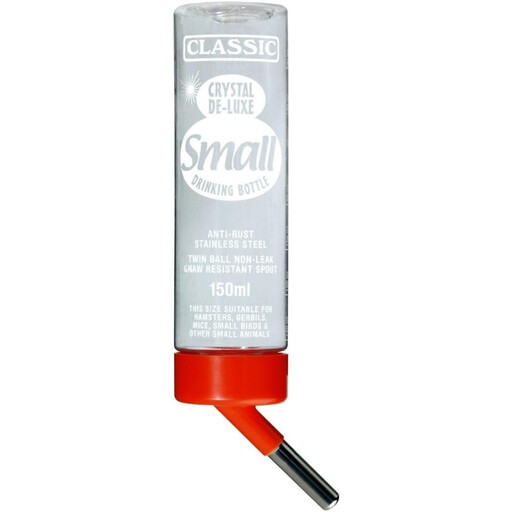
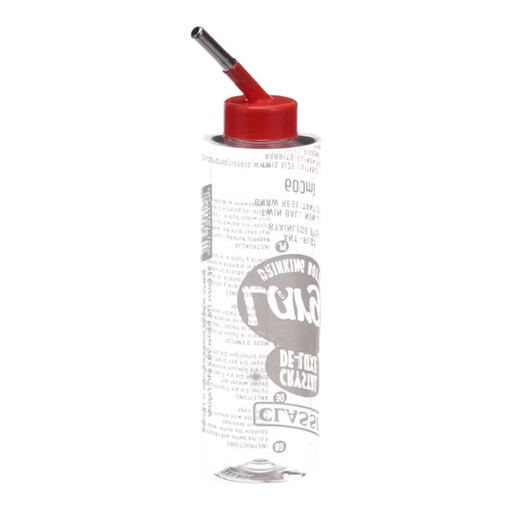
The needs of every pet are unique, and the products featured here are just a starting point. If you're looking for a different size, style or feature set, there are many other choices available.
Explore our full range of PET bottles to find the ideal match for your companion.
It is good practice to rinse and refill your pet's water bottle with fresh water daily. A thorough cleaning should be performed at least once a week. Use a bottle brush and a mild, pet-safe soap to scrub the inside of the bottle and the spout, then rinse thoroughly before refilling.
Yes, provided they are made from the right materials. Look for bottles that are explicitly labelled as BPA-free and made from food-grade plastic. These materials are designed for contact with drinking water and do not leach harmful chemicals.
For cage-mounted bottles with a ball-bearing spout, dripping can sometimes occur due to a broken vacuum. To prevent this, fill the bottle completely to the top with water before screwing the cap on tightly. This helps create a vacuum that holds the water in. Also, ensure the rubber gasket inside the cap is present and in good condition.