
24/7 Customer Support

Free returns

Same-day & Next-day Delivery

Quality Guaranteed

Unlock Your Welcome Offers: FREE Delivery | Up to 80% OFF | Free 30-day JoyPlus trial
Download the APP
Choosing the right light bulb can feel surprisingly complex. With so many fittings, styles and features available, it is easy to feel lost in a sea of technical specifications. As more UK households switch to modern lighting, understanding the options is key to creating the perfect atmosphere while managing energy costs. Philips LED light bulbs offer a wide range of solutions, from simple, energy-efficient replacements to advanced smart lighting.
This guide is designed to help you navigate the choices. We will break down the essential features to consider before you buy and share some of our top recommendations for 2026, helping you find the right Philips LED bulb for any room in your home.
Before adding a bulb to your basket, a few key considerations will ensure you get the perfect fit and function for your space.
The most common mistake is buying a bulb with the wrong base. In the UK, most light fixtures use one of two types:
Always check your existing fixture before purchasing to avoid any frustration.
The light a bulb emits dramatically affects a room's feel. A warm white filament bulb produces a soft, yellowish glow similar to old incandescent bulbs, creating a cosy and inviting atmosphere. This makes them ideal for living rooms, bedrooms and dining areas. Their vintage style light bulbs appearance, with visible filaments, also adds a decorative touch.
For more dynamic spaces, a colour changing light bulb offers millions of hues, allowing you to tailor the lighting to your mood, an event or even the time of day. These are often found in the Philips smart light bulb range.
If you want more control over your lighting, consider these options:
Here are a few standout options from the Philips range, selected to meet different needs and preferences.
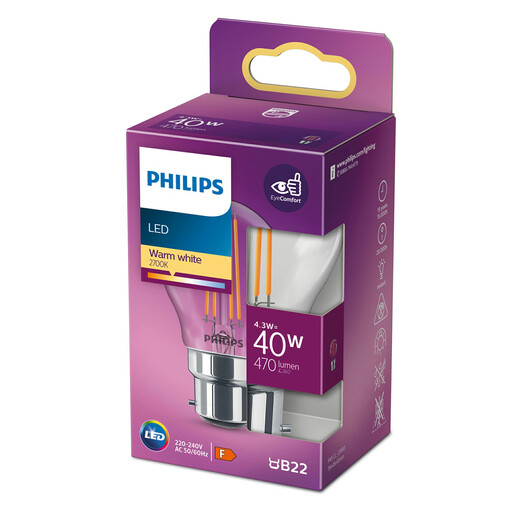
Why It Stands Out: This bulb combines the classic look of a vintage filament bulb with modern LED efficiency. It is a straightforward, high-quality replacement for traditional bayonet bulbs, offering a warm and comfortable light.
Pros:
Who is it for?: Anyone looking for a simple, stylish and energy-efficient replacement for an old incandescent bulb in a living room, hallway or bedroom with a bayonet fitting.
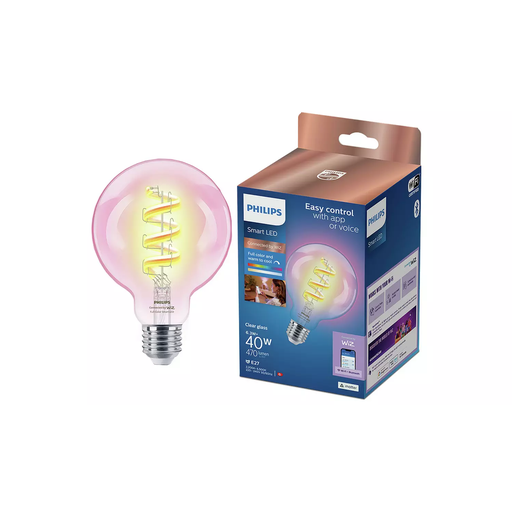
Why It Stands Out: This is a truly versatile colour changing light bulb that puts you in complete control. It connects directly to your Wi-Fi without needing a separate hub, making smart lighting accessible and easy to set up.
Pros:
Who is it for?: Tech-savvy users who want to create dynamic lighting scenes, automate their home and enjoy the convenience of controlling their lights via a smartphone.
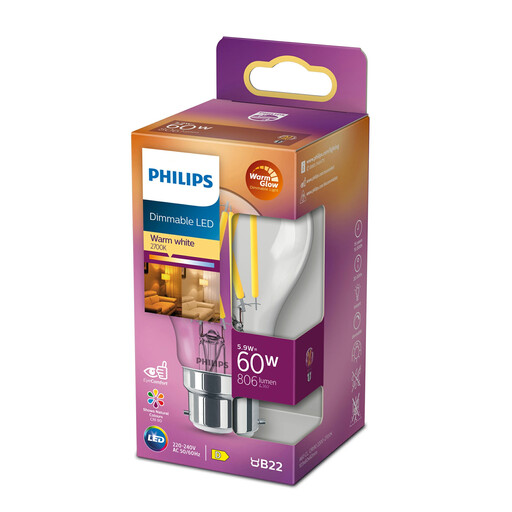
Why It Stands Out: This bulb offers a higher brightness level and the flexibility of dimming. It is an excellent choice for main room lighting where you might want bright, clear light for tasks and a softer glow for relaxing.
Pros:
Who is it for?: Homeowners who need a bright main light source for a room but also want the option to dim it for creating a more relaxed atmosphere.
While these recommendations cover a range of popular needs, the world of decorative lighting is vast. If you are particularly drawn to the classic, cosy aesthetic of exposed filaments, you might find your perfect match in our broader collection.
Explore our full range of warm white filament bulb options to find the ideal fit for your vintage-inspired decor.
1. How much energy do Philips LED light bulbs save? Philips LED bulbs are highly energy efficient light bulbs. They use up to 90% less energy than traditional incandescent or halogen bulbs. For example, an LED bulb rated as a 60W equivalent LED might only consume 7W of power, leading to noticeable savings on your electricity bills over the bulb's long lifespan.
2. What is the difference between a B22 and E27 bulb? The difference is the base of the bulb. A B22 LED bulb has a bayonet cap with two pins on the side, which you push and twist to lock into the socket. An E27 LED bulb has a threaded base that you screw into the socket. The B22 fitting is historically more common in UK ceiling fixtures, while the E27 is often found in table lamps and newer fittings.
3. Can I use a dimmable LED bulb in a non-dimmable socket? Yes, you can. A dimmable LED bulb will work perfectly fine in a standard, non-dimmable light fixture. It will simply function as a regular, non-dimmable bulb and light up to its full brightness. However, you will not be able to adjust its brightness without a compatible LED dimmer switch installed on the circuit.