
24/7 Customer Support

Free returns

Same-day & Next-day Delivery

Quality Guaranteed

Unlock Your Welcome Offers: FREE Delivery | Up to 80% OFF | Free 30-day JoyPlus trial
Download the APP
Upgrading your oral care routine is a significant step towards better dental health. If you are considering moving from a manual toothbrush or replacing an older model, the Philips Sonicare range is likely on your radar. Known for its powerful sonic technology, the brand offers a wide array of models, which can make choosing the right one feel complicated.
This guide is designed to help you navigate the options. We will break down the key features, compare some of the most popular models and provide straightforward advice to help you find a Philips Sonicare electric toothbrush that fits your specific needs and budget.
Making an informed decision comes down to understanding what features matter most to you. Here are a few practical points to consider during your Philips Sonicare comparison.
At their core, all Philips Sonicare toothbrushes are designed to provide a superior clean. However, the range spans from straightforward models to tech-packed devices. A key feature to look for on any model is an electric toothbrush with a pressure sensor. This function alerts you if you are brushing too hard, helping to protect your gums and enamel from damage. Most models also include a SmartTimer to ensure you brush for the dentist-recommended two minutes.
More advanced models build on this with features like Bluetooth connectivity for app-based coaching, multiple cleaning modes (e.g., White+, Gum Health) and adjustable intensity levels. Consider whether you would benefit from this real-time feedback or if you prefer a simpler, more streamlined brushing experience.
Your personal dental goals should guide your choice. If your main objective is achieving a brighter smile, a whitening electric toothbrush with a dedicated 'White+' mode and a specialised brush head could be a suitable option. For those with sensitive gums, a model with a 'Gum Health' mode and multiple intensity settings allows for a more gentle yet effective clean. By matching the brush's capabilities to your needs, you can get more value from your purchase.
For those who travel frequently, a rechargeable toothbrush with a travel case is a practical necessity. Some premium models come with a USB charging case, allowing you to power up your device from a laptop or power bank. It is also worth noting that many electric toothbrushes sold in the UK come with a 2-pin plug, which is standard for bathroom appliances. If your bathroom doesn't have a shaver socket, you will need a simple 2-pin to 3-pin adapter.
We have analysed the features of several models to bring you our top recommendations. Each one caters to a different user, from the tech enthusiast to the value-conscious beginner.
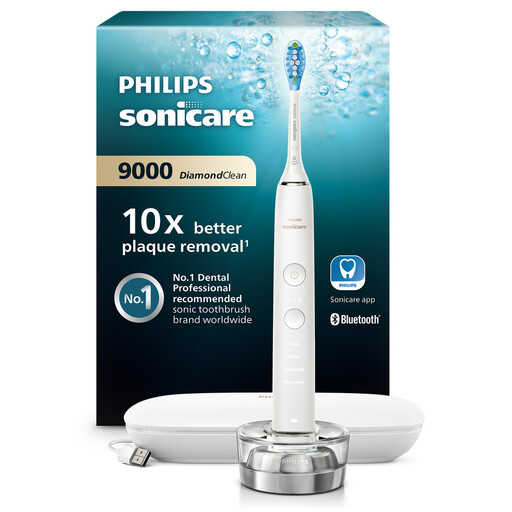
Why It Stands Out: The Philips DiamondClean 9000 represents a premium brushing experience. It combines powerful cleaning with smart technology, offering a high degree of personalisation through its connected app. It is designed for users who want detailed feedback and control over their oral hygiene routine.
Pros:
Who is it for? This model is ideal for the tech-savvy user who wants a comprehensive, app-guided cleaning experience with a focus on whitening and gum health.
View Product Details on Joybuy
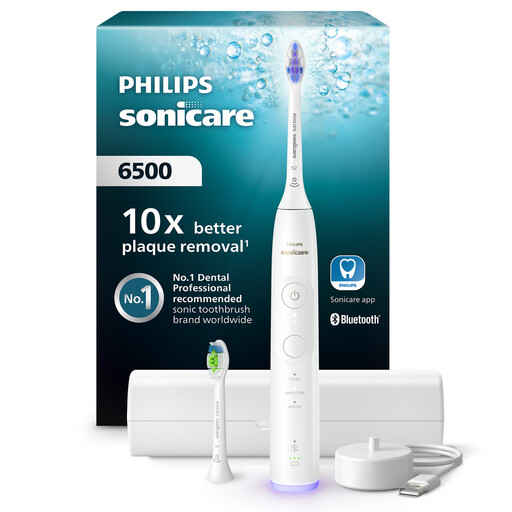
Why It Stands Out: The Sonicare 6500 strikes an excellent balance between advanced features and value. It offers many of the smart capabilities found in higher-end models, including multiple modes and intensities, but at a more accessible price point.
Pros:
Who is it for? Perfect for users who want to upgrade to a smart toothbrush with customisable settings and app support, without investing in the top-of-the-line model.
View Product Details on Joybuy
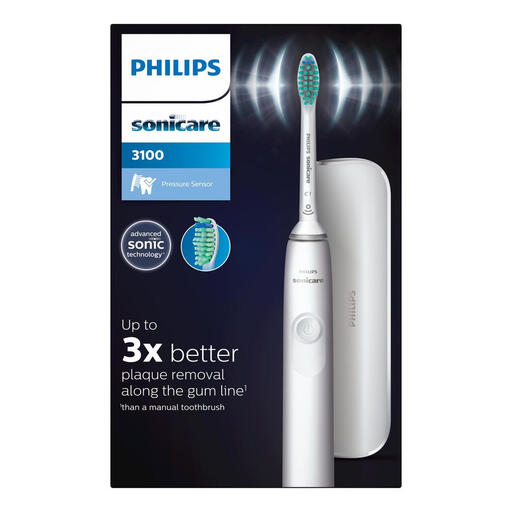
Why It Stands Out: The Philips Sonicare 3100 focuses on delivering the core benefits of sonic technology effectively and affordably. It strips away the extra modes and app connectivity in favour of essential features that promote a healthy brushing technique, making it an excellent entry point into the world of sonic cleaning.
Pros:
Who is it for? An ideal choice for anyone switching from a manual toothbrush for the first time, or for users who prioritise effective cleaning and gum protection over advanced features.
View Product Details on Joybuy
While these three models cover a wide range of needs, they are just a snapshot of the available options. If you are looking for different features or models suitable for other members of your household, you may find the right fit in our broader collection.
Explore our full range of Sonic Toothbrushes for the Family
1. How is a sonic toothbrush different from a regular electric one? A sonic toothbrush uses very high-speed vibrations to move the brush head. This technology not only scrubs the tooth surface but also creates a dynamic fluid action that pushes water and toothpaste into hard-to-reach areas, like between teeth and along the gumline. This is different from oscillating-rotating toothbrushes, which use a circular scrubbing motion.
2. Do I really need an electric toothbrush with a pressure sensor? A pressure sensor is a highly recommended feature, especially for those new to electric toothbrushes. Many people apply too much force when brushing, which can lead to gum recession and enamel wear over time. The sensor provides a gentle vibration or light to alert you, helping you adopt a safer and more effective technique.
3. How often should I replace my Philips Sonicare brush head? For optimal performance and hygiene, it is recommended to replace your brush head every three months. The bristles can become frayed and less effective over time. Many Philips Sonicare models with BrushSync technology will provide an automatic reminder on the handle when it is time for a replacement.