
24/7 Customer Support

Free returns

Same-day & Next-day Delivery

Quality Guaranteed

Unlock Your Welcome Offers: FREE Delivery | Up to 80% OFF | Free 30-day JoyPlus trial
Download the APP
A phone crossbody lanyard can make commuting, shopping, travelling and festival visits more convenient. Your phone stays within reach for tickets, maps, photos and contactless payments, without needing to hold it constantly.
However, not every strap offers the same level of practicality. A low-cost option may have a connector that does not fit your case, while a fashionable strap may lack useful length adjustment. Before buying, check the attachment method, strap dimensions and care requirements rather than relying on phrases such as “secure” or “universal”.
Most universal phone lanyards require a case with a lanyard tab or attachment point. Some models use a separate connector pad, while others attach through a dedicated case or magnetic system.
A strap cannot compensate for a case that is too flexible, lacks a suitable opening or has a damaged attachment point. Check compatibility with your exact case before ordering, particularly if you use a rugged, wallet or battery case.
A fixed 1.2-metre strap may suit many users across the body, but it may feel different depending on height, clothing and whether you prefer neck, shoulder or wrist use. An adjustable phone strap provides more flexibility, especially when worn over a coat or used by different people.
Do not assume a longer strap is automatically more comfortable. Excess length can swing while cycling or walking through crowds, so it should be adjusted to keep the phone accessible without creating unnecessary movement.
A drop-prevention phone strap can provide an additional connection between your phone and your body, but it does not make the device indestructible. Excessive pulling, sharp edges, worn stitching or an unsecured connector can still result in damage.
Inspect the attachment pad, buckle, stitching and case connection regularly. A crossbody strap is a carrying accessory, not a substitute for a protective case or a safety restraint.
First identify which system the product uses:
A phone case lanyard should sit securely without obstructing charging, buttons or camera use. After fitting, gently check the connection before carrying the phone in public.
A 1.2-metre strap is common among crossbody designs. Some adjustable models offer a wider range. For example, the Apple iPhone Crossbody Strap adjusts from 108 cm to 208 cm, allowing use across the body or over one shoulder.
A smartphone neck strap should never be wrapped tightly around the neck, particularly during cycling, running or crowded activities. For daily carrying, across-body placement generally keeps the phone close while leaving both hands free.
Look for a strap that balances flexibility with a secure-feeling connector. Polyester, recycled PET yarn, TPU, Oxford cloth and zinc alloy may all appear in different parts of a phone lanyard.
A recycled phone strap can appeal to shoppers who want recycled materials in an everyday accessory. The Apple options listed below use 100% recycled PET yarn, while the Beneunder model uses a reinforced polyester rope with zinc alloy hardware.
Clean straps according to the product instructions, usually with a soft or damp cloth. Allow them to dry fully and discontinue use if the strap, buckle or attachment point shows damage.
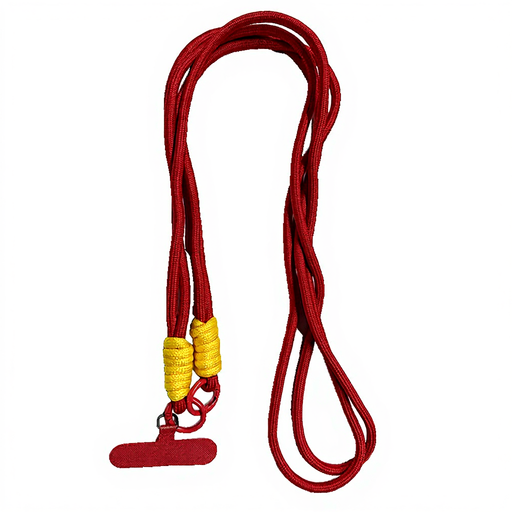
Why This Fits Their Persona: A practical 1.2-metre option for commuters, shoppers and everyday users who want hands-free access without a complicated setup.
It clearly relies on a phone-case attachment system, so buyers can check for a suitable lanyard tab before use rather than assuming every case fits.
1.2-metre length; lightweight, flexible construction; red colour is easy to spot in a bag or busy setting.
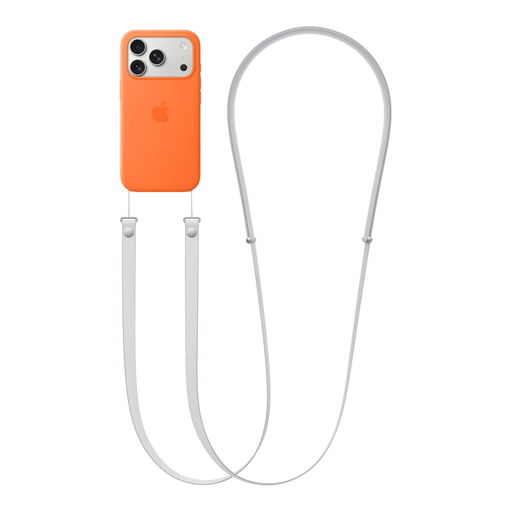
Why This Fits Their Persona: A suitable choice for compatible iPhone users who prioritise adjustable carrying, a minimalist colour and recycled material content.
Its compatibility is specific rather than broadly universal, helping buyers avoid pairing a magnetic strap with an unsuitable case.
Adjusts from 108 cm to 208 cm; made from 100% recycled PET yarn; listed weight of 119 g.
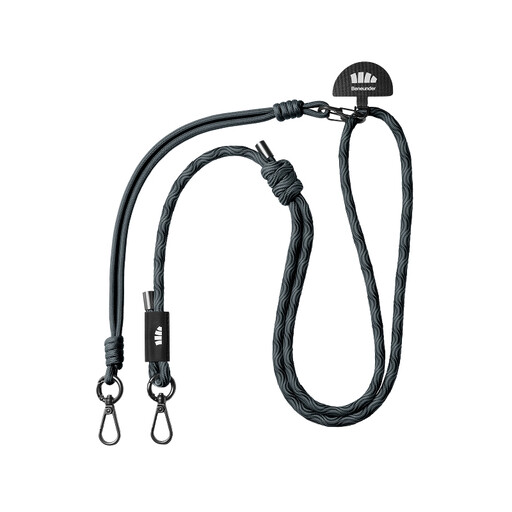
Why This Fits Their Persona: Its longer adjustable format suits users moving between commuting, travel, shopping and outdoor activities who want several carrying positions.
The listed dimensions and hardware details make it easier to assess fit, rather than relying only on general claims about durability.
8 mm reinforced core rope; adjustable length up to 70.5 inches; zinc alloy buckle and lightweight construction.
We have compiled a complete, real-time list of products that fully satisfy these strict selection criteria and UK safety regulations.
Use a compatible lanyard-ready case, connector pad or specified magnetic case, depending on the product design. Attach the strap according to the instructions, then check that the connector is fully seated. Test the connection gently before placing the phone across your body.
There is no fixed lifespan. Use, friction, moisture, sharp contact and pulling can affect the strap and hardware. Inspect it regularly, especially around stitching, buckles, magnetic points and case tabs. Replace it if you notice fraying, cracking, loose hardware or other damage.
No. A standard hands-free phone strap does not require batteries, charging or subscriptions. The main ongoing consideration is replacement if the strap or connector becomes worn. Cleaning it as instructed and avoiding excessive force can help maintain its usable condition.