
24/7 Customer Support

Free returns

Same-day & Next-day Delivery

Quality Guaranteed

Unlock Your Welcome Offers: FREE Delivery | Up to 80% OFF | Free 30-day JoyPlus trial
Download the APP
By Joybuy Product Recommendation OfficerUpdated: 17 July 2026
Tired of shaky, amateur-looking footage ruining your smartphone videos? Whether you're capturing family holidays, creating content for TikTok or vlogging your travels, unsteady hands can undermine an otherwise perfect shot. A phone gimbal stabiliser is a game-changing accessory that uses motors to keep your phone steady, producing smooth, cinematic video that looks effortlessly professional.
Navigating the market can be confusing, with countless models offering a wide range of features. This guide is designed to help you understand the key considerations when choosing a gimbal for your smartphone. We will walk you through essential features and present our top recommendations to help you find the right tool for your creative needs.
Before diving into specific products, here are a few key factors to consider. Thinking about these points will help you narrow down your options and make a more informed decision.
The core function of a gimbal is stabilisation, which is achieved through a set of motorised axes.
Your gimbal should be a tool you want to take with you, not one you leave at home because it's too cumbersome. Look for a foldable gimbal that can easily fit into a backpack or even a large pocket. Pay attention to the weight and the ergonomics of the grip, as you may be holding it for extended periods. Many modern gimbals also come with a built-in gimbal with tripod legs, which is incredibly useful for static shots, time-lapses or setting up for a hands-free vlog.
Not all gimbals can handle all phones. Before you buy, confirm that the model is compatible with your device, whether you need a gimbal for an iPhone or a video stabiliser for an Android phone. The two most important specifications to check are:
Here are our recommendations, selected to suit a range of users from casual creators to aspiring filmmakers.
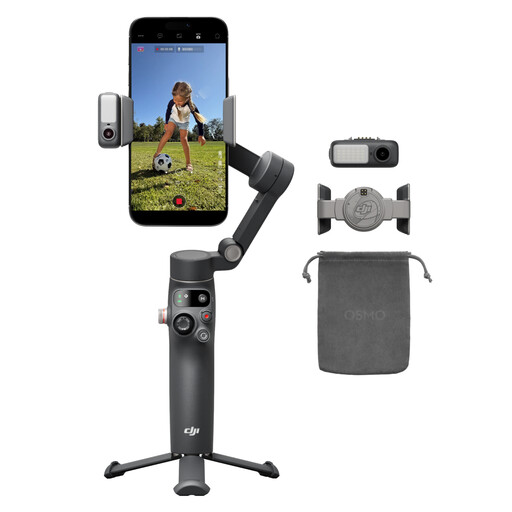
Why It Stands Out: The DJI Osmo Mobile 8 is a complete content creation powerhouse. It goes beyond simple stabilisation by integrating native subject tracking with audio and lighting capabilities directly into the device. Its robust build includes a built-in extension rod and tripod, making it an all-in-one solution that minimises the need for extra gear.
Pros:
Who is it for? Serious content creators and vloggers who want a feature-packed, reliable tool that can handle demanding video projects without requiring a bag full of accessories.
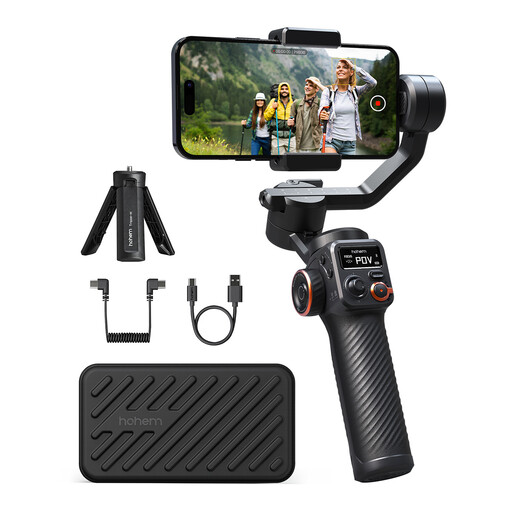
Why It Stands Out: This hohem gimbal is built for endurance and power. Its standout features are an impressive 18-hour battery life with reverse charging and a high payload capacity of 400g, making it suitable for the largest smartphones. The clear OLED screen provides at-a-glance status updates on battery, Bluetooth and shooting modes, giving you full control.
Pros:
Who is it for? Tech-savvy hobbyists and creators who use large, heavy smartphones or require multiple accessories. It's also ideal for anyone who needs a long-lasting battery for all-day shoots, travel or live streaming events.
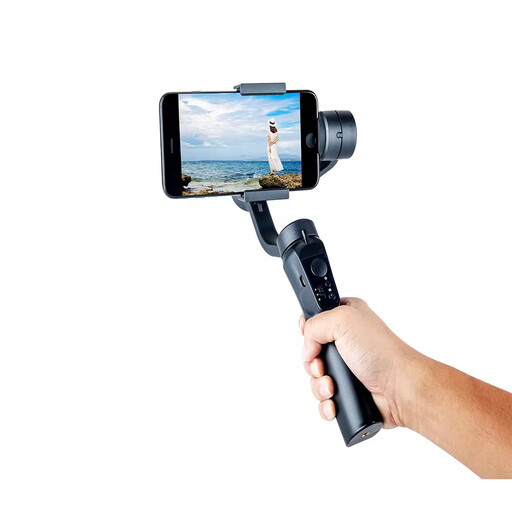
Why It Stands Out: The Verbex C16 focuses on portability and ease of use, making it an excellent entry point into the world of gimbals. Its lightweight, foldable design and straightforward controls, including AI face tracking, allow beginners to start capturing smoother video immediately. While it uses 2-axis stabilisation, it offers a significant improvement over handheld footage for a very accessible price.
Pros:
Who is it for? Casual users, families and aspiring creators on platforms like TikTok or YouTube who want an affordable, simple and portable vlog stabiliser to elevate their content without a steep learning curve.
If these models aren't quite what you're looking for, or if you're interested in exploring a wider range of stabilisation tools, we have more to see. Discover other gimbals, tripods and camera accessories to find the perfect fit for your setup.
Explore our full range of Camera with tripod accessories here.
For most users who want to eliminate shakes from walking or moving, a 3-axis phone stabiliser is highly recommended. It corrects movement on the pan, tilt and roll axes, delivering significantly smoother footage than 2-axis models. A 2-axis gimbal is a good affordable choice for reducing minor vibrations in more static shots.
Most modern gimbals are designed to work as both a gimbal for an iPhone and a video stabiliser for an Android device. The most important factors to verify are your phone's weight and dimensions. Always check the gimbal's specifications for its maximum payload and supported phone width to ensure a secure and balanced fit, especially if you use a heavy case.
A selfie stick or a basic tripod simply holds your phone in a fixed position. A phone gimbal stabiliser, on the other hand, uses motors and sensors to actively counteract your movements in real-time. This keeps the phone level and the video smooth even while you are walking, panning or capturing action shots. Many advanced gimbals now include a built-in gimbal with tripod function, offering the best of both worlds.