Choose around the relative’s first few online tasks: a phone suits portable calls and short interactions, a tablet offers a larger touch screen for reading and video calls, and a computer makes longer typing and forms more manageable. Try the interface together before buying, check security-update support for the exact model, and agree who will help with setup and account recovery.
Who is this choice for?
Families arranging a first regular-use device
If a relative wants help with calls, messages and basic online services, choose tasks you can set up together and revisit when they need help. Ofcom reported in 2021 that younger people helped less digitally confident friends and relatives get connected.
Relatives who lack confidence online
A familiar starting set of contacts and tasks may matter more than a long feature list. Ofcom’s 2025 research identifies lack of online confidence among some UK internet users; let the person try the steps they will use regularly.
People who need different ways to use an interface
If text, touch controls or a busy screen are difficult to manage, try relevant display, reading or voice settings on the actual device. Apple, Google and Microsoft document accessibility tools, but the useful settings will depend on the person and device.
What should you check first?
Start with the tasks the relative wants to do, then try the controls and plan how the device will be maintained.
Phone
Choose when: Calls, messages and short online tasks need to travel with the relative.
Consider: A small screen and on-screen keyboard may make long forms awkward.
Tablet
Choose when: Reading, browsing and video calls are mainly touch-based tasks.
Consider: Sign-ins can still be difficult, and sustained typing may call for a keyboard.
Computer
Choose when: Forms, attachments or longer messages call for a physical keyboard and larger display.
Consider: Check that the relative can use the keyboard and pointer, and that someone can help maintain the setup.
| Priority |
What to check |
Your needs |
| First tasks |
Try the first three tasks, such as a call, a message and an online form. Check the apps or services the relative’s contacts actually use. |
I want to start with a few useful tasks and practise them with someone who can help. |
| Interface |
Test text size, contrast and navigation on the exact device. Try screen reading, voice controls or a simpler reading view if relevant. |
The screen and controls need to be comfortable for me to see, hear and operate. |
| Updates |
Check the manufacturer’s security-update period for the exact model. Decide who can manage update prompts, Wi-Fi access and restarts. |
Someone in the household can help keep the device updated and deal with a forgotten password. |
| Setup |
Check connectivity where the device will be used, the supplied charging equipment and any required stand or keyboard. |
I need to be able to connect, charge and use the device in the places that matter to me. |
What can make setup harder?
-
Choosing a device because it is described as “simple”
A device that works well for calls may still be awkward for forms, attachments or long messages. The UK Department for Education’s essential digital skills standards cover a range of everyday tasks, so the starting tasks matter.
Write down three things the relative wants to do, then try those steps together before settling on a device type.
-
Overlooking support for an older model
The National Cyber Security Centre notes that older devices eventually stop receiving updates. Support periods can differ between models.
Check the manufacturer’s security-update information for the exact model and make a plan for applying updates.
-
Assuming an accessibility feature will suit everyone
Apple, Google and Microsoft document accessibility tools, but a setting’s usefulness depends on the device and the person using it.
With the relative, try the settings they need, make a video call, return to the home screen and practise charging the device.
Which platforms are worth exploring?
Apple
iPhone and iPad are worth exploring when a relative wants a phone or tablet interface that can be adjusted to their needs.
- Apple documents Assistive Access for tailoring the iPhone and iPad interface.
- Try the required settings on the exact device and in the apps the relative will use.
Google Pixel
Pixel is a smartphone option for buyers who want to examine Google’s documented accessibility tools and model-specific update information.
- Google documents Reading mode for reducing clutter on a Pixel.
- Google’s published update commitments differ by Pixel model; check the exact one rather than applying a policy to every Android phone.
Microsoft Windows
Windows is relevant when a laptop or all-in-one computer better suits typing, forms and browser-based tasks.
- Microsoft documents Windows screen-reader and other accessibility resources.
- Operating-system tools do not establish whether a particular computer’s screen, keyboard or manufacturer support suits the relative.
Joybuy device options
These options include phones for portable communication, laptops for keyboard-based tasks and a Wi-Fi tablet for touch-based use. Match the device type to the relative’s tasks before comparing individual models.
 No image available
Google Pixel 10a 128GB Obsidian
Consider this phone when portable calls and short tasks are the starting point; try the interface with the relative before choosing it.
128GB storage. Check the exact model’s update support and whether a compatible charging adaptor is needed.
View on Joybuy
 No image available
Lenovo IdeaPad 1 15-inch Full HD laptop, Ryzen 3 7320U, 8GB RAM, 128GB SSD
A laptop is worth trying when the relative expects to type longer messages or complete forms using a keyboard.
This Cloud Grey model has Windows 11 Home in S Mode. Check that the required apps work with that setup and that the keyboard and display feel comfortable.
View on Joybuy
 No image available
Samsung Galaxy A17 5G A176 Dual SIM, 4GB RAM, 128GB, Grey
This is another phone route for calls, messages and short online tasks; let the relative try its screen and controls.
Check security-update support for the exact model. The listing says no charging adaptor is included and specifies a compatible 10W–25W PD adaptor.
View on Joybuy
 No image available
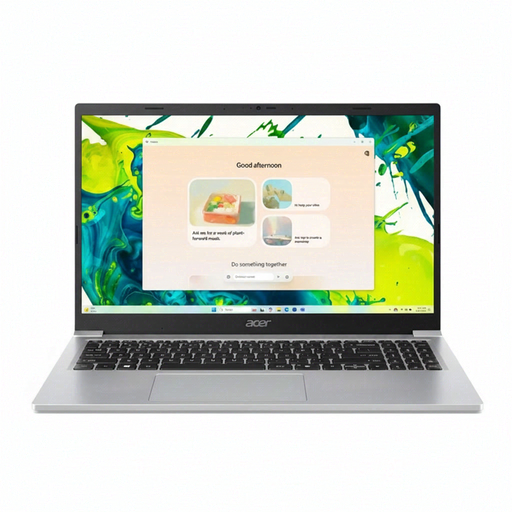
Acer Aspire Lite AL15-36P-C29Z 15.6-inch Full HD laptop, Intel N150, 8GB DDR4 RAM, 128GB SSD
Consider a laptop setup if browsing, documents and longer typing are regular tasks, and try the keyboard and pointer with the relative.
This Silver model has Windows 11 Home. Check its model-specific update support and the accessibility settings the relative needs.
View on Joybuy
 No image available
Xiaomi Pad 8 Wi-Fi tablet, 8G RAM, 128GB, Gray
A tablet may suit touch-based reading and video calls when the relative does not need to carry a phone for those tasks.
This is a Wi-Fi model, so check connectivity where it will be used. Try the required accessibility settings and check update support for the exact model.
View on Joybuy
Common questions
What should we set up before handing over the device?
Set up a screen lock, the main account, recovery details with an appropriate trusted person, Wi-Fi and updates where available. Add the contacts and communication apps the relative will use, then practise one task at a time.
Does the device need to be the newest model?
No. The National Cyber Security Centre advises checking whether a device still receives security updates rather than choosing on age alone. Confirm support for the exact model and make sure someone can help apply updates.
Will a larger screen make online tasks easier?
A larger screen gives more room for reading and controls, but it does not remove difficulties with sign-ins or unfamiliar websites. Try the relative’s usual tasks on the actual device; for lengthy typing, also test a physical keyboard.
What should we do with the old device?
Remove personal data using the manufacturer’s instructions before passing it on or recycling it. Check an appropriate electrical-waste collection route; UK government guidance says retailers must accept an old electrical item free on a like-for-like basis when a new one is bought.


