Phone-first holiday photographers
If you want little extra gear and quick sharing, decide whether zoom or camera controls would change the pictures you plan to take. Which? highlights those capabilities as reasons to consider a dedicated camera.


If carrying less and sharing quickly matter most, your phone may be enough. Which? identifies image quality, zoom and creative control as reasons to consider a dedicated camera: choose a compact for portable optical zoom, a mirrorless system when lens choice justifies a larger kit, or an action camera for mounting and water-focused video, subject to the exact model’s limits.
If you want little extra gear and quick sharing, decide whether zoom or camera controls would change the pictures you plan to take. Which? highlights those capabilities as reasons to consider a dedicated camera.
If distant details or candid moments matter but you do not want to carry several lenses, compare compact cameras by their actual zoom range and packed size. Canon’s PowerShot range and Sony’s RX100 VII illustrate different compact options.
If you want to record activities from a mount or around water, consider an action camera rather than assuming a phone or conventional camera will suit the conditions. GoPro describes its action-camera range as waterproof; check the selected model’s limits.
Choose the way you expect to shoot before comparing individual cameras: everyday sharing, portable zoom, interchangeable lenses and activity video place different demands on what you carry.
Choose it when: quick sharing and carrying no separate camera matter more than camera-specific controls or zoom.
Trade-off: phone accessories do not make it an interchangeable-lens camera or a waterproof action-camera system.
Choose it when: a packable separate camera with a suitable integrated zoom fits your travel plans.
Trade-off: the lens range is fixed by the model, so a small body alone does not establish useful reach.
Choose it when: changing lenses and taking more deliberate control of varied family or travel shots justify a camera kit.
Trade-off: lenses and accessories add to what you must select and carry.
Choose it when: mounted activity clips or capture around water matter more than zoom-led photography.
Trade-off: a wide viewpoint may be a poor match for distant subjects or conventional family portraits.
| Concern | What to check | Who this matters to |
|---|---|---|
| Carrying and sharing | Decide whether your planned shots warrant a separate camera and whether you want to share them straight away. | If I want to travel light and send family pictures promptly, another device needs to offer something I will use. Around 27% of consumers would make convenience their primary concern. |
| Portable optical zoom | Compare the exact lens range with the camera’s packed size; do not assume every compact has a long zoom. | For distant landmarks or candid moments, I want reach without carrying spare lenses. Roughly 27% of consumers would put portable zoom first. |
| Lens choice and control | Assess the body together with the lenses you would carry, including their framing range and total weight. | When family gatherings and travel scenes call for different framing, I would accept a larger kit for lens choice. About 27% of consumers would prioritise that flexibility. |
| Activity video and water | Check the model’s water-use conditions, field of view and compatibility with the mounts you need. | If I plan to film an activity hands-free or around water, those conditions matter more to me than optical reach. Around 19% of consumers would make activity capture their main concern. |
A mirrorless body may need the right lens for your intended shots, while action video can depend on mounts. Storage and power also need planning.
List the lenses, compatible cards, charging equipment, protection and mounts your trip calls for before choosing a model.
Extra lenses and mounts also take up space when you pack.
Lens ranges differ between compact models; Sony specifies a 24–200mm equivalent zoom for the RX100 VII, not for every compact. An action camera’s wide viewpoint may not suit the family portraits or distant details you want.
Write down the shots you expect, then compare the exact model’s lens range or viewpoint with those subjects.
GoPro describes its action cameras as waterproof, but the permitted conditions depend on the model. Weather protection on a compact or mirrorless camera must also be checked for the particular body and lens.
Check the manufacturer’s stated depth and use conditions, including closures and whether your activity requires a housing.
The UK Civil Aviation Authority says spare batteries belong in cabin baggage and should be protected from damage; airline conditions also apply.
Check your airline’s current rules before flying, protect spare batteries during carriage and do not travel with damaged, swollen or overheating batteries.
Canon’s PowerShot compact and EOS mirrorless lines give you two different routes to consider for travel and family photography.
Sony’s RX100 VII is a compact-camera reference point if you want a small body with an integrated zoom.
GoPro’s action-camera line is relevant when mounted or water-focused holiday video is the main use.
These choices cover mirrorless kits for varied travel and family shots, action cameras for activity video, and a compact camera aimed at self-recording. Match the lens or viewpoint and carrying needs to your plans rather than treating every camera as an alternative for the same shot.
 No image available
Consider this mirrorless kit if you want to frame travel and family subjects with a supplied zoom lens. The named kit includes a 28–70mm lens; check whether that range covers the distant subjects you expect to photograph.
Check the weight of the complete kit, compatible storage and battery arrangements before travelling.
 No image available
This mirrorless kit suits a plan to use a supplied lens for varied nearby travel or family framing. Its name specifies a 16–50mm lens and AI-powered autofocus; do not assume that lens provides the reach you need for distant subjects.
Confirm the complete kit’s carrying weight and the camera’s exact water-protection conditions before using it in wet weather.
 No image available
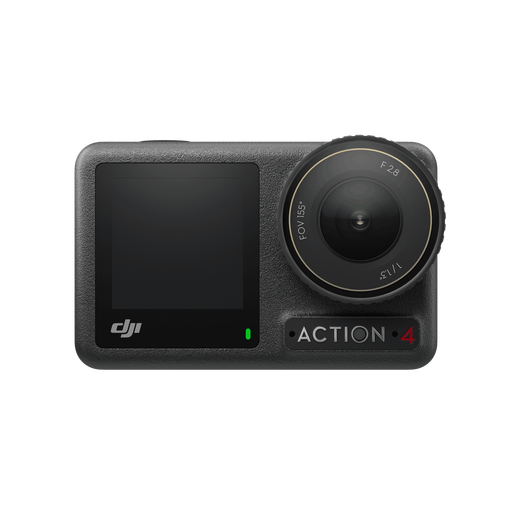
Consider this action-camera bundle for activity clips when a wide viewpoint suits the scene. Its name specifies a 155° field of view and 4K/120fps video; that viewpoint may not suit conventional portraits or distant subjects.
Check the water-use conditions and what the battery bundle contains. Plan recording time around your chosen settings rather than relying on a single headline runtime.
 No image available
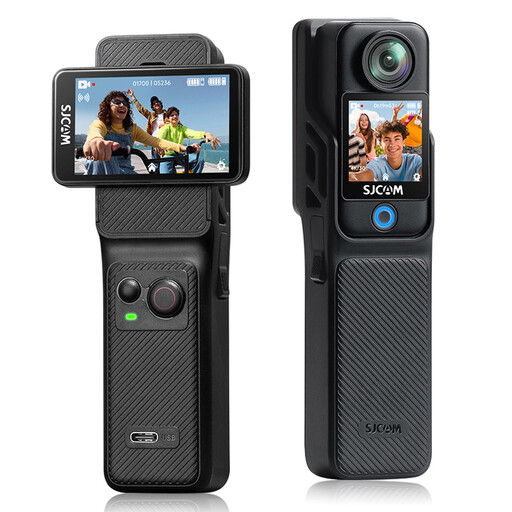
This action camera suits activity video if its wide framing fits your plans. Its name specifies a 154° viewpoint and 30 m waterproof use with a case; check the case and its conditions before taking it into water.
The stated extended runtime depends on a handle and auxiliary battery. Confirm the bundle contents and assess the recording time for your settings.
 No image available
Consider this compact camera for self-recording or nearby scenes if a wide view fits what you want to film. Its name identifies an ultra-wide lens, but do not choose it for distant subjects without confirming the available framing range.
Confirm the actual lens and whether it is interchangeable before purchase.
A phone may be enough when quick sharing and avoiding extra gear matter more to you than a separate camera’s capabilities. Which? identifies image quality, zoom and creative control as reasons to consider a dedicated camera; decide whether those would change the shots you plan to take.
GOV.UK says camera equipment can usually travel in hand or hold luggage, while battery restrictions need checking. The UK Civil Aviation Authority says to keep spare batteries protected in cabin baggage; check your airline’s current conditions for your particular batteries before departure.
Choose cards by the exact camera’s supported formats and the photo or video modes you intend to use, then plan enough capacity for your trip and back up important images where practical. Canon, for example, specifies UHS-II and UHS-I SD support for the EOS R8 Mark II; that specification does not establish compatibility for another model.
No: check the selected camera’s depth limit, closure conditions and whether your activity needs a housing. GoPro describes its action cameras as waterproof, but that range-level description does not replace the conditions for an individual model.
Decide from the selected camera’s battery design, your expected shooting time and access to charging. If you fly, follow the UK Civil Aviation Authority’s advice to protect spare batteries and carry them in the cabin, as well as checking your airline’s current rules; do not travel with damaged, swollen or overheating batteries.