What matters when choosing
Postcard photo prints
Choose when: Each learner needs a small flower image to refer to or take away.
Accept: Postcard output cannot accommodate a full-page annotated study sheet.
A4 photo inkjet
Choose when: Lessons repeatedly call for a flower image and written work on the same sheet.
Accept: A stated ink yield is not a fixed number of classroom prints; paper choice and image coverage matter.
A3 or A3+ photo printing
Choose when: Enlarged flower images are needed for display or group observation; select A3+ only if the intended media calls for it.
Accept: The larger-format workflow needs a suitable position and media plan, even if most individual work remains A4.
For flower-study printing in a small classroom, decide which requirement takes priority before comparing models.
| Concern | What to check | Who this matters to |
|---|
| Image area and detail |
Set the finished size—100 × 148 mm postcard, A4, A3 or A3+—and check the intended paper feed. |
If the class must see flower structures clearly on a shared print, image area takes priority over making individual cards. Around 36% of consumers would put display size and detail first. |
| Repeat A4 printing |
Count sheets per activity and check A4 paper handling, ink type and the supplies needed for repeated use. |
When each lesson needs photo-and-text sheets, I want a workable routine for printing them again next week. Around 29% of consumers would make recurring A4 output their main concern. |
| Individual reference cards |
Confirm that the finished card size is sufficient and that the required paper-and-ink kit suits the planned number of prints. |
If pupils annotate elsewhere, a small flower photo may be all I need to hand out. For around 21% of consumers, individual reference prints would come first. |
| Placement and connection |
Allow space for paper feeding and ask school IT which device and connection methods are permitted. |
With limited room and managed school devices, I need a printer I can position and connect within the school's rules. Around 14% of consumers would prioritise placement and setup. |
Joybuy product choices
These choices address two different activities: making larger flower-study prints and handing out small photo references. Decide which finished format the lesson needs before choosing between them.
 No image available
Epson EcoTank ET-18100 Printer
Consider this model if the lesson calls for enlarged flower-study prints. Confirm the required paper size, available space and the school's permitted connection method before buying.
View on Joybuy
 No image available
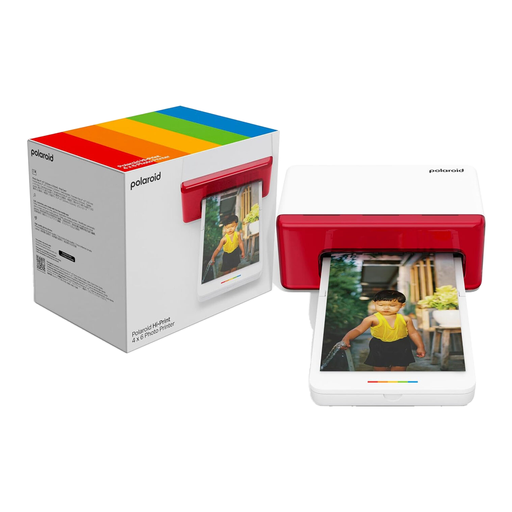
Polaroid Hi-Print Bluetooth 4x6 Photo Printer, White
Consider it for individual flower-photo references rather than annotated worksheets. Its stated 4 × 6-inch format and Bluetooth connection make the finished card size and school-device compatibility the checks to settle first.
View on Joybuy
Common questions
Is a compact photo printer big enough for flower studies?
A compact printer is suitable when pupils need small reference images, not full annotated worksheets. Canon lists the SELPHY CP1500's largest postcard medium as 100 × 148 mm; choose an A4- or A3-capable printer if the photograph and written analysis must share a larger sheet.
What format should I consider for regular classroom study sheets?
Start with an A4 photo inkjet if lessons repeatedly need a full-page flower image alongside text. Epson lists A4 borderless output and separate A4 and photo-paper trays for the ET-8500; check the expected number of sheets, paper storage and arrangements for supervised ink refilling.
Can a Wi-Fi photo printer go straight onto a school network?
No school-network permission follows simply from a printer having Wi-Fi. Ask the school IT lead which connection methods are allowed and check the exact model's security-support information; Canon's SELPHY CP1500 specifications list a support end date of 28 April 2027.
Can I use a stated photo yield to plan every lesson?
Use the stated yield as a conditional guide, not an exact lesson total. Epson says the ET-8500 can produce up to 2,300 photos from its included ink bottles under its test conditions; try a typical activity to account for your images, print sizes, paper and maintenance pattern.
What should a school do with an old printer?
Use the school's approved electrical-equipment disposal route or confirm an appropriate take-back option. UK government guidance explains that waste electrical and electronic equipment is regulated to reduce disposal through landfill and incineration; do not assume the ordinary waste route is appropriate.


