Teachers making individual handouts
Small landscape prints give each pupil something to handle or take away. A compact printer is worth considering when it must share a classroom table with other lesson materials.


Choose a compact postcard printer when pupils need individual travel-landscape prints and table space is limited; choose an A3 or A3+ inkjet when the work needs to be displayed at a larger size. An instant-film printer suits phone-led journals and keepsakes instead, but its format does not replace a classroom wall display. Check the intended print size, device connection, replenishment media and permission to use the images before buying.
Small landscape prints give each pupil something to handle or take away. A compact printer is worth considering when it must share a classroom table with other lesson materials.
Wall displays and group critiques call for a larger print than a postcard. An A3 or A3+ printer is the relevant route if there is room for its paper-loading and printing workflow.
Phone-led printing and physical keepsakes suit collages and captions. Instant film is a creative format to consider rather than a way to produce conventional large photo prints.
Decide whether the lesson chiefly needs individual prints, a wall display or phone-led keepsakes. That choice sets the useful print size before you compare media and connections.
| Concern | What to check | Who this matters to |
|---|---|---|
| Individual prints on a small table | Check the printer’s working footprint, maximum print size and compatible media pack. | If every pupil needs a landscape print to handle, postcard size may be enough without dedicating space to an A3 printer. Around 42% of consumers put compact individual handouts first. |
| Larger landscape displays | Confirm the supported A3 or A3+ paper size and allow room to load the chosen sheets. | For a wall display or group critique, I need a print large enough to show the landscape to others. Larger display output comes first for around 33% of consumers. |
| Phone-led keepsakes | Check the film or paper format and compatibility with the devices and app used in class. | When the activity is a travel journal or collage, I would favour a tangible print made from a phone image over display size. Around 25% of consumers prioritise that creative activity. |
Canon specifies 100 × 148 mm postcard media for the SELPHY CP1500, while Epson’s Expression Photo XP-970 prints up to A3 and Canon’s PIXMA PRO-200S supports A3+. Those sizes serve different classroom outcomes.
Make a full-size mock-up of the intended display before choosing a printer. Use the compact route only if a postcard print meets the lesson’s purpose.
Postcard dye-sublimation prints need matching media and colour supplies; instant-film printers need film, while inkjet printing needs suitable inks and paper.
Check the correct supplies and allow for the planned number of pupils, test prints and reprints before setting the activity.
Connection routes differ. Canon lists Wi-Fi, USB-C and memory-card printing for the SELPHY CP1500; Epson lists Wi-Fi, Wi-Fi Direct and Ethernet for the XP-970; Fujifilm’s instax Link WIDE 2 uses Bluetooth and an app.
Try the intended school device and connection method before the lesson, and check whether a supported wired or local-media route could serve as a fallback.
Sorting out an untested connection during class can take time away from the printing activity.
The UK Intellectual Property Office says photographs and other images are generally protected by copyright. The Department for Education’s guidance on centrally purchased licences concerns state schools in England and use covered by the relevant licence terms; it does not establish permission for every image or school.
Use images created by pupils or staff, or check the permission or applicable licence for each outside image and the intended classroom use.
Canon has distinct compact-postcard and A3+ photo-printing options relevant to this choice.
Epson’s Expression Photo XP-970 is an A3 printing option that also scans and copies up to A4.
Fujifilm instax is relevant when the lesson calls for phone-led instant-film prints.
These printers suit smaller individual landscapes or phone-led keepsakes. Compare their stated print formats with the size your lesson needs before choosing one for handouts or journals.
 No image available
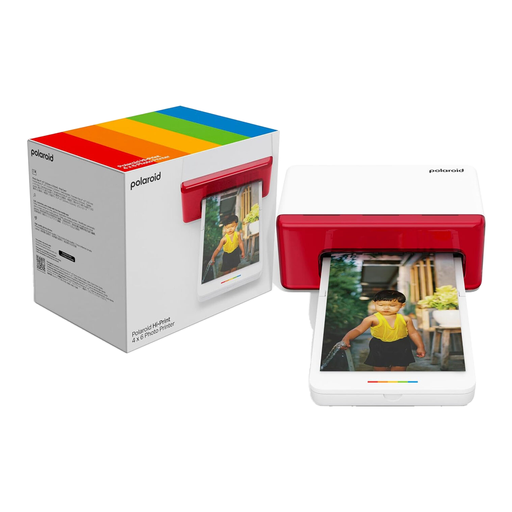
Consider this 4x6 format for individual landscape handouts rather than an A3 wall display. Its title specifies Bluetooth; check device compatibility, working clearance and the required paper cartridges for your class.
 No image available
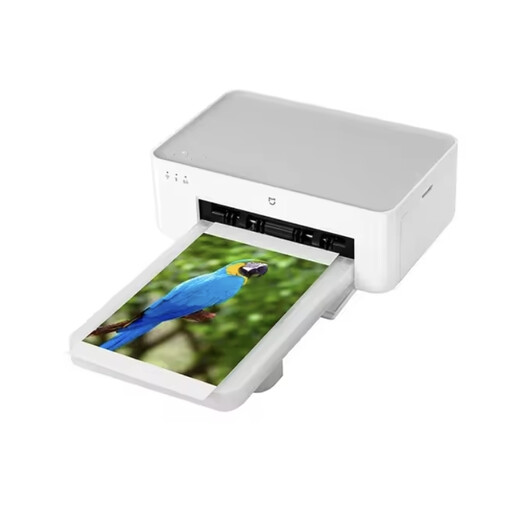
Consider this portable model for small personal keepsakes, not a classroom wall display. Before planning a phone-led activity, confirm the print format, compatible paper and app support on the school’s devices.
 No image available
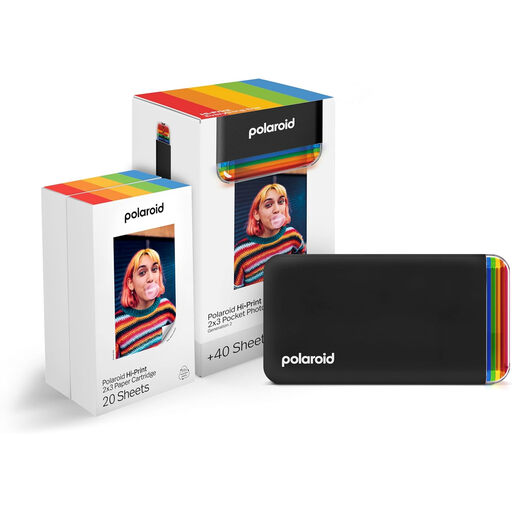
The 2x3 format suits small travel-journal or collage prints rather than postcard handouts or displays. The bundle includes 40 sheets; check how many the class will need, along with compatible replacement cartridges and device connection.
Yes, if pupils need individual handouts or travel-journal inserts rather than a wall display. Canon specifies 100 × 148 mm postcard media for the SELPHY CP1500; for a larger shared display, compare A3 or A3+ printers instead.
Choose a connection that works with the devices the class will actually use, then test it before the lesson. Canon lists Wi-Fi, USB-C and memory-card printing for the SELPHY CP1500; Epson lists Wi-Fi, Wi-Fi Direct and Ethernet for the XP-970; Fujifilm’s instax Link WIDE 2 connects through Bluetooth and its app.
Plan for the printer’s particular paper, film and ink or cartridge system, including test prints and reprints. Canon’s SELPHY range uses compatible paper-and-colour supplies, instax printing needs film, and inkjet photo printing needs suitable ink and paper; confirm the correct media and quantity for the selected model.
Only when the intended copying is permitted; finding an image online does not itself grant permission. The UK Intellectual Property Office says photographs are generally protected by copyright. The Department for Education says centrally purchased licences for state schools in England cover content from a range of sources for non-commercial educational use, subject to the applicable licence terms. Check that the school, image source and activity are covered; that guidance does not establish coverage for independent schools or schools elsewhere in the UK.