Choose a compact photo printer when the studio mainly hands out small seaside prints; choose an A4 or A3+ photo inkjet when several users need a wider range of print sizes. For larger display or sale prints, consider a professional pigment-ink workflow instead. Set the required finished size first, then check compatible media, how users will send images and who will manage consumables and upkeep.
Who each printing route suits
Photographers making display prints
If coastal photographs are destined for walls, portfolios or sale, you need to decide on the finished size and paper before choosing a printer. Canon and Epson describe A3+ professional photo models for this kind of work; a small handout printer serves a different purpose.
Regular shared-space printers
If several people produce photographs in different sizes, an A4 or A3+ workflow and a clear approach to paper, ink and shared access matter more than the speed of one small print. Epson lists multiple feeds and network connection options for the EcoTank ET-8550.
Quick-print session hosts
If participants take a small seaside photograph away after a session, a compact print station may be sufficient. Canon states that its SELPHY CP1500 produces a ready-to-handle 100 × 148 mm postcard print in 41 seconds; check whether that format meets the studio's actual needs.
What matters when choosing
Start with the largest photograph the studio must produce. Then weigh regular mixed-size work against quick handouts, and agree how everyone will access and maintain the printer.
| Concern |
What to check |
Who this matters to |
| Large display prints |
Confirm the maximum finished and borderless sizes, plus the feed path for the intended photo or fine-art paper. |
If I plan to display or sell enlarged seaside photographs, a postcard print will not meet my size requirement. Around 31% of consumers put large-format presentation first. |
| Regular mixed-size output |
Check the exact model's supported sizes, paper feeds, refill availability and connection options. |
When our studio regularly switches between smaller photographs and A4 or A3+ work, I need a workflow we can keep supplied. For around 31% of consumers, that flexibility is the primary concern. |
| Quick small prints |
Confirm the finished format, compatible paper-and-ink packs and the printing method for the studio's devices. |
If participants need a photograph to take away promptly, I care more about a usable small print than an enlargement. Roughly 23% of consumers prioritise fast handouts. |
| Shared access and upkeep |
Check device compatibility and connection methods; assign responsibility for paper settings, supplies and inkjet maintenance. |
When several people use one station, I need clear access and upkeep responsibilities so printing does not depend on one person being present. Around 15% of consumers place shared-workflow simplicity first. |
Buying pitfalls
-
Choosing a postcard printer for planned enlargements
Canon lists small formats for the SELPHY CP1500, while A3+ printers serve a substantially larger finished-print requirement. A quick handout printer does not replace an enlargement workflow.
Write down the largest photograph the studio needs to make before comparing printer size or print time.
-
Treating an ink-yield claim as a running-cost promise
Actual use depends on the studio's print sizes, paper and maintenance routine. A stated bottle yield alone cannot settle which printer will suit recurring work.
Plan around the intended output and check the exact model's compatible paper and replacement ink before choosing a refillable printer.
Epson notes that some inkjet maintenance actions use ink, which also matters when planning supplies.
-
Leaving inkjet maintenance to whoever notices a problem
Fading, banding or missing colours can interrupt a shared printing session. Epson advises a nozzle check followed by head cleaning when these print-quality symptoms occur.
Give one person responsibility for monitoring output and supplies, and record the media setting used for each paper type.
-
Assuming a production printer is ready for UK use
Mitsubishi Electric describes the CP-D90DW as a rapid small-format printing route, but its model specification alone does not establish the terms of a UK purchase.
For a specialist production model, ask the UK seller to confirm the exact model, supplied power configuration, warranty and compatible media and ribbon supply before ordering.
Relevant brands to consider
Canon
Canon offers distinct small-handout and A3+ professional photo routes relevant to this studio decision.
- Canon states that the SELPHY CP1500 makes a ready-to-handle 100 × 148 mm postcard print in 41 seconds. Its imagePROGRAF PRO-310 is a separate A3+ model with 10 individual inks and Chroma Optimiser.
- The SELPHY's small-format convenience does not establish what the PRO-310 will be like to operate, and the PRO-310's media capability does not extend to the SELPHY.
Epson
Epson's EcoTank and SureColor lines address different photo-printing workflows, from recurring mixed-size work to more specialised printing.
- Epson describes the EcoTank ET-8550 as a six-colour A3+ refillable photo printer with multiple feeds and Wi-Fi and Ethernet options. Its SureColor SC-P700 uses UltraChrome Pro 10 ink.
- An inkjet in a shared space needs an agreed maintenance routine. Epson advises nozzle checks and head cleaning when prints show fading, banding or missing colours.
Mitsubishi Electric
The CP-D90DW represents a specialist route for repeated small-format print sessions rather than A3+ display work.
- Mitsubishi Electric lists a fine-mode time of about 7.8 seconds for a 4 × 6 inch print and capacity of up to 400 prints per roll with specified thick-grade 4 × 6 inch media.
- Before choosing this route for a UK studio, confirm the seller's model configuration, warranty and compatible media supply.
Joybuy options for small prints
These options suit small photographs and take-away keepsakes from shared sessions. Choose by the finished print format and phone-printing needs; they are not substitutes for an A4 or A3+ display-print workflow.
 No image available
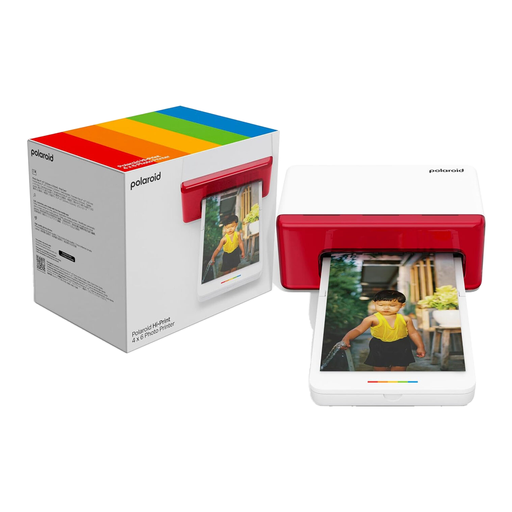
Polaroid Hi-Print Bluetooth 4x6 Photo Printer, White
Consider this model when the studio wants 4 × 6 inch seaside photographs printed from phones. Confirm the compatible paper cartridge and how individual users will take turns at a shared station; this small format will not produce A4 or A3+ display prints.
View on Joybuy
 No image available
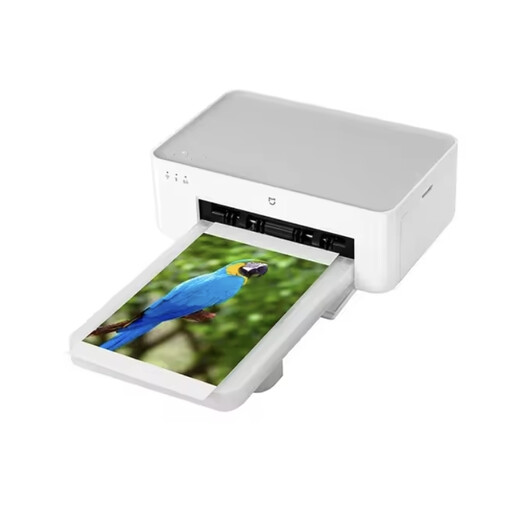
Xiaomi Portable Photo Printer 1S
This is a portable option for very small take-away photographs rather than postcard-size or enlarged prints. If several people will print from phones, check the app against their devices and confirm a supply of compatible paper.
View on Joybuy
 No image available
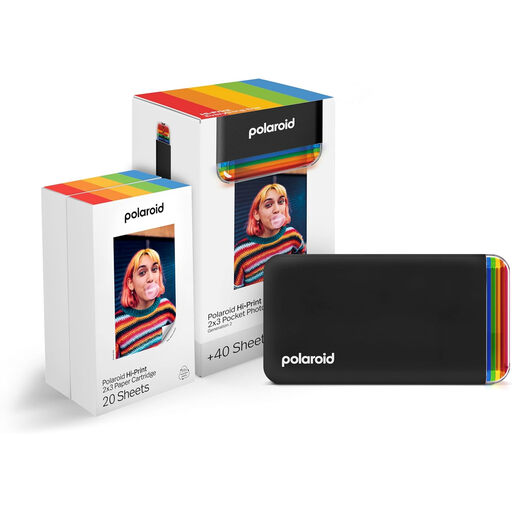
Polaroid Hi-Print Bluetooth 2x3 Photo Printer with 40 Sheets
Choose this bundle for small photo keepsakes when having 40 sheets included suits the first sessions. Its 2x3 format is smaller than a postcard; check replacement cartridge compatibility before planning regular use.
View on Joybuy
 No image available
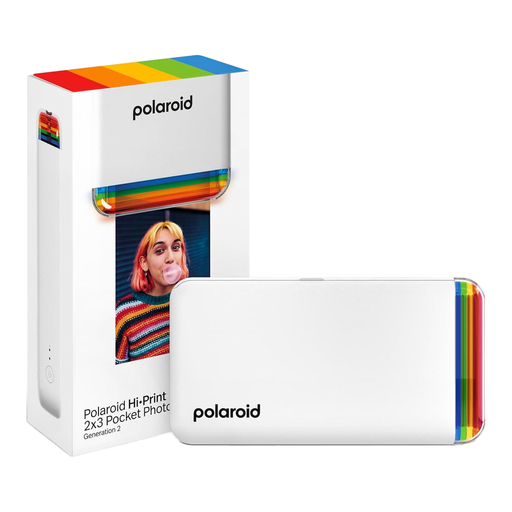
Polaroid Hi-Print 2x3 Printer Gen 2, White
This portable model suits small phone-photo keepsakes, not postcard prints or enlargements. Check what paper comes with the purchase and which replacement cartridges the studio will need.
View on Joybuy
Frequently asked questions
Should a shared studio choose a postcard printer or an A3+ photo printer?
Choose a postcard printer if quick small prints are the main deliverable; choose an A3+ photo printer if the studio needs enlargements. Canon specifies 100 × 148 mm postcard output for the SELPHY CP1500, while Canon's PRO-310 and Epson's ET-8550 offer A3+ printing for different photo workflows.
Which connections matter when several people share a printer?
Choose connection methods that match the devices and access rules in the studio. Epson lists Wi-Fi, Wi-Fi Direct and Ethernet for the ET-8550; Canon lists Wi-Fi, USB-C and an SD-card reader for the SELPHY CP1500. Confirm device compatibility and whether the studio needs a wired connection.
Who should maintain a shared inkjet photo printer?
Assign someone to monitor print quality and consumables so maintenance has a clear owner. For symptoms such as banding or missing colours, Epson advises a nozzle check followed by head cleaning through the printer's maintenance controls.
What should a UK studio consider when a printer reaches the end of its life?
Plan the studio's disposal arrangements for electrical equipment rather than treating the purchase as finished when printing stops. UK Government WEEE guidance addresses obligations for producers and distributors; check the arrangements that apply to the studio's own end-of-life equipment.


