Choose an A3+ photo printer if the studio needs larger still-life presentation sheets; a refillable model is worth considering when repeated proofs and shared use also matter. If A4 proofs are enough, an A4 printer may meet the need, while a compact dye-sublimation printer is suited to quick small review prints rather than A3+ studies. Check the intended paper, connections and consumables before settling on one shared machine.
Who needs which print workflow?
A3+ presentation printers
If still-life studies need larger sheets for wall review or presentation, start with output size and the paper you intend to use. Canon UK specifies A3+ borderless output and fine-art media support for the PIXMA PRO-200S; confirm that its supported media suit your work.
Frequent studio proof printers
If several people repeatedly print proofs, refillable ink and convenient connections may matter more than specialist presentation features. Canon UK specifies the refillable PIXMA G650 for photos up to A4, while Epson United Kingdom positions the refillable EcoTank ET-8550 as an A3+ multifunction option.
Quick review-print users
Small prints can help a group compare compositions without producing a presentation sheet each time. Canon UK specifies postcard-size SELPHY CP1500 prints in 41 seconds; DNP Photo specifies 4x6 output in under nine seconds for the DS620A. Neither format meets a need for A3+ studies.
What matters when choosing?
Set the largest finished print size first, then decide how often the studio will make proofs and whether its chosen paper and shared connections fit the printer.
| Concern |
What to check |
Who this matters to |
| Print size and media |
Check the largest printable size, borderless options at that size and support for the intended paper. |
If my studies need larger display sheets or a particular art paper, A4 proofs alone will not cover the job; around 36% of consumers put presentation size and media choice first. |
| Repeated proofs and shared use |
Compare ink systems, the basis of stated yields, connection options and any scan or copy functions the group needs. |
When several of us print proofs regularly, I want a workflow that is straightforward to share and replenish; about 29% of consumers prioritise recurring proofing and shared access. |
| Tone and colour on paper |
Check the exact ink system and supported media, then make a proof on the paper the studio plans to use. |
If shadow gradations and surface colour shape how my study is presented, the result on our chosen paper matters most; roughly 21% of consumers put tonal and colour presentation first. |
| Small review prints |
Confirm the available print formats and whether the studio also needs a separate route for larger sheets. |
For a group critique, I may value prompt small copies over display-sized output; around 14% of consumers place rapid review prints first. |
Mistakes to avoid
-
Choosing A4 before agreeing on the finished study size
Canon UK specifies photos up to A4 for the PIXMA G650, whereas its PIXMA PRO-200S and Epson United Kingdom’s EcoTank ET-8550 offer A3+ output. An A4 proofing workflow cannot produce an A3+ presentation sheet.
Agree on the largest sheet the group will need before comparing ink systems or other features. If larger studies will be printed elsewhere, plan that step into the workflow.
-
Using a quoted photo yield as a fixed result
Manufacturer photo yields depend on their stated test conditions. They do not tell you how many finished still-life prints the studio will get with its own paper, coverage and printing pattern.
Compare yield claims only on their stated basis, and plan separately for paper, cleaning and maintenance consumables.
-
Making a small-format printer the only route for large studies
Canon UK specifies postcard-size to mini-sticker output for the SELPHY CP1500. DNP Photo lists standard DS620A formats up to 6x8. Their quick small prints do not provide A3+ presentation output.
Use this route for critique copies if a separate printer or print service will handle larger finished studies.
-
Overlooking setup and maintenance on a specialist printer
Epson United Kingdom states that initial setup of the SureColor SC-P700 uses supplied ink and affects the ink and maintenance-box service life remaining afterwards.
Check replacement ink and maintenance-box availability, and decide who will monitor supplies in the shared studio.
Relevant printer brands
Canon
Canon UK specifies options for distinct jobs: refillable A4 proofs with the PIXMA G650, A3+ presentation prints with the PIXMA PRO-200S, and small dye-sublimation review prints with the SELPHY CP1500.
- The G650 has six refillable dye inks; the PRO-200S has eight dye inks and supports fine-art media.
- The G650 stops at A4 photo size, while the SELPHY CP1500 is a small-print option rather than an A3+ printer.
Epson
Epson United Kingdom specifies the EcoTank ET-8550 for A3+ refillable multifunction printing and positions the SureColor SC-P700 as a more specialist pigment-ink photo printer.
- The ET-8550 combines A3+ output with refillable tanks, scan and copy functions, Wi-Fi Direct and Ethernet.
- For the SC-P700, allow for ink used during initial setup and check the maintenance-box requirements before adopting it for shared work.
DNP
DNP Photo specifies the DS620A for repeated small dye-sublimation prints, including 4x6 and 6x8 formats.
- DNP Photo specifies 4x6 output in under nine seconds for the DS620A.
- Its standard formats do not extend to A3+; confirm local supply and consumables if considering it for a studio review station.
Joybuy products for studio proofs
These two printers cover different still-life proofing needs: A3+ output with refillable ink and shared connections, or A4-sized proofs with print, scan and copy functions. Check paper compatibility against the studio’s intended work before choosing either one.
 No image available
Epson EcoTank ET-18100
Consider this model when the studio needs A3+ borderless still-life prints and several people need to send jobs to the printer.
Its listed features include six refillable dye inks, Wi-Fi and Ethernet. Confirm that the intended photo or fine-art paper works with its feed before making it the studio’s shared printer.
View on Joybuy
 No image available
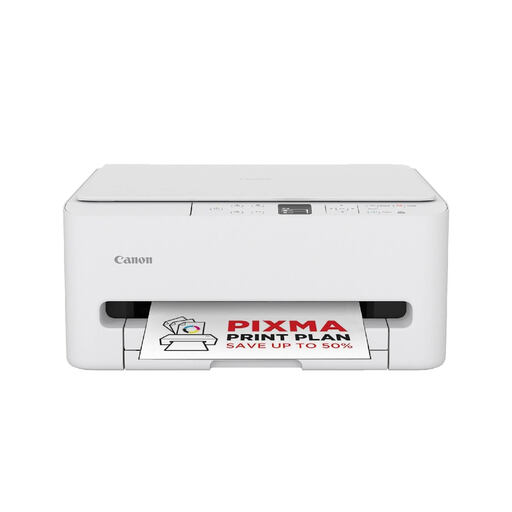
Canon PIXMA TS6550i
Consider this model for smaller still-life proofs when the same shared device also needs to print, scan and copy; its stated media sizes are A4 and A5, not A3+.
Its listed connections include wireless and Ethernet. Check support for the photo paper you intend to use and assess a proof on that paper before relying on it for presentation work.
View on Joybuy
Common questions
Can one printer handle A3+ studies and ordinary studio documents?
Yes, an A3+ multifunction printer can cover both jobs if its paper paths suit the media you use. Epson United Kingdom specifies print, scan and copy functions, front trays for smaller media and A3+ rear feeds for the EcoTank ET-8550; check the intended paper before making it the shared default.
Can a compact dye-sublimation printer replace an A3+ photo printer?
Not when the studio needs A3+ still-life sheets. Canon UK specifies small formats for the SELPHY CP1500, and DNP Photo specifies standard DS620A output up to 6x8. Either may serve as a separate station for quick review copies.
Which consumables should we check for a specialist photo printer?
Check replacement ink and maintenance parts as well as the paper you plan to use. For the SureColor SC-P700, Epson United Kingdom states that supplied ink is used during initial setup and that maintenance-box service life remaining afterwards is limited.
Will a stated ink-bottle yield tell us how many studio proofs we can print?
No; manufacturer photo yields use specified test conditions and do not guarantee the result for your still-life images and paper. Compare the stated print sizes and test bases, then account for the studio’s own coverage, settings and cleaning pattern.


