What matters when choosing
Decide the size and purpose of the finished study first. That separates A3+ display or working prints from small references before you compare ink systems and paper handling.
| Concern | What to check | Who this matters to |
|---|
| Fine-art display |
Check for pigment ink and support for the exact fine-art paper and size you intend to use. |
If I plan to frame a flower study or keep it in a portfolio, paper compatibility and tonal control come before convenient small prints. Around 33% of consumers would put this fine-art need first. |
| Colour and paper choice |
Check A3+ and borderless options, then match the paper finish and weight to the specified feed path. |
For a mix of glossy colour studies and prints on textured paper, I need the printer to handle each chosen sheet. Roughly 27% of consumers would prioritise that flexibility. |
| Regular A3+ working prints |
Compare the ink system, replacement-ink availability and supported paper for repeated drafts. |
If I make frequent larger drafts, I want a practical printing routine without assuming that vivid dye prints serve the same long-term display purpose as pigment prints. Around 27% of consumers would put regular A3+ output first. |
| Small proofs |
Confirm the largest print size and availability of the matching paper or cartridge. |
When I only need a physical reference beside my work, a small print may be enough, but it cannot stand in for a large finished study. Approximately 13% of consumers would prioritise compact proofs. |
Compact printers for small studies
These Joybuy choices suit small flower-study proofs and physical references. Choose the print dimensions you need; neither is an A3+ printer for larger finished work.
 No image available
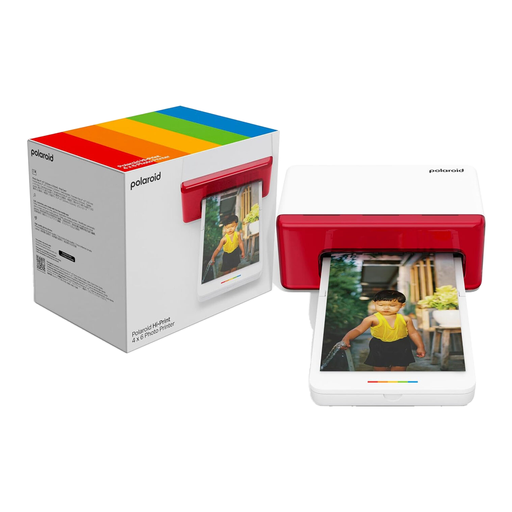
Polaroid Hi-Print Bluetooth 4x6 Photo Printer, White
Consider its 4 x 6 inch format for small flower-study proofs or references, not A3+ presentation prints.
Check that its dedicated paper cartridge is available for continued use. If your prints are intended for long-term display, confirm that the paper and colour workflow meet your requirements.
View on Joybuy
 No image available
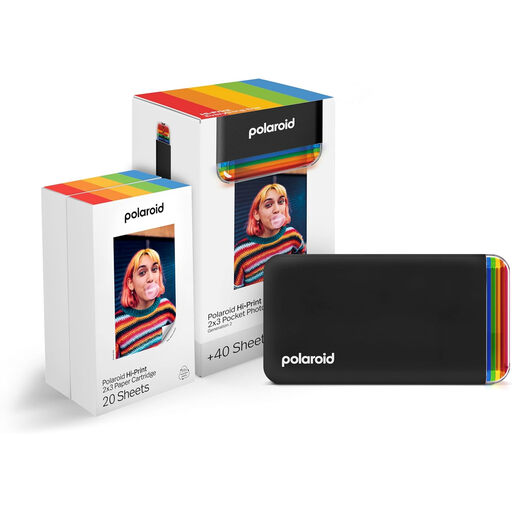
Polaroid Hi-Print Bluetooth 2x3 Photo Printer with 40-Sheet Paper Bundle
Consider this smaller format for very small flower-study proofs or references rather than postcard-size or larger finished prints.
The named bundle includes 40 sheets. Check the print dimensions against the detail you need to see, along with the availability of its dedicated replacement paper cartridges.
View on Joybuy
Common questions
Should I choose pigment or dye ink for framed flower studies?
Start by considering pigment ink if fine-art presentation and long-term display are your priorities. Epson positions pigment ink for gallery-quality work and dye ink for vibrant, glossy hobby prints; your chosen paper, printer profile and display conditions also matter.
Do botanical prints need an A3+ printer?
A3+ is useful when your planned composition, frame or portfolio requires that size, but small references do not require it. Canon specifies A3+ output for the imagePROGRAF PRO-310 and PIXMA PRO-200S, while its SELPHY CP1500’s listed range starts at 100 x 148 mm postcard prints and extends to smaller formats.
What should I check before choosing fine-art paper?
Check the exact printer’s supported media, feed path and any paper-margin guidance. Canon lists different top-tray and manual-feed options for the imagePROGRAF PRO-310, so a paper’s finish and weight matter alongside its size.
How should I plan for disposing of an old photo printer in the UK?
Check your retailer’s take-back information or your local authority’s current electrical-recycling service rather than putting the printer in general waste. GOV.UK’s guidance on the Waste Electrical and Electronic Equipment Regulations 2013, as amended, explains the UK framework and principally addresses organisations involved in supplying electrical equipment.


