Who each format suits

Food-styling and recipe-project students

If you need photographs to annotate, pin up or include in a physical project, start with the finished print size. Canon's SELPHY CP1500 supports 100 x 148 mm postcards; Epson's ET-8500 supports A4 borderless photos. A pocket sticker printer serves a different, smaller format.

Phone photographers short on space

If you shoot food on your phone and put the printer away between uses, compare its storage dimensions, phone connection and power source. A compact desktop model can produce a larger photo than a rechargeable pocket printer, but still needs a place to use it.

Students sharing a printer for several tasks

If food photos sit alongside coursework or documents, consider an A4-capable printer rather than assuming a dedicated portable photo printer can handle both. Check its footprint and supported photo paper as well as any document functions you need.

What to check before choosing

Decide whether the finished food photo needs to be postcard-sized or larger, or whether a small creative print is the point. Then weigh storage and phone printing against any need to print coursework repeatedly.

Concern What to check Who this matters to
Useful photo size Check the finished image size and whether the intended paper supports borderless printing. I need food photographs large enough for a recipe project or display, not just a sticker. Around 29% of consumers would put presentation-sized photos first.
Flat-friendly setup Compare storage dimensions, phone compatibility and whether printing requires mains power. My desk is shared or short on space, so I need to store the printer between uses. Compact, phone-first printing would be the primary need for around 29% of consumers.
Repeated, mixed printing Check A4 capability, the required supplies and whether you need copying or scanning. Food photos are only one of my recurring print jobs; coursework and documents matter too. Around 24% of consumers would prioritise that mixed use.
Creative small prints Confirm the actual image area, adhesive backing or film format, and phone-app compatibility. I want food pictures for a recipe journal or to share as instant-film prints, even if the images are small. That format would come first for around 18% of consumers.

Buying pitfalls

  • Assuming portable means postcard-sized

    Portable printers produce different formats. Canon specifies 54 x 85 mm card-size media for the SELPHY QX20, while Fujifilm gives the instax Link WIDE a 62 x 99 mm image area on its film; neither is a standard 10 x 15 cm photograph.

    Choose the finished size before choosing the printer. If a recipe portfolio needs larger images, check for postcard, 10 x 15 cm or A4 output instead of relying on the word “photo” in the product name.

  • Assuming photo paper works in every printer

    These formats use different supplies: the Canon SELPHY CP1500 takes compatible paper-and-ink media, Fujifilm sells INSTAX WIDE film separately from the Link WIDE printer, and ink-tank printing still requires suitable paper and replacement ink.

    Check the exact compatible media, what comes with the printer and how many prints a pack contains before committing to a format.

  • Overlooking where the printer gets its power

    Canon specifies AC power for normal SELPHY CP1500 use, whereas the SELPHY QX20 and Fujifilm instax Link WIDE have built-in rechargeable batteries. A small printer is not necessarily one you can use away from a socket.

    Confirm the power arrangement and whether a battery is included, then choose a safe place to print without trailing cables through a cooking area.

  • Ignoring accommodation rules or damaged cables

    Shared accommodation may have its own rules for electrical equipment. Hampshire & Isle of Wight Fire and Rescue Service warns students not to overload sockets or use damaged devices, cables or plugs.

    Read your accommodation guidance, inspect the equipment before use and avoid overloading sockets.

Relevant brands for reference

Canon

Canon's SELPHY CP1500 and QX20 illustrate two different small-space choices: postcard-size desktop photos and smaller rechargeable sticker prints.

  • Canon specifies phone printing over Wi-Fi for both models; the CP1500 supports 100 x 148 mm postcard media.
  • The CP1500 normally uses AC power and compatible media. The QX20 is battery-powered, but its card-size and square media are smaller.

Epson

Epson's EcoTank ET-1810 and ET-8500 are desk-based options to consider when food photos accompany coursework or other printing.

  • Epson specifies borderless photos up to 10 x 15 cm for the ET-1810; the ET-8500 supports A4 borderless photos and adds copying and scanning.
  • Both need space for a desk-based printer. Match the photo paper and ink supplies to the jobs you actually plan to print.

Fujifilm

The instax Link WIDE is an option when the intended result is an INSTAX WIDE instant-film food picture rather than a conventional postcard or A4 print.

  • The rechargeable phone printer uses Bluetooth and produces a 62 x 99 mm image area on INSTAX WIDE film.
  • Fujifilm sells the film separately from the printer.

HP

The Sprocket Select represents a small sticker-photo option for casual phone prints and recipe journals.

  • HP specifies Bluetooth connectivity and a 10-sheet input tray for the Sprocket Select.
  • Its small-print format does not take the place of postcard-size, 10 x 15 cm or A4 photographs.

Joybuy product choices

These choices cover a 4 x 6 photo format, a printer to consider for larger projects, and two smaller phone-photo formats. Choose by the print you need; the compact options do not serve the same purpose as a larger coursework printer.
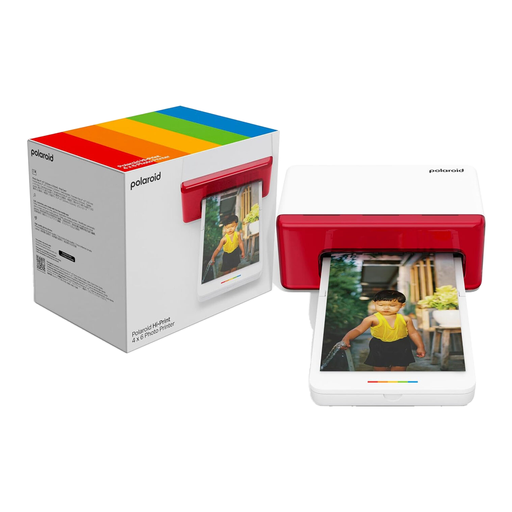
White Polaroid Hi-Print Bluetooth 4x6 photo printer

Polaroid Hi-Print Bluetooth 4x6 Photo Printer, White

Consider the 4 x 6 format if you want food photos larger than pocket stickers and plan to print from a phone. Check the compatible cartridge and whether your printing spot needs mains power.

View on Joybuy

Epson EcoTank ET-18100 printer

Epson EcoTank ET-18100 Printer

Consider this desk-based option if larger food-photo projects and other printing share the same workspace. Check its dimensions, supported photo-paper sizes and whether any coursework tasks require copying or scanning.

View on Joybuy
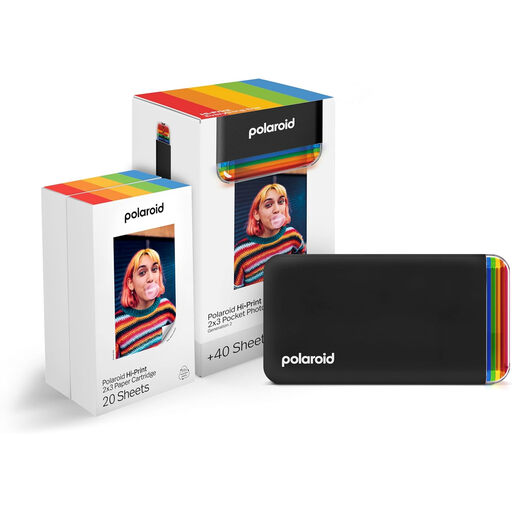
Polaroid Hi-Print Bluetooth 2x3 photo printer and 40-sheet paper bundle

Polaroid Hi-Print Bluetooth 2x3 Photo Printer, 40-Sheet Bundle

The small-format choice suits food pictures for a recipe journal rather than larger display prints. The bundle includes 40 sheets; check which replacement supplies fit once those are used.

View on Joybuy
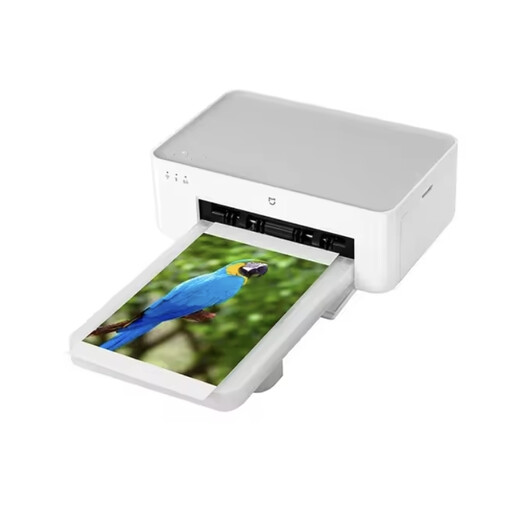
Xiaomi Portable Photo Printer 1S

Xiaomi Portable Photo Printer 1S

Consider this portable phone-photo option for small pictures to share or add to a journal, not postcard-size food photographs. Check the finished image size, phone-app compatibility and suitable replacement paper.

View on Joybuy

Common questions

What printer format works for food photos in a student flat?

Start with the finished size: a compact postcard-format printer works for standard small food photographs, while a pocket sticker printer suits journals and labels. Canon specifies 100 x 148 mm postcard media for the SELPHY CP1500; Epson specifies borderless photos up to 10 x 15 cm for the desk-based ET-1810.

Can a portable photo printer replace an A4 coursework printer?

Not if your coursework requires A4 pages or functions the portable model does not offer. Canon's SELPHY QX20 uses card-size or square photo media, and the Fujifilm instax Link WIDE prints on INSTAX WIDE film. Check the A4 printer's copying and scanning functions separately if you need them.

Which supplies should I check before buying?

Match the supplies to the exact printer and the number of photos you expect to make. The Canon SELPHY CP1500 uses compatible paper-and-ink media, Fujifilm sells INSTAX WIDE film separately from the Link WIDE printer, and an ink-tank printer still needs suitable photo paper and replacement ink.

What should I check before using a printer in student accommodation?

Read your accommodation's electrical-equipment guidance and inspect the printer, plug and cable before use. Hampshire & Isle of Wight Fire and Rescue Service advises students not to overload sockets or use damaged electrical equipment, cables or plugs.