High-volume memory-print coordinators
You expect to make repeated 10 × 15 cm and A4 prints during busy studio sessions, so refilling supplies and keeping the printer available matter alongside print size.


Choose a refillable A4 photo printer for frequent standard-size prints when the shared studio also needs copying and scanning; choose an A3+ model when larger displays are essential. A compact photo printer makes more sense for take-home handouts, provided its smaller print format meets the brief. Before buying, check paper sizes, connections, replacement supplies and the school’s process for handling pupil photographs.
You expect to make repeated 10 × 15 cm and A4 prints during busy studio sessions, so refilling supplies and keeping the printer available matter alongside print size.
You need larger layouts or thicker media for display boards, exhibitions and keepsake pages, rather than only small prints to take home.
You need a printer that fits an activity table and produces small handouts promptly, with connections suited to the devices staff will use.
Decide which finished print sizes are essential before weighing up supplies and shared access: a small handout printer cannot take the place of an A4 or A3+ display printer.
Choose it when: The studio regularly makes standard-size memories and also needs copying or scanning; Canon lists those functions on the PIXMA G650.
Accept: The PIXMA G650 prints borderless photos up to A4, not A3+ displays.
Choose it when: Larger displays and varied media are central; Epson lists A3+ borderless output and feeds for thicker media on the ET-8550.
Accept: Check that a larger desktop printer fits the studio and that its media handling matches the planned prints.
Choose it when: Prompt postcard-size handouts are the main output; Canon quotes 41 seconds for a postcard print from the SELPHY CP1500.
Accept: Its smaller formats will not cover A4 pages or A3+ displays.
| Concern | What to check | Who this matters to |
|---|---|---|
| Print volume and supplies | Compare the stated yield for the print size you plan to use, then check refills and maintenance parts. | When prints are needed throughout a busy session, I want a supply routine that will not repeatedly interrupt it. Around 36% of consumers would put that need first. |
| Print size and media | List essential finished sizes and confirm borderless support and suitable paper feeds for each. | If memories will become yearbook pages or display boards, small handouts alone will not do. For around 29% of consumers, format flexibility would be the primary need. |
| Prompt handouts | Check the quoted time at the intended size and the connections available at the activity table. | At an event, I need to hand over a finished small print while the activity is still running. That would be the leading concern for around 21% of consumers. |
| Shared access and privacy | Confirm permitted connection methods and agree who can send, store and share pupil images. | When several people use the printer, I need control over image access as well as a convenient connection. Around 14% of consumers would make that their first priority. |
Canon lists the SELPHY CP1500 for postcard-size and smaller prints, while its PIXMA G650 reaches A4 and Epson lists A3+ output on the ET-8550. A paper-size setting cannot bridge those format differences.
Write down every essential finished size before choosing a printer, including any display prints planned beyond the first event.
Manufacturer yields depend on specified print conditions. Your mix of image sizes, paper and coverage may differ from the conditions behind the quoted figure.
Check the yield conditions for the exact model and print size, and try a small batch using the intended media before settling on a repeat-print workflow.
A convenient connection does not decide who may send, keep or share recognisable pupil photographs. The Information Commissioner’s Office says that a photograph from which someone can be recognised is usually their personal data.
Agree permitted devices, file storage and sharing with the school before opening the printer to multiple users.
Canon identifies a user-replaceable maintenance cartridge for the PIXMA G650, and Epson identifies replaceable maintenance components for the ET-18100. A replacement needed mid-session can pause printing.
Check the exact part and replacement procedure for the model you choose, and plan how approved supplies will be kept ready.
The SELPHY CP1500 and PIXMA G650 represent different jobs: compact postcard handouts and refillable A4 photo printing.
The EcoTank ET-8550 and ET-18100 are relevant when A3+ photo output matters to the studio.
DNP is relevant to consider when the studio operates more like an event-printing station than a general classroom printer.
These choices cover an A3+ printer for larger studio prints and smaller-format printers for keepsakes. Match each one to the finished size and shared-use workflow you actually need.
 Image unavailable
Consider this print-only model when A3+ photo output matters more than copying or scanning. Epson positions the ET-18100 as a refillable A3+ photo printer; confirm the smaller paper sizes, media handling and space needed for your studio.
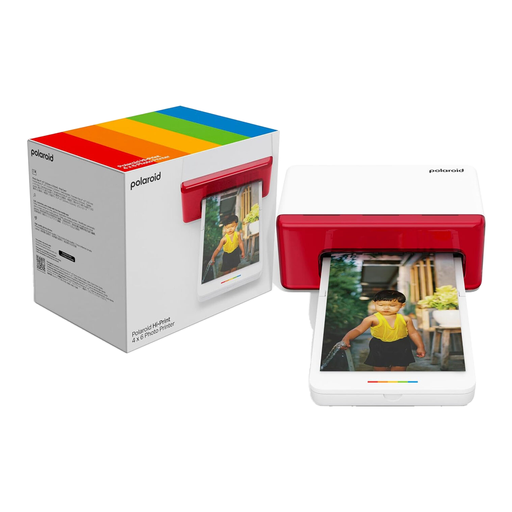 Image unavailable
Consider its 4 × 6 inch format for take-home prints where Bluetooth suits the devices at the print table. It uses a dedicated paper cartridge; check cartridge supply and how staff will manage access during shared sessions.
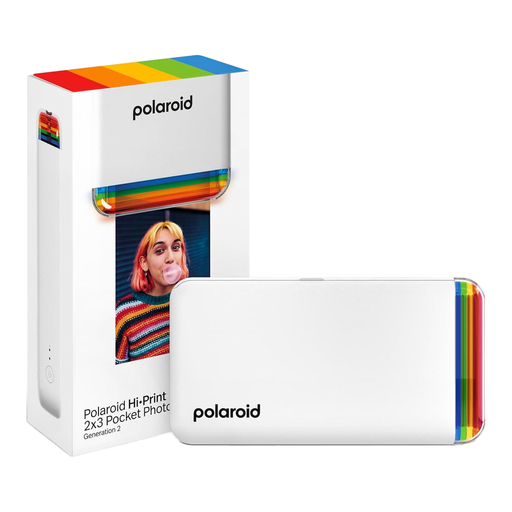 Image unavailable
Choose this format only if small 2 × 3 inch keepsakes fit the activity; it will not produce postcard-size handouts or display pages. Check the dedicated paper cartridges and the proposed shared-phone workflow.
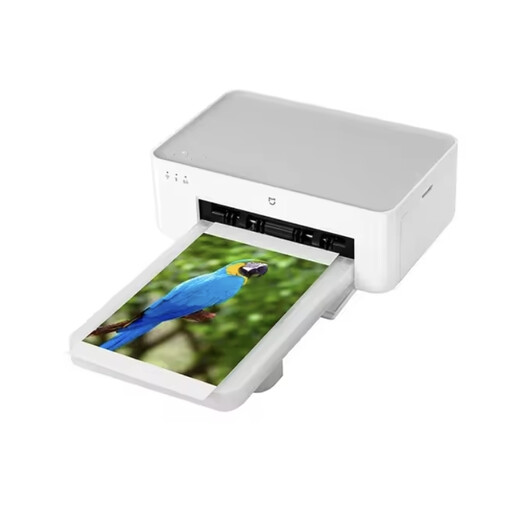 Image unavailable
Consider this portable printer for small keepsakes rather than postcard handouts or display work. Confirm that its paper format, replacement paper and phone-access arrangements fit the planned school activity.
Yes, if the printer is part of the school’s approved image-handling workflow. Decide who may connect, where photographs are kept and how they may be shared; a wireless connection alone does not settle those decisions.
Usually, yes: the Information Commissioner’s Office says a photograph from which someone can be recognised is usually their personal data. Follow the school’s data-protection advice on the appropriate basis for use, advance information and any applicable opt-out process.
Plan around the finished work: small handouts call for a compatible compact printer, A4 pages need A4 output, and larger displays need a printer supporting their intended size. Canon lists postcard-size and smaller output for the SELPHY CP1500 and up to A4 for the PIXMA G650; Epson lists A3+ output for the ET-8550 and ET-18100.
Use the organisation’s approved electrical-waste route rather than treating the printer as ordinary rubbish, and follow its asset and disposal procedures. GOV.UK describes the UK’s waste electrical and electronic equipment framework as intended to support recovery, reuse and recycling; the obligations described for businesses vary by their role.