Choose the print size to match the finished project: a compact printer suits separate small wildlife photos, while an A4 photo-capable all-in-one suits pages that combine images with written work and can also handle later school paperwork. Consider A3+ when a large display print is part of the assignment; it calls for larger paper and more workspace. Check permission to use each image separately from the printer choice.
Who each format suits
A4 project-page makers
If wildlife images need to share sheets with research, labels or maps, start with an A4 photo-capable printer. Copying and scanning may also be useful for school materials; Epson lists both functions for its A4 EcoTank ET-8500.
Large-display project makers
For a classroom board or poster built around large wildlife images, check whether the assignment calls for A3 or A3+ output. Epson lists A3+ output for the EcoTank ET-8550, while Canon lists it for the PIXMA PRO-200S.
Small-photo project makers
If the project needs a handful of separate finished photos rather than full printed pages, a postcard printer may be enough. Canon lists 100 x 148 mm prints for the SELPHY CP1500; captions and other written work would need their own place in the layout.
What to check before choosing
Compact postcard printer
Choose it when: The project needs separate 100 x 148 mm wildlife photos, not a full printed report page.
Accept: The postcard format cannot produce an A4 page or an A3 display image; check the matching photo-media pack too.
A4 photo-capable all-in-one
Choose it when: Images and written work need to share A4 pages, especially if copying, scanning or later household printing matters.
Accept: A4 output will not make a single-piece A3+ display print.
A3+ photo printer
Choose it when: Large wildlife images are central to a confirmed poster or classroom display.
Accept: Larger paper and workspace are part of this route, even if most school pages are A4.
| Concern |
What to check |
Who this matters to |
| Image size and layout |
Check the required finished page or display size, then confirm the printer supports that paper and photo format. |
When a wildlife image must sit beside captions and research, I need the print to fit the planned layout. Around 42% of consumers would put size and layout first. |
| Repeat use and supplies |
Check whether copying and scanning are needed, and which ink and paper the printer uses. |
If the printer will also handle later school documents, I need it to do more than produce this project's photos. Roughly 33% of consumers would make continuing use and supplies their primary concern. |
| Compact photo printing |
Confirm the largest print size and how the device receives photos; check the required media pack. |
For a small board of separate pictures, I would rather make finished photos than set up a full-page printer. About 25% of consumers would prioritise that compact-photo need. |
Common buying mistakes
-
Choosing postcard output for a full A4 assignment
Canon lists the SELPHY CP1500 for postcard-size photos of 100 x 148 mm. It cannot print an image-and-text A4 project page in one piece.
Sketch where photos, captions and research will go before choosing the printer format.
Separate written pages may require access to another printer.
-
Forgetting the photo media
A compact photo printer needs media made for its print system. The number of usable project photos can also change if you need test prints.
Check the exact compatible ink-and-paper or photo-paper pack and plan for the number of images you intend to print.
-
Choosing A3+ without a large-display requirement
A3+ output addresses a different layout need from an ordinary A4 hand-in; the larger format does not by itself improve the fit of an A4 report.
Confirm the teacher's required display size and where the printer will be used before choosing A3+.
-
Assuming any online wildlife image can be reused
An educational project does not automatically clear every image for printing or sharing. The permitted use can depend on the image licence, the school's arrangements and how the work will be shown.
Use your own image, a suitably licensed image or one cleared by the school, and follow any acknowledgement requirements.
Brands to consider
Epson
Epson's EcoTank ET-8500 and ET-8550 are photo-focused ink-tank all-in-ones for households that also need documents, copying and scanning.
- Epson lists the ET-8500 for A4 output and the ET-8550 for A3+ output; both use a six-colour ink system.
- Choose between them by the project's actual print size: the ET-8500 does not provide A3+ output.
Canon
Canon has distinct options for separate postcard photos and large dedicated photo prints.
- Canon lists 100 x 148 mm prints for the compact SELPHY CP1500 and A3+ output for the PIXMA PRO-200S.
- The SELPHY format cannot replace an A4 school-page printer; the PIXMA PRO-200S is a dedicated photo-printer route rather than a copying and scanning all-in-one.
Fujifilm instax
The instax Link WIDE is relevant to small, instant-film-style display elements rather than conventional report pages.
- Fujifilm gives instax WIDE film dimensions of 108 x 85 mm, with a 99 x 62 mm image area.
- That image area cannot serve as an A4 page or an A3 project display print.
Joybuy choices for separate photos
These compact printers are choices for separate wildlife pictures or small display elements. For a project built as full A4 pages or an A3+ poster, choose the required page format before considering a compact photo printer.
 No image available
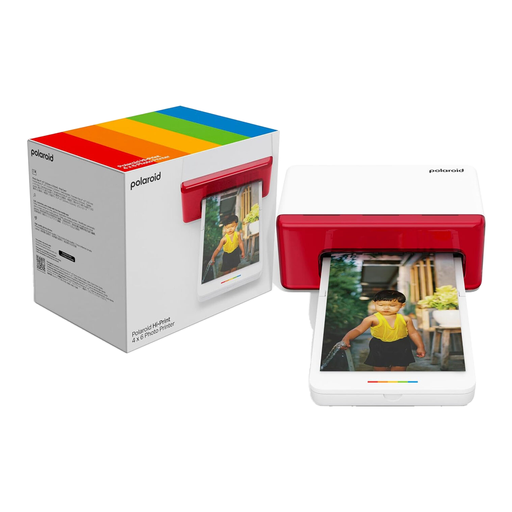
Polaroid Hi-Print 4x6 Bluetooth Photo Printer – White
Consider this for separate project photos when 4 x 6 in output fits the layout, rather than for full A4 pages. Check which Hi-Print 4x6 cartridges the planned photos require.
View on Joybuy
 No image available
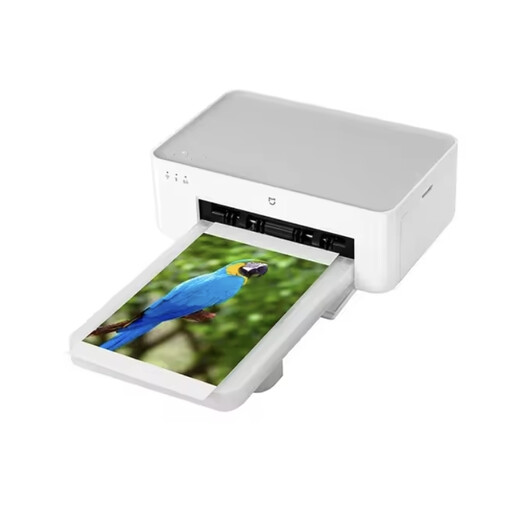
Xiaomi Portable Photo Printer 1S (Zero-Ink)
Consider this for a small visual element rather than a full project page. Check the intended print size, compatible ZINK paper and phone-app compatibility before choosing it.
View on Joybuy
 No image available
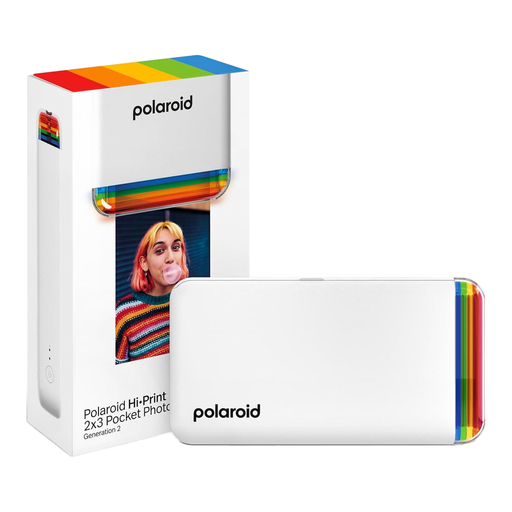
Polaroid Hi-Print 2x3 Printer Gen 2 – White
Consider its 2 x 3 in format for a small image added to a display, not for a postcard-size photograph or an A4 report page. Check the matching Hi-Print 2x3 cartridges for the number of prints planned.
View on Joybuy
Questions about project printing
Which photo size should I choose for a school wildlife project?
Choose A4 when wildlife images must share pages with titles, facts or captions; choose postcard size for separate photos, or A3+ for a confirmed large display. Plan the finished layout before choosing a printer, because a compact photo print cannot become a full A4 page in one print.
Can a pupil print any wildlife image found online for a school project?
No: being used for school does not automatically make every online image available for printing or sharing. Department for Education guidance describes copyright licences for state-funded schools in England, but whether an image and its intended use are covered needs to be checked. Confirm the image licence or creator's permission, any acknowledgement requirement and the school's instructions before using it.


