Small-desk snapshot printers
You mainly want postcard-size woodland keepsakes from a phone, camera or computer, and need to put the printer away when the desk is used for something else.


Choose a compact photo printer if you mainly want small woodland keepsakes and need to clear the shared desk between print jobs. An A4 photo inkjet makes more sense when larger prints and a choice of photo paper matter; consider A3 only if you intend to make prints that size and have room to load and collect them. Check the finished print size, consumables and connections before choosing a model.
You mainly want postcard-size woodland keepsakes from a phone, camera or computer, and need to put the printer away when the desk is used for something else.
You want to choose photo paper and work on the colour and shadow detail of larger woodland prints. You can make room for an A4 printer, its paper path and its consumables.
You intend to frame or display woodland photographs at A3 size and can accommodate the extra room needed to handle larger sheets at a shared desk.
Choose it when: small keepsakes are enough and the printer needs to be moved off the desk.
Accept: a compact model’s supported print sizes may rule out A4 or A3 displays.
Choose it when: you want A4 woodland prints and more choice over photo paper.
Accept: paper handling and multiple inks need more space and attention than a small-print-only setup.
Choose it when: you intend to make A3 woodland prints for display.
Accept: loading and collecting larger sheets can be awkward where the desk must also serve other purposes.
| Concern | What to check | Who this matters to |
|---|---|---|
| Colour and shadow control | Check the photo ink system, supported paper and options for making a test print; do not choose on resolution alone. | If I edit woodland photographs, I want to judge how greens and dark areas look on my chosen paper before making more prints. Around 42% of consumers put that control first. |
| Shared-desk space and connections | Allow for the paper path as well as the printer body, and match its connections to the devices people will use. | When work equipment also needs the desk, I want a printer I can set up and put away without disrupting everyone else. This is the first concern for around 33% of consumers. |
| Print size and other tasks | Confirm the largest supported sheet and whether you also need copying, scanning or separate paper feeds. | I want to frame a larger woodland scene or use the same machine for documents, so a small snapshot alone will not do. Larger-format or multipurpose use comes first for around 25% of consumers. |
A compact printer can suit keepsakes without producing the larger sheet you had in mind. Canon specifies 100 × 148 mm postcard media for the SELPHY CP1500; Epson specifies A4 output for the XP-65 and up to A3 for the XP-970.
Decide on the largest finished woodland print you actually want before comparing connections or other features.
Trays and paper feeds need access while printing. Epson specifies multiple feeds for the XP-970, including a rear feed for media up to A3.
Measure where you will load paper and collect prints, as well as where the printer body will sit.
Paper and colour-management choices also affect the print you see. Epson’s photography guidance recommends considering these alongside the printer’s ink system.
Check supported photo paper and make a test print of a woodland image with important shadow and colour detail.
Compact photo systems can require model-specific media: Canon pairs SELPHY ink with compatible paper, while HP specifies Sprocket Studio cartridges and photo paper.
Confirm the correct replacement supplies before buying. If you later pass on or recycle a connected printer, Recycle Your Electricals advises removing cartridges and memory cards and restoring factory settings.
Canon’s SELPHY CP1500 represents the compact, postcard-size route for a desk that must be shared.
Epson’s Expression Photo models offer A4 and A3 routes when paper handling and larger woodland prints matter.
HP’s Sprocket Studio is a phone-led route to borderless 10 × 15 cm photos rather than larger sheets.
These choices span small photo prints and a model to consider if you want larger woodland displays. Match each printer’s finished print size, consumables and working space to your plans rather than treating them as interchangeable.
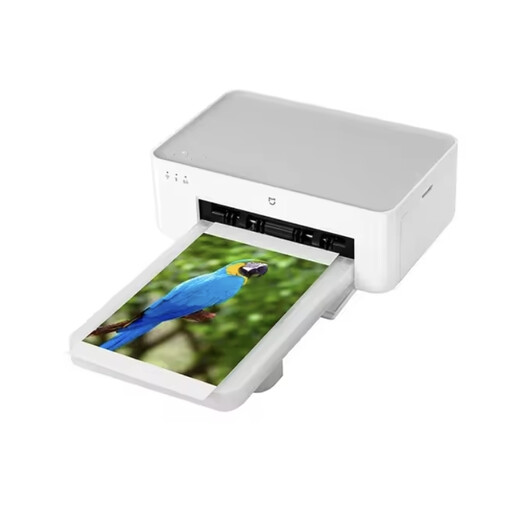 No image available
Consider this portable, zero-ink model for small keepsakes when the printer needs to leave the shared desk after use.
Check its finished photo size, compatible paper and app requirements before choosing it for woodland images.
 No image available
Consider the ET-18100 if larger woodland prints are your priority rather than a printer you can readily put away.
Confirm its supported photo-paper sizes and make room for loading and collecting sheets; check suitable paper and replacement inks for your planned use.
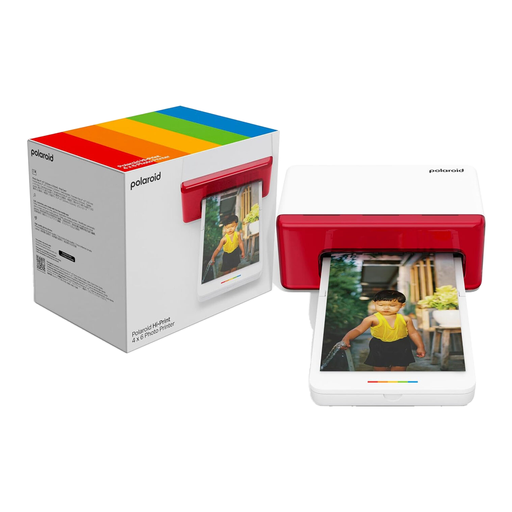 No image available
This Bluetooth model suits phone-led woodland keepsakes when a 4 × 6-inch print is large enough.
Its named format is not A4 or A3. Confirm compatible devices and the correct replacement paper cartridge before buying.
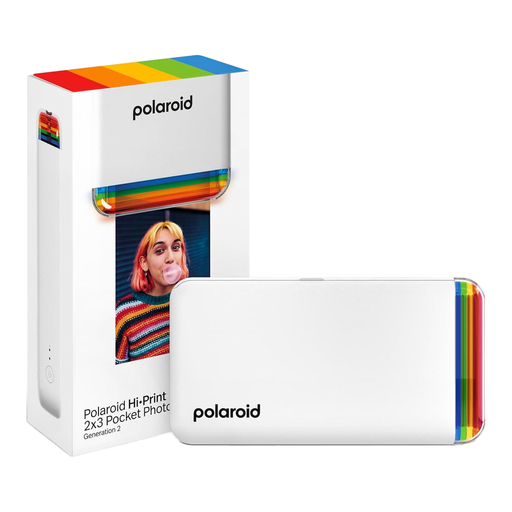 No image available
Consider this 2x3-labelled model for small phone-photo keepsakes rather than framed woodland prints.
Confirm the finished image dimensions and the correct replacement paper cartridge before choosing it.
A photo-focused printer is worth considering if choosing paper and adjusting how colour and shadows appear matters to you. Epson’s photography guidance discusses paper and colour management as part of that workflow; make a test print rather than assuming any printer will reproduce a particular image as you expect.
A compact print can be displayed, but check whether its finished size suits the space and frame you have in mind. Canon specifies 100 × 148 mm postcard media for the SELPHY CP1500; if you want an A4 or A3 sheet, choose a printer that explicitly supports that size.
Check the chosen model against every phone, computer or camera that will send it photos. Canon specifies Wi-Fi, USB-C and memory-card support for the SELPHY CP1500, while Epson specifies Wi-Fi, Wi-Fi Direct and Ethernet for the XP-65; those options should not be assumed for other models.
Check the exact paper and ink or cartridge system for the model you choose. Canon pairs SELPHY ink with compatible media, HP specifies Sprocket Studio cartridges and photo paper, and Epson specifies six individual inks for the XP-65.
Remove cartridges and memory cards, and restore factory settings if the printer may retain connection details. Recycle Your Electricals recommends these steps before taking an unwanted printer to a suitable reuse or electrical-recycling point.