Photographers reviewing work between visits
A compact tablet can provide a place to review, rate, label and lightly edit a working batch while travelling, without making it the main workstation.


Choose an iPad or Android tablet if your work between visits is mainly importing, reviewing, organising and lightly editing photos in mobile apps. Choose a Windows 2-in-1 when an essential desktop application or plug-in must travel with you; whichever route you take, check the complete import and backup workflow before deciding on storage capacity. If the archive contains client personal information, plan device access controls and encryption before loading it.
A compact tablet can provide a place to review, rate, label and lightly edit a working batch while travelling, without making it the main workstation.
If the working collection changes frequently, the choice depends on how files enter the tablet, where they are kept and how a separate copy is maintained. Removable or external storage may be part of that plan.
When a named Windows application, desktop plug-in or laptop-style workspace is essential between appointments, a Windows 2-in-1 deserves consideration alongside mobile tablets.
Start with the software and the path from camera to working files, then choose a screen and storage plan you can comfortably carry between visits. These concerns divide consumers by the need they would put first.
| Concern | What to check | Who this matters to |
|---|---|---|
| Import and working capacity | Check your camera-to-app connection and the space needed for active files. Plan a separate backup; for removable storage, confirm the exact card and device combination. | When I transfer photos between visits, I need room for the current batch and a reliable way to keep another copy. Around 33% of consumers would put import and working capacity first. |
| Carry comfort and screen | Compare the exact model’s size and weight with the space you need for reviewing images and metadata, including any accessories you will carry. | If I review photos while travelling, I want a screen I can work on without carrying more device than I need. Portability would be the primary concern for around 25% of consumers. |
| Software compatibility | Check your named photo app, camera files, catalogue, plug-ins and export steps on the chosen operating system and configuration. | I cannot leave an essential desktop task until I return to my main computer. Around 25% of consumers would prioritise continuity with their software workflow. |
| Client-file protection | If files contain personal information, check device access controls, encryption and the protection of connected storage against your organisation’s procedures. | When I carry client images, I need to control access to them if the tablet or storage is lost. Protection would come first for around 17% of consumers. |
A tablet is of limited use for archive work if the camera files cannot reach the chosen app and working destination. Adobe documents direct import to Lightroom on iOS from camera cards, cameras and USB storage, but the connected equipment still matters.
Map one complete batch before ordering: camera or card, reader and cable, app, working destination, separate backup and final export.
Your setup may also call for a card reader, compatible cable or external storage.
Encryption helps protect information if a device is lost, but it does not create a second copy of the photos. The Information Commissioner’s Office advises enabling storage encryption on tablets that store personal information.
Arrange a separate backup and appropriate access controls before importing client material; assess removable media against the sensitivity of the files.
Samsung says the Galaxy Tab S10 FE package does not include a travel adapter. A camera-import setup may also require a reader or cable suited to your equipment.
Check the contents of the exact variant and account for any charger, keyboard, reader or storage your workflow requires.
Adobe supports RAW import and editing in Lightroom on iPad and Android for Creative Cloud members. That does not establish that a particular desktop plug-in, catalogue or hand-off procedure will work on a mobile device.
Verify each essential application and export step on the operating system and hardware you intend to buy.
The 11-inch iPad Air (M4) illustrates an iPadOS route for mobile review and photo organisation. Apple lists 128GB, 256GB, 512GB and 1TB configurations.
The 10.9-inch Galaxy Tab S10 FE illustrates an Android route where removable local storage matters. Samsung states support for compatible microSD cards up to 2TB.
The 13-inch Surface Pro illustrates a Windows 2-in-1 route for people who need a larger, laptop-style workspace between visits.
These iPad and Android models relate to reviewing and organising a working photo archive in mobile apps. Compare their stated storage and screen configurations with your import, backup and carry plans; a Windows-dependent workflow calls for a separate device decision.
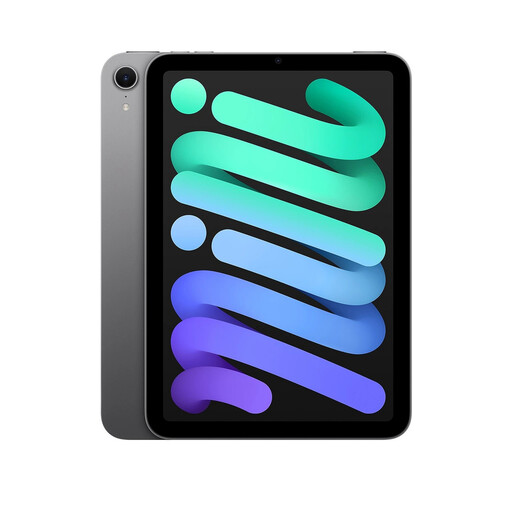 No image available
Consider this iPad if you want to keep a 512GB working collection on a mobile device. Adobe supports RAW import and editing in Lightroom on iPad for Creative Cloud members; check your camera connection and arrange a separate backup.
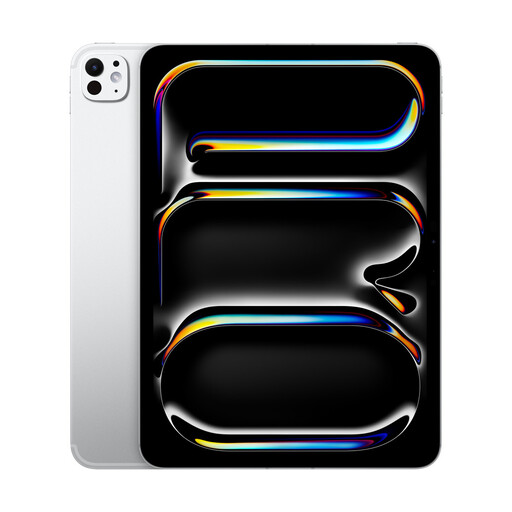 No image available
The 11-inch, 256GB Wi-Fi configuration is an option for reviewing a selected working batch between visits. Check that its capacity, your import accessories and your backup destination fit the files you actually carry.
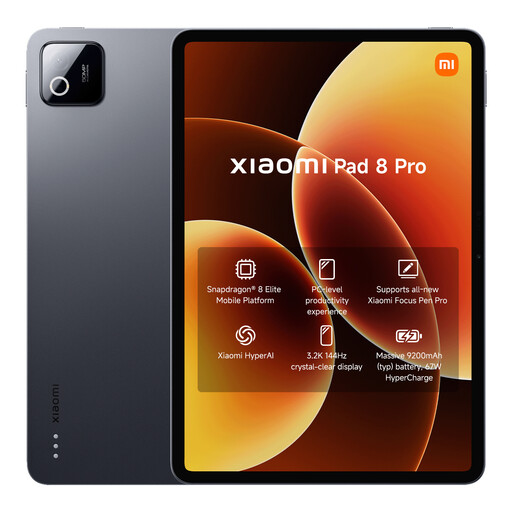 No image available
The stated 512GB storage makes this Android tablet worth considering if you carry a sizeable working batch. Adobe supports Lightroom RAW import and editing on Android for Creative Cloud members; confirm your camera files, reader and chosen app together.
 No image available
Consider this Android model if its listed storage-expansion option fits your archive plan. The title specifies an 11-inch FHD+ display, 256GB internal storage and expansion up to 2TB; confirm the compatible card, import setup and separate backup before relying on that expansion.
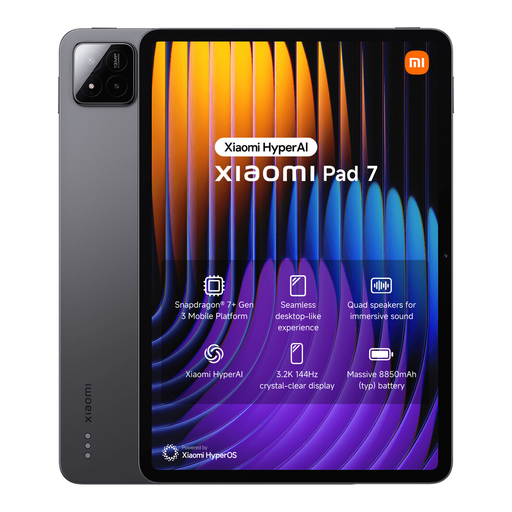 No image available
This Android configuration is worth checking if a 128GB working space suits the batch you carry and you want the listed Focus Pen. Confirm how you will import files and move completed work to a separate backup.
Choose capacity around the files you will keep available between visits, not your entire archive by default. Check your current library, RAW and JPEG mix, typical import batch and space needed by your apps, then decide when files move to a separate backup. Apple lists the 11-inch iPad Air (M4) from 128GB to 1TB; Samsung states that the Galaxy Tab S10 FE supports compatible microSD cards up to 2TB.
Yes, for a compatible mobile workflow: Adobe says Creative Cloud members can import and edit RAW camera files in Lightroom on iPad and Android. Adobe also documents direct import to Lightroom on iOS from camera cards, cameras and USB storage. Check your particular camera files, reader, cable and destination before buying.
Include security in the device and storage decision before transferring those files. The UK Information Commissioner’s Office advises appropriate technical and organisational measures for personal information, including enabling storage encryption on tablets that hold it. Use access controls and a separate backup, and follow the procedures applicable to your client data and organisation.
It can cover your between-visit tasks if every essential photo application, plug-in, storage device and export step works on the exact Windows configuration you choose. A Surface Pro offers a 2-in-1 form factor, but its tablet shape alone does not establish compatibility with your desktop workflow.
Check the camera card reader or connection cable, backup storage, any keyboard needed for metadata entry and the charger supplied with the exact variant. Samsung says the Galaxy Tab S10 FE package includes an S Pen and USB-C data cable but no travel adapter; do not assume another tablet has the same box contents.